अपनी कला बेचें
विशलिस्ट शॉपिंग कार्ट Cart
x
पूर्वावलोकन देखेंपूर्वावलोकन देखें AR में देखेंAR में देखें हाथ से बनी पेंटिंग खरीदें हाथ से बनी पेंटिंग खरीदेंछवि खरीदें छवि खरीदें साझा करेंसाझा करें
विस्तृत विवरणविस्तृत विवरण पसंदीदा में जोड़ें पसंदीदा में जोड़ें डाउनलोड करेंडाउनलोड करें समान कलाकृतियाँसमान कलाकृतियाँ एक्स-रेएक्स-रे स्लाइड शो देखेंस्लाइड शो देखें

mad boy

Explore Michelangelo’s ‘The Cumaean Sibyl’! A stunning Renaissance fresco analysis – technique, symbolism & cultural context of this iconic masterpiece.

पुनर्जागरण के महान कलाकार माइकल एंजेलो (1475-1564) की कलाकृतियों का अन्वेषण करें! डेविड और पियाटा जैसे अद्भुत मूर्तियों, सिस्टिन चैपल के भित्तिचित्रों से लेकर, उनकी कलात्मक विरासत को जानें।

गिक्ली / आर्ट प्रिंट

तेज़ उत्पादन और विभिन्न फिनिश विकल्पों के साथ म्यूजियम-क्वालिटी गिकली (giclée) या कैनवस प्रिंट। (हाथ से बनी पेंटिंग खरीदें हाथ से बनी पेंटिंग खरीदेंछवि खरीदें छवि खरीदें)

P118B $10
P118H $10
P118W $10
P438Z $10
P508JH $12
P508YH $12
P805H $10
P805Z $10
P919BZ $10
P919G $10
P919XJ $10
P959ZH $10
P968JZ $12
W106C $8
W218G $10
W218JH $8
W218Y $10
W307PJ $10
W316G $10
W316PJ $8
W316Y $10
W398PJ $8
W4111J $10
W500HY $15
W500JH $15
W692G $12
W849H $8
W940BG $15
W953PJ $8

Standard
custom
CM
INCH

कलाकृति के मूल अनुपात से मेल खाने वाले हमारे पूर्व निर्धारित आकारों में से चुनें।

चौड़ाई
ऊँचाई

आप किसी विशिष्ट फ्रेम या स्थान के अनुसार अपने स्वयं के आयाम (dimensions) दर्ज कर सकते हैं। यदि आपके द्वारा चुना गया आकार मूल छवि के अनुपात से मेल नहीं खाता है, तो हम कलाकृति को क्रॉप कर देंगे या मिरर किए गए या सॉलिड-फिल किनारे के साथ छवि का विस्तार करेंगे। उत्पादन शुरू होने से पहले आपकी स्वीकृति के लिए एक डिजिटल मॉकअप भेजा जाएगा।
कृपया ध्यान दें कि स्क्रीन पर दिखने वाला प्रीव्यू वास्तविक क्रॉपिंग या विस्तार को नहीं दर्शाता है। केवल मॉकअप ही अंतिम संरचना को सटीक रूप से दिखाएगा।
हालाँकि कस्टम आकार उपलब्ध हैं, फिर भी हम मूल अनुपात बनाए रखने के लिए पूर्व-निर्धारित सूची में से एक आयाम चुनने की सलाह देते हैं।

विश्वव्यापी डिलीवरी (), मानक 4/5 सप्ताह के बजाय मात्र 2 सप्ताह में। (19 अगस्त)

why_choose_icon
दुनिया भर में मुफ़्त एक्सप्रेस शिपिंग
why_choose_icon
उच्च गुणवत्ता वाला लिनेन कैनवास
why_choose_icon
पूर्ण शिपिंग बीमा
why_choose_icon
सीमा शुल्क और आयात कर वापसी की गारंटी
why_choose_icon
सटीक रंग मिलान की गारंटी
why_choose_icon
60-दिन की वापसी नीति (केवल दोषों के लिए)
why_choose_icon
100% पैसे वापसी की गारंटी
why_choose_icon
थोक छूट का लाभ

कुल कीमत

$ 68

reproduction

mad boy

गिक्ली / आर्ट प्रिंट

प्रतिकृति का आकार

-

कुल देय राशि

$ 68

प्रमुख विशेषताएँ

  • Movement: High Renaissance
  • Subject or theme: Sibyl & Boy
  • Artistic style: Renaissance
  • Influences: Classical
  • Title: Mad Boy
  • Medium: Fresco

कला प्रश्नोत्तरी

प्रत्येक प्रश्न का केवल एक ही सही उत्तर है।

प्रश्न 1:
What is the primary subject of Michelangelo’s ‘The Cumaean Sibyl’?
प्रश्न 2:
The fresco ‘The Cumaean Sibyl’ is located in which famous location?
प्रश्न 3:
Which artistic movement does ‘The Cumaean Sibyl’ primarily exemplify?
प्रश्न 4:
What is a key characteristic of Michelangelo's style as demonstrated in this work?
प्रश्न 5:
The composition of ‘The Cumaean Sibyl’ is characterized by what visual element?

संग्रहणीय वस्तु का विवरण

Michelangelo’s “Mad Boy”: A Renaissance Echo of Wisdom and Wonder

Michelangelo Buonarroti's "Mad Boy," a digital reproduction of his seminal fresco, "The Cumaean Sibyl," is more than just a beautiful image; it’s a window into the heart of the High Renaissance. Painted between 1506 and 1508 for the Villa Farnesina in Rome, this work embodies the era's profound fascination with classical antiquity, humanism, and the divine—all filtered through Michelangelo’s unparalleled artistic vision. The original fresco depicts the Sibyl, a legendary prophetess of ancient Greece, seated at a table, intently studying a scroll while a young boy gazes upon her with rapt attention. This seemingly simple composition is laden with symbolic weight, inviting viewers to contemplate themes of prophecy, knowledge, and the relationship between generations.

Technically, Michelangelo masterfully employed *sfumato*, a technique perfected during his apprenticeship under Leonardo da Vinci, to create an atmosphere of hazy beauty and depth. The figures are rendered with meticulous anatomical detail—a hallmark of Renaissance art—yet softened by subtle gradations of tone that lend them an almost ethereal quality. Note the careful modeling of the Sibyl’s drapery, which cascades around her in graceful folds, and the boy's youthful energy captured through dynamic posture and expressive eyes. The dark background serves to heighten the contrast between the figures and draw the viewer’s attention to their interaction, creating a powerful focal point within the composition.

The Sibyl: A Symbol of Divine Inspiration

The central figure, the Cumaean Sibyl, is not merely a portrait but a potent symbol. In Greek mythology, Sibylla was a priestess who possessed the gift of prophecy and delivered oracles to kings and heroes. Michelangelo’s depiction aligns with this traditional understanding, portraying her as an embodiment of divine inspiration—a conduit between the earthly realm and the realms of knowledge and foresight. Her contemplative gaze suggests a deep connection to something beyond the visible world, while her gesture of examining the scroll represents the pursuit of wisdom and understanding.

The young boy beside her is equally significant. He embodies innocence, curiosity, and the potential for future generations to inherit the wisdom of the past. His attentive posture reflects his eagerness to learn from the Sibyl’s experience, highlighting the cyclical nature of knowledge—the passing down of traditions and insights across time. The juxtaposition of these two figures creates a dynamic tension between the established wisdom of the elder and the burgeoning intellect of youth.

Historical Context & Artistic Influences

“The Cumaean Sibyl” emerged during a period of immense artistic and intellectual ferment in Renaissance Italy. Michelangelo, deeply influenced by the rediscovery of classical Greek and Roman art and philosophy, sought to synthesize these influences with his own unique vision. The fresco’s composition echoes elements found in ancient Roman wall paintings, particularly those depicting mythological scenes. However, Michelangelo elevates these motifs through a heightened sense of realism, psychological depth, and dramatic intensity.

Furthermore, the work reflects the humanist ideals that characterized the Renaissance—a renewed emphasis on human potential, reason, and individual achievement. The Sibyl’s intellectual pursuits align with the humanist belief in the importance of education and the pursuit of knowledge. The fresco served as a commission for a wealthy Roman banker, Francesco del Monte, who was himself an ardent patron of the arts and a scholar deeply interested in classical learning.

Emotional Resonance & Modern Interpretation

Despite its historical context, “Mad Boy” continues to resonate with viewers today. The image evokes a sense of quiet contemplation, inviting us to reflect on our own pursuit of knowledge and understanding. The Sibyl’s intense gaze captures the timeless quality of wisdom—a desire for insight that transcends generations. The boy's curiosity mirrors our own innate thirst for discovery, reminding us of the importance of nurturing young minds and fostering a love of learning.

As a digital reproduction, this artwork retains a subtle, almost dreamlike quality, reminiscent of the original fresco’s *sfumato* technique. It offers a compelling opportunity to experience Michelangelo's genius in a new light—a testament to his enduring legacy as one of history’s greatest artists.


कलाकार का जीवन परिचय

महान कलाकार माइकल एंजेलो: पुनर्जागरण का प्रतीक

माइकल एंजेलो बुओनारोटी, एक ऐसा नाम जो उच्च पुनर्जागरण काल से जुड़ा हुआ है, सदियों से मानव कलात्मक क्षमता के प्रमाण के रूप में गूंजता रहा है। 6 मार्च, 1475 को कैप्रेसे मिचेलांजेलो में, टस्कनी की पहाड़ियों में बसे इटली में जन्मे, उनका जीवन प्रतिभा, महत्वाकांक्षा और दिव्य प्रेरणा का एक असाधारण संगम था। उनके पिता ने कला के मार्ग पर चलने से शुरू में प्रतिरोध किया था, लेकिन युवा माइकल एंजेलो की चित्रकला में स्वाभाविक प्रतिभा निर्विवाद थी, जिसने उन्हें मूर्तिकला, चित्रकला और वास्तुकला की सीमाओं को फिर से परिभाषित करने के लिए प्रेरित किया। डोमेनिको घिरलैंडियो के अधीन उनका प्रारंभिक प्रशिक्षण ने फ्रेस्को और रेखांकन में बुनियादी कौशल प्रदान किए, लेकिन मेडिसी उद्यानों में—प्राचीनता का एक स्वर्ग—उनकी कलात्मक आत्मा वास्तव में जागृत हुई। ग्रीक और रोमन मूर्तियों के अध्ययन में डूबे हुए, माइकल एंजेलो ने शरीर रचना विज्ञान, अनुपात और आदर्श सौंदर्य के सिद्धांतों को आत्मसात किया जो उनकी शैली की पहचान बन गए। यह प्रारंभिक काल केवल तकनीकी प्रशिक्षण नहीं था; यह पुनर्जागरण के दौरान पनप रहे मानवतावादी आदर्शों में एक दार्शनिक विसर्जन था—मानव गरिमा और क्षमता पर जोर जिसने गहराई से उनके कलात्मक दृष्टिकोण को आकार दिया।

पत्थर में दुःख: पिएता से डेविड की शक्ति तक

कला जगत में माइकल एंजेलो का उदय उल्लेखनीय रूप से तेज था। 1496 तक, वह रोम चले गए, जहाँ उन्हें अपना पहला प्रमुख कमीशन मिला: *पिएता* की मूर्ति। कार्डिनल जीन डी बिलियर्स के लिए 1499 में पूरा किया गया यह शानदार संगमरमर का उत्कृष्ट कृति तुरंत ही माइकल एंजेलो को बेजोड़ कौशल और भावनात्मक गहराई वाले एक मूर्तिकार के रूप में स्थापित कर दिया। मैरी के चेहरे में कैद शांत सुंदरता और मार्मिक दुःख क्रांतिकारी था, जो ठंडे पत्थर को गहन मानवीय भावना से भरने की क्षमता का प्रदर्शन करता था। यह प्रारंभिक सफलता ने उनके अगले स्मारकीय प्रयास, *डेविड* का मार्ग प्रशस्त किया। काराकारा संगमरमर के एक ही ब्लॉक से 1501 और 1504 के बीच तराशे गए, इस विशाल मूर्ति (ऊँचाई सत्रह फीट से अधिक) फ्लोरेंटाइन गणराज्य के आदर्शों का प्रतीक बन गया—शक्ति, साहस और नागरिक सद्गुण का एक निडर अवतार। *डेविड* की शारीरिक सटीकता, गतिशील मुद्रा और मनोवैज्ञानिक तीव्रता अभूतपूर्व थी, जिसने माइकल एंजेलो को पत्थर को जीवन में लाने में सक्षम एक मास्टर मूर्तिकार के रूप में अपनी प्रतिष्ठा को मजबूत किया। यह केवल पैमाने ही प्रभावशाली नहीं था; यह निहित ऊर्जा की स्पष्ट भावना, संगमरमर में जमा हुआ कार्रवाई का प्रत्याशा, जिसने तब और आज भी दर्शकों को मोहित कर लिया।

सिसटिन चैपल: एक दिव्य कैनवास

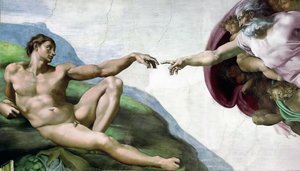
शायद माइकल एंजेलो की सबसे स्थायी विरासत सिसटिन चैपल की दीवारों के भीतर निहित है। 1508 में, पोप जूलियस द्वितीय ने उन्हें चैपल की छत को चित्रित करने का काम सौंपा—एक कार्य जो उनके जीवन के चार वर्षों का उपभोग करेगा और पश्चिमी कला के पाठ्यक्रम को हमेशा के लिए बदल देगा। शुरू में अनिच्छुक, उन्होंने खुद को मुख्य रूप से एक मूर्तिकार मानते हुए, माइकल एंजेलो ने फिर भी चुनौती स्वीकार कर ली, उत्पत्ति से दृश्यों को चित्रित करते हुए एक स्मारकीय भित्ति चित्र चक्र शुरू किया। कठिन परिस्थितियों में काम करते हुए, अक्सर घंटों तक अपनी पीठ पर लेटकर, उन्होंने आश्चर्यजनक विवरण और संरचनात्मक प्रतिभा के साथ 300 से अधिक आंकड़े चित्रित किए। चैपल की छत से *डेविड* का सबसे प्रतिष्ठित चित्र, ईश्वर और मानवता के बीच दिव्य चिंगारी को पकड़ता है—निर्माण और क्षमता का एक शक्तिशाली प्रतीक। इस प्रसिद्ध पैनल से परे, पूरा चक्र माइकल एंजेलो की कथा शक्ति, शरीर रचना विज्ञान में महारत और दृश्य कहानी कहने के माध्यम से जटिल धार्मिक अवधारणाओं को व्यक्त करने की क्षमता का प्रमाण है। साथ ही, उन्होंने पोप जूलियस द्वितीय की समाधि पर भी काम शुरू किया—एक महत्वाकांक्षी परियोजना जो अपने मूल भव्यता में अधूरी रहेगी, फिर भी *मोसेस* जैसे शक्तिशाली मूर्तियां पैदा करती है।

वास्तुकला, मैनरिज्म और एक स्थायी प्रभाव

अपने जीवन के बाद के वर्षों में, माइकल एंजेलो की प्रतिभा वास्तुकला तक फैली हुई थी। 1520 में, वह रोम में सेंट पीटर बेसिलिका के वास्तुकार बने, ब्रामांटे के मूल डिजाइन को अधिक प्रभावशाली और संरचनात्मक रूप से ठोस योजना के साथ महत्वपूर्ण रूप से बदल दिया। यह परिवर्तन मैनरिज्म की ओर एक बदलाव का संकेत देता है—एक शैली जो लम्बे रूपों, अतिरंजित मुद्राओं और नाटकीय रचनाओं द्वारा चिह्नित होती है। यह शैलीगत विकास *द लास्ट जजमेंट* में स्पष्ट रूप से दिखाई देता है, जिसे 1536 और 1541 के बीच सिसटिन चैपल की वेदी दीवार पर चित्रित किया गया था। भित्ति चित्र मसीहा की दूसरी आगमन को भारी नाटक और भावनात्मक तीव्रता की भावना के साथ दर्शाता है, जो एक अधिक अशांत आध्यात्मिक जलवायु को दर्शाता है। माइकल एंजेलो का प्रभाव अपने जीवनकाल से बहुत आगे तक फैला हुआ था। उन्होंने उच्च पुनर्जागरण और मैनरिज्म दोनों कला आंदोलनों को गहराई से प्रभावित किया, शरीर रचना विज्ञान की सटीकता, गतिशील रचनाओं और मानव स्थिति की गहन खोज के साथ पीढ़ियों के कलाकारों को प्रेरित किया।

समय में उकेरी गई विरासत

माइकल एंजेलो 18 फरवरी, 1564 को रोम में निधन हो गए, एक अभूतपूर्व कार्य छोड़ दिया जो आज भी दर्शकों को मोहित करता है और प्रेरित करता है। वह कला के इतिहास में एक विशाल व्यक्ति बने हुए हैं—एक सच्चा “पुनर्जागरण पुरुष”—उनकी मूर्तियां, चित्रकलाएं और वास्तुशिल्प डिजाइन ने सुंदरता, शक्ति और मानव क्षमता की हमारी समझ को आकार दिया है। उनकी विरासत केवल कलात्मक उपलब्धि की नहीं है; यह रचनात्मकता, समर्पण और पूर्णता के अथक पीछा करने की स्थायी शक्ति का प्रमाण है। उन्होंने प्रदर्शित किया कि कला मात्र प्रतिनिधित्व से परे जा सकती है, गहन आध्यात्मिक और भावनात्मक अभिव्यक्ति के लिए एक माध्यम बन सकती है। उनकी प्रतिभा की गूंज दुनिया भर के संग्रहालयों और चर्चों में प्रतिध्वनित होती रहती है, यह सुनिश्चित करती है कि माइकल एंजेलो बुओनारोटी को हमेशा महानतम कलाकारों में से एक के रूप में याद किया जाएगा जिन्होंने कभी जीवन जिया।
  • प्रभाव: शास्त्रीय प्राचीनता (ग्रीक और रोमन मूर्तिकला), पुनर्जागरण मानवतावाद, फ्लोरेंटाइन कलात्मक परंपरा (डोनाटेलो, मासाचियो)।
  • प्रमुख कार्य: *पिएता*, *डेविड*, सिसटिन चैपल छत भित्ति चित्र (*द क्रिएशन ऑफ एडम*), *द लास्ट जजमेंट*, जूलियस द्वितीय की समाधि।
  • कलात्मक शैली: शास्त्रीय आदर्शवाद, गतिशील और अभिव्यंजक मैनरिज्म की ओर विकसित।
मिखाइल एंजेलो

मिखाइल एंजेलो

1475 - 1564 , इटली

मुख्य तथ्य

  • Artistic Movement Or Style: उच्च पुनर्जागरण, मन्नरीज़्म
  • Artists Or Movements Influenced By This Artist:
    • उच्च पुनर्जागरण
    • मन्नरीज़्म
  • Artists Who Influenced This Artist:
    • डोनाटेलो
    • मासाचियो
  • Date Of Birth: 6 मार्च 1475
  • Date Of Death: 18 फरवरी 1564
  • Full Name: मिगेल एंजेलो बुओनारोटी
  • Nationality: इतालवी
  • Notable Artworks:
    • पिएता
    • डेविड
    • सिस्टिन चैपल भित्तिचित्र
  • Place Of Birth: कैप्रेसे मिचेलांजेलो, इटली
विषयों, शैलियों और विशेषताओं के आधार पर व्यवस्थित कलाकृतियों का अन्वेषण करें।