x

Giclée tisak muzejske kvalitete ili otisak na platnu uz brzu proizvodnju i fleksibilne opcije završne obrade. ( Kupi ručno naslikanu sliku Kupi digitalnu sliku)





























Odaberite jednu od naših unaprijed definiranih veličina koje odgovaraju izvornim proporcijama umjetničkog djela.

Možete unijeti vlastite dimenzije kako biste umjetničko djelo prilagodili specifičnom okviru ili prostoru. Ako odabrana veličina ne odgovara proporcijama izvornog rada, izrezat ćemo dio slike ili je proširiti pomoću ogledalnog efekta ili jednobojne rubne površine. Digitalni prikaz (mockup) bit će vam poslan na odobrenje prije početka proizvodnje.
Imajte na umu da pregled na zaslonu ne odražava stvarno izrezivanje ili proširivanje. Samo će mockup točno prikazati konačnu kompoziciju.
Iako su dostupne prilagođene veličine, preporučujemo odabir dimenzije iz unaprijed definirane liste kako biste očuvali izvorne proporcije.
Dostava širom svijeta () u roku od 2 tjedna umjesto standardnih 4/5 tjedana. (20 Kolovoz)


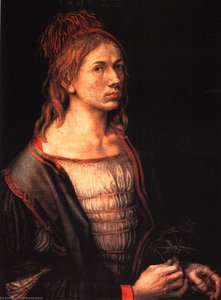
Hercules
Veličina reprodukcije
In the annals of the Northern Renaissance, few images command the eye with such immediate, visceral intensity as Albrecht Dürer’s "Hercules." Created in 1496, this masterful woodcut is far more than a mere illustration of Greek myth; it is a profound testament to the burgeoning artistic spirit of the German Renaissance. At first glance, the viewer is struck by a sense of monumental struggle and kinetic energy. Dürer does not simply depict a hero; he captures a moment of profound tension where muscle, shadow, and myth collide. The composition is anchored by a striking diagonal movement that sweeps from the lower left toward the upper right, guiding the observer through a densely populated landscape of action and drama. This deliberate arrangement mirrors the very essence of the heroic epic—a journey fraught with peril and relentless momentum.
The true genius of this work lies in Dürer’s unparalleled command over the woodcut medium. While many contemporary prints relied on simple outlines, Dürer pushed the boundaries of what could be achieved through carving into pear or boxwood. Through the sophisticated use of cross-hatching—the meticulous layering of intersecting lines—he achieves a breathtaking range of tonal variation. This technique allows for a sculptural quality that breathes life into the hero’s physique, creating deep, velvety shadows and brilliant highlights that suggest weight, volume, and anatomical precision. The resulting texture is palpable; there is a subtle, grainy rhythm to the print that speaks to the physical labor of the artist's craft, offering a tactile richness that makes the monochrome palette feel incredibly deep and multidimensional.
Beyond its technical brilliance, "Hercules" serves as a complex narrative vessel. While the subject matter draws from the legendary labors of the Greek hero, the interpretation of the scene invites profound psychological reflection. Some scholars suggest the work captures the hero’s confrontation with the Hydra, yet others find traces of a more tragic human drama—a moment of madness or moral crossroads. The presence of secondary figures and the stylized, detailed cityscape in the background create a world that feels both epic and intimately grounded. Dürer utilizes atmospheric perspective to suggest vastness, making the distant architecture appear lighter and more ethereal, which serves to heighten the immediate, heavy presence of the central figure.
For the discerning collector or interior designer, this piece offers a unique opportunity to introduce a sense of historical gravity and intellectual depth into a space. The stark, monochromatic elegance of the woodcut style allows it to integrate seamlessly into diverse aesthetic environments, from the minimalist modern gallery look to the richly textured atmosphere of a classical study. It is an artwork that does not merely decorate a wall; it anchors a room with its themes of resilience, strength, and the eternal struggle between chaos and order. Owning a high-quality reproduction of this masterpiece means possessing a fragment of the Renaissance soul—a window into a time when art first began to masterfully bridge the gap between the divine myth and the human experience.


1471 - 1528 , Italija

Explore the profound history and technical mastery of woodcut relief printing. From ancient origins to German Expressionism, discover how artists use the subtractive process to create iconic works. A definitive guide for art students, collectors, and historians.

Explore the profound mastery of Northern Renaissance art. Discover the technical brilliance of Flemish oil painting, the intricate symbolism of Bosch and Bruegel, and the revolutionary realism that redefined European art history through an expert historical lens.


Budite u tijeku s najnovijim umjetničkim vijestima, ekskluzivnim ponudama i idejama za dekoraciju.
Recite nam nešto o svom projektu, a naši će stručnjaci za umjetnost pripremiti 3 personalizirana prijedloga umjetnina.
Dopustite nam da odaberemo 3 opcije samo za Vas – Besplatno!


 Pregledaj u stvarnoj veličini
 Pošalji
 Podijeli
 Detalji o umjetničkom djelu

 Preuzmi
 Slični predmeti
 Rentgenska snimka
 Automatska prezentacija


 Prikaži više







 Opcija stakla dostupna je samo za dimenzije manje od 110 cm