


x

 Contemporary Realism
 1991Contemporary
 41.0 x 51.0 cm
 Lithuanian Art Centre TARTLE
Giclée tisak muzejske kvalitete ili otisak na platnu uz brzu proizvodnju i fleksibilne opcije završne obrade. ( Kupi ručno naslikanu sliku Kupi digitalnu sliku)





























Odaberite jednu od naših unaprijed definiranih veličina koje odgovaraju izvornim proporcijama umjetničkog djela.

Možete unijeti vlastite dimenzije kako biste umjetničko djelo prilagodili specifičnom okviru ili prostoru. Ako odabrana veličina ne odgovara proporcijama izvornog rada, izrezat ćemo dio slike ili je proširiti pomoću ogledalnog efekta ili jednobojne rubne površine. Digitalni prikaz (mockup) bit će vam poslan na odobrenje prije početka proizvodnje.
Imajte na umu da pregled na zaslonu ne odražava stvarno izrezivanje ili proširivanje. Samo će mockup točno prikazati konačnu kompoziciju.
Iako su dostupne prilagođene veličine, preporučujemo odabir dimenzije iz unaprijed definirane liste kako biste očuvali izvorne proporcije.
Dostava širom svijeta () u roku od 2 tjedna umjesto standardnih 4/5 tjedana. (15 Kolovoz)


Two Quinces
Veličina reprodukcije
In the vast landscape of late twentieth-century Lithuanian art, few works capture the profound beauty of the mundane as intimately as Algimantas Švėgžda’s Two Quinces. Created in 1991, a period of immense transition and reflection, this still life serves as a masterclass in minimalist observation. At first glance, the composition appears deceptively simple: two ripe fruits resting against an ethereal, neutral backdrop. Yet, beneath this surface lies a sophisticated dialogue between light, form, and color. Švėgžda invites the viewer into a meditative space where the distractions of the modern world fall away, leaving only the tactile presence of nature’s bounty.
The technique employed in this piece reflects the artist's unique ability to blend elements of Pop Art clarity with a delicate, almost pointillist sensitivity. The vibrant, warm hues of the quinces—ranging from deep golds to soft ochres—create a striking visual tension against the stark, clean white background. This deliberate use of negative space is not merely an absence of subject, but a structural element that pushes the fruit forward, making the textures feel almost palpable. One can almost sense the weight and the slightly textured skin of the fruit, a testament to Švėgžda’s mastery over light and shadow.
Beyond its aesthetic appeal, Two Quinces carries a deeper emotional resonance rooted in the artist's biography. Growing up in Kelmė, shaped by a father who understood the theatricality of scenery and a mother who valued the precision of teaching, Švėgžda developed an eye for the essential. The quince, often a symbol of fertility, longevity, and the sweetness of life, acts here as a vessel for memory and permanence. In a world characterized by rapid socio-political change, this painting offers a sanctuary of stillness. The placement of the two fruits—one slightly elevated above the other—creates a subtle rhythmic movement that guides the eye in a gentle loop, mirroring the cyclical nature of life and the seasons.
For the discerning collector or interior designer, this artwork represents more than just a decorative element; it is an anchor of tranquility. The painting’s ability to harmonize with diverse environments makes it a versatile choice for modern, minimalist, or classical interiors alike. Whether placed in a sun-drenched breakfast nook or a sophisticated gallery-style living room, the piece brings a sense of organic warmth and intellectual depth. It serves as a reminder that true elegance is often found in the most understated moments, making this reproduction an exquisite investment for those who seek to surround themselves with art that speaks of quiet strength and timeless beauty.


1941 - 1996 , Lithuania

Explore 10 iconic white paintings by Monet, Whistler & Rothko! Discover the stories behind these serene masterpieces and their impact on art history. Find museum-quality reproductions for your home decor at .

Explore the rich history of still life painting & the symbolism of fruit across art movements. Discover masterpieces from Caravaggio to Cézanne with Most-Famous-Paintings – expert guidance & museum-quality reproductions.
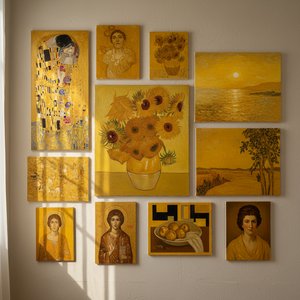
Explore 10 iconic paintings bathed in golden yellow ochre! From Van Gogh's sunflowers to Monet’s haystacks, discover the stories behind these masterpieces. Find museum-quality art reproductions & elevate your home decor on .
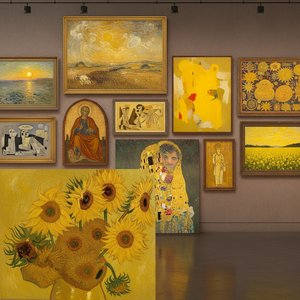
Immerse yourself in golden light! Explore 10 famous paintings dominated by 'Chrome Yellow', from Van Gogh’s Sunflowers to Monet's Haystacks. Discover the stories behind these iconic Impressionist & Post-Impressionist masterpieces and find museum-quality art reproductions at Most-Famous-Paintings.com.
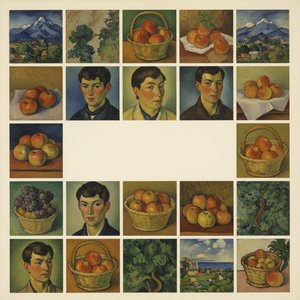
Uronite u svijet Paula Cézanna! Otkrijte 25 remek-djela impresionizma i postimpresionizma. Saznajte priče iza slika, tehnike i inspiracije ovog francuskog umjetnika. Reprodukcije vrhunske kvalitete dostupne na Most-Famous-Paintings.com


Budite u tijeku s najnovijim umjetničkim vijestima, ekskluzivnim ponudama i idejama za dekoraciju.
Recite nam nešto o svom projektu, a naši će stručnjaci za umjetnost pripremiti 3 personalizirana prijedloga umjetnina.
Dopustite nam da odaberemo 3 opcije samo za Vas – Besplatno!


 Pregledaj u stvarnoj veličini
 Pošalji
 Podijeli
 Detalji o umjetničkom djelu

 Preuzmi
 Slični predmeti
 Rentgenska snimka
 Automatska prezentacija
 Prikaži više







 Opcija stakla dostupna je samo za dimenzije manje od 110 cm


