


x

Ručno oslikano uljanim bojama na platnu u dimenzijama i okviru po vašem izboru, izrađeno po narudžbi od strane naših umjetnika. ( Switch to Print Switch to Image)





























Odaberite jednu od naših unaprijed definiranih veličina koje odgovaraju izvornim proporcijama umjetničkog djela.

Možete unijeti vlastite dimenzije kako bi odgovarale određenom okviru ili prostoru. Ako odabrana veličina ne odgovara proporcijama izvorne slike, izrezat ćemo umjetničko djelo ili proširiti sliku dodatnim ručno oslikanim elementima. Digitalni nacrt bit će vam poslan na odobrenje prije početka proizvodnje.
Imajte na umu da pregled na ekranu ne prikazuje stvarno izrezivanje ili proširivanje. Samo će nacrt točno prikazati konačni sastav.
Iako su dostupne prilagođene veličine, preporučujemo odabir dimenzije s preddefiniranog popisa kako bismo očuvali izvorne proporcije.
Isporuka širom svijeta () u roku od 3-4 tjedna umjesto standardnih 5 tjedana. (30 Srpanj). Bez kompromisa u kvaliteti.


(45)
Veličina reprodukcije
Alphonse Maria Mucha (1860 – 1939), born in Ivanačice, Moravia, stands as a towering figure within the Art Nouveau movement—a stylistic revolution that swept across Europe between 1890 and 1910. Rejecting academic conventions, Mucha forged his own path toward an aesthetic rooted in organic forms, flowing lines, and meticulous ornamentation, establishing himself as arguably the most prolific and influential illustrator of his era.
Early Life and Artistic Aspirations
From a young age, Mucha demonstrated exceptional artistic talent. Despite facing challenges securing acceptance into the Academy of Fine Arts in Prague—where he felt stifled by rigid rules—he persevered, honing his skills independently before relocating to Paris in 1887. This decisive move proved pivotal, immersing him in the vibrant intellectual and artistic milieu of the Belle Époque and propelling him toward the realization of his distinctive vision.
The Art Nouveau Style: A Symphony of Line and Form
Mucha’s artistic style is instantly recognizable—a mesmerizing blend of curvilinear lines, stylized floral motifs, and graceful curves that embody the movement's core principles. Heavily influenced by artists like Pierre-Auguste Renoir and Gustave Moreau, Mucha skillfully incorporated elements from Japanese art and Celtic symbolism into his compositions.
Notable Illustrations: Capturing Beauty and Myth
Mucha’s prolific output yielded a remarkable body of work—primarily illustrations for theater posters and advertising campaigns—that cemented his reputation as the “Poet of Decorative Art.” His celebrated images include “The Slavonic Uprising,” which deftly combines Czech nationalistic themes with Art Nouveau aesthetics; “Salon des Cent,” showcasing collaborations with fellow artists like Piero Dorazio; and evocative depictions inspired by works such as Gustave Moreau’s “The Daughters of Tespio” and Sir Hubert von Herkomer's "Young Farmers Breaking Flax." These pieces transcend mere visual representation, conveying profound narratives imbued with mythological references and psychological depth.
Technique and Symbolism: Craftsmanship Meets Imagination
Mucha’s technique involved painstaking hand-painting—primarily utilizing oil paints—with meticulous attention to detail and layering. He embraced innovative printing methods, experimenting with chromolithography and halftone printing to achieve stunning color reproductions. Recurring motifs—such as irises, lilies, and stylized female figures—carried symbolic significance, reflecting themes of femininity, spirituality, and the harmonious relationship between humanity and nature.
Emotional Impact: A Legacy of Elegance and Enchantment
Ultimately, Mucha’s art possesses an enduring emotional resonance—capturing a sense of romanticism, elegance, and enchantment that continues to inspire artists and designers today. His masterful manipulation of line and color creates images that are both visually captivating and psychologically stimulating, transporting viewers into worlds of beauty and wonder. Alphonse Maria Mucha remains not merely an artist but a cultural icon—a testament to the transformative power of artistic vision.


1860 - 1939 , Češka Republika

Explore 10 famous paintings bathed in 'Pale Goldenrod' tones! From Van Gogh’s sunflowers to Monet’s haystacks, discover the stories & artistry behind these iconic artworks. Find museum-quality reproductions and curated decor ideas at Most-Famous-Paintings.com.
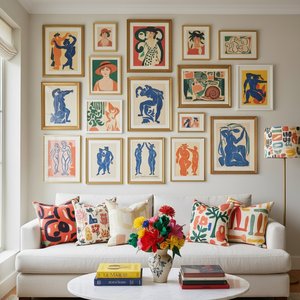
Uronite u svijet Henri Matissea! Otkrijte 25 remek-djela Fauvizma i moderne umjetnosti. Priče iza slika, boje i tehnike slavnog umjetnika. Pronađite savršenu reprodukciju za vaš interijer na Most-Famous-Paintings.com.

Explore the rich history of illustration! From ancient cave paintings to Art Nouveau masterpieces, discover how visual storytelling has shaped culture. Expert insights & stunning examples.

Explore 10 iconic artworks – from Monet to Matisse – that masterfully use color! Discover the stories behind these vibrant paintings, their techniques & emotional impact. Find museum-quality art reproductions and inspiring decor ideas on Most-Famous-Paintings.com.

Otkrijte 10 remek-djela Art Nouveaua! Gustav Klimt, Alphonse Mucha i drugi majstori secesije. Istaknute slike, priče o umjetnicima i inspiracija za vaš dom. Kvalitetne reprodukcije na Most-Famous-Paintings.com – istražite cijelu kolekciju online!


Budite u tijeku s najnovijim umjetničkim vijestima, ekskluzivnim ponudama i idejama za dekoraciju.
Recite nam nešto o svom projektu, a naši će stručnjaci za umjetnost pripremiti 3 personalizirana prijedloga umjetnina.
Dopustite nam da odaberemo 3 opcije samo za Vas – Besplatno!


 Preview
 Pošalji
 Podijeli
 Detalji o umjetničkom djelu

 Preuzmi
 Slični predmeti
 Rentgenska snimka
 Automatska prezentacija
 Prikaži više







 Opcija stakla dostupna je samo za dimenzije manje od 110 cm


