


x

Giclée tisak muzejske kvalitete ili otisak na platnu uz brzu proizvodnju i fleksibilne opcije završne obrade. ( Kupi ručno naslikanu sliku Kupi digitalnu sliku)





























Odaberite jednu od naših unaprijed definiranih veličina koje odgovaraju izvornim proporcijama umjetničkog djela.

Možete unijeti vlastite dimenzije kako biste umjetničko djelo prilagodili specifičnom okviru ili prostoru. Ako odabrana veličina ne odgovara proporcijama izvornog rada, izrezat ćemo dio slike ili je proširiti pomoću ogledalnog efekta ili jednobojne rubne površine. Digitalni prikaz (mockup) bit će vam poslan na odobrenje prije početka proizvodnje.
Imajte na umu da pregled na zaslonu ne odražava stvarno izrezivanje ili proširivanje. Samo će mockup točno prikazati konačnu kompoziciju.
Iako su dostupne prilagođene veličine, preporučujemo odabir dimenzije iz unaprijed definirane liste kako biste očuvali izvorne proporcije.
Dostava širom svijeta () u roku od 2 tjedna umjesto standardnih 4/5 tjedana. (16 Kolovoz)


Topaz
Veličina reprodukcije
Alphonse Maria Mucha (1860 – 1939), born in Ivanačice, Moravia, stands as a monumental figure within the Art Nouveau movement—a stylistic revolution that swept across Europe between 1890 and 1910. Rejecting the academic conventions of his time, Mucha forged an utterly original path, prioritizing fluidity, ornamentation, and a profound connection to nature’s rhythms.
His formative years were marked by a rebellious spirit; disillusioned with the rigid formalism of Prague’s Academy of Fine Arts, he abandoned traditional painting for illustration—a decision that proved pivotal in shaping his distinctive aesthetic. Paris beckoned in 1887, offering him not only artistic freedom but also exposure to influential avant-garde circles.
Mucha's style is instantly recognizable: a mesmerizing blend of organic forms and stylized lines reminiscent of flowing drapery and blossoming flowers. Heavily influenced by artists like Pierre-Auguste Renoir and Gustave Moreau, Mucha developed a technique characterized by meticulous watercolor washes layered upon textured paper—a process that captured the ethereal beauty he sought to convey.
His most celebrated works exemplify this approach. “The Slavonic Uprising,” for instance, brilliantly synthesizes Czech folklore with Art Nouveau’s decorative sensibilities. The painting depicts a woman warrior adorned in flowing robes and intricate floral motifs, embodying strength and grace simultaneously. Mucha's masterful use of color—particularly vibrant yellows and oranges—amplifies the emotional resonance of the scene.
Beyond mere decoration, Mucha imbued his images with symbolic meaning. Recurring motifs such as lilies, peacocks, and serpents represent purity, nobility, and primal forces respectively – elements carefully orchestrated to communicate complex narratives within a visually captivating framework. His illustrations for publications like “Salon des Cent” and “Young Farmers Breaking Flax” further cemented his reputation as a visionary artist who transcended stylistic boundaries.
The legacy of Alphonse Mucha extends far beyond the confines of Art Nouveau itself. His influence can be discerned in subsequent artistic endeavors, demonstrating the enduring power of his aesthetic principles. Today, reproductions of Mucha’s paintings continue to inspire interior designers and collectors alike—testament to the timeless beauty and intellectual depth of a singular artistic genius.

1860 - 1939 , Češka Republika
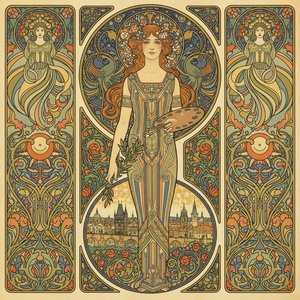
Explore the life & art of Alphonse Mucha, master of Art Nouveau! Discover his iconic posters, stunning illustrations, and the monumental Slav Epic. A comprehensive guide for collectors & enthusiasts.

Otkrijte 10 remek-djela Art Nouveaua! Gustav Klimt, Alphonse Mucha i drugi majstori secesije. Istaknute slike, priče o umjetnicima i inspiracija za vaš dom. Kvalitetne reprodukcije na Most-Famous-Paintings.com – istražite cijelu kolekciju online!

Explore the captivating world of Art Nouveau! Discover its origins, key artists like Horta & Mucha, regional styles, innovative techniques, and lasting influence on architecture & design. A comprehensive guide for art enthusiasts.

Discover the enchanting world of Art Nouveau. Explore the organic beauty, flowing lines, and Belle Époque elegance that defined an era of unparalleled craftsmanship and natural inspiration.
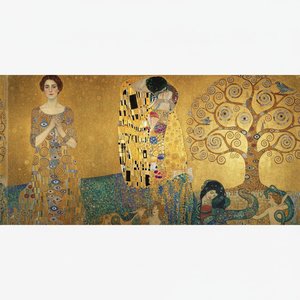
Uronite u svijet Gustava Klimta! Otkrijte 25 remek-djela bečke secesije, simbolizma i zlatnog doba. Pronađite inspiraciju za dekoraciju interijera s vrhunskim reprodukcijama slika na Most-Famous-Paintings.com.


Budite u tijeku s najnovijim umjetničkim vijestima, ekskluzivnim ponudama i idejama za dekoraciju.
Recite nam nešto o svom projektu, a naši će stručnjaci za umjetnost pripremiti 3 personalizirana prijedloga umjetnina.
Dopustite nam da odaberemo 3 opcije samo za Vas – Besplatno!


 Pregledaj u stvarnoj veličini
 Pošalji
 Podijeli
 Detalji o umjetničkom djelu

 Preuzmi
 Slični predmeti
 Rentgenska snimka
 Automatska prezentacija
 Prikaži više







 Opcija stakla dostupna je samo za dimenzije manje od 110 cm


