x

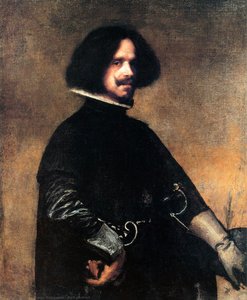
 Oil On CanvasWallArtVenetian Grand Manner
 1684Early Modern
 49.0 x 40.0 cm
 Muzej Ashmolean za umjetnost i arheologiju
Kupite digitalnu sliku visoke rezolucije i poboljšane kvalitete, koja je znatno superiornija od online prikaza.
Svaka datoteka pedantno je pripremljena od strane naših internih stručnjaka koristeći napredne alate i vještinsku ručnu retušu. Osiguravamo da svaka slika ima iznimnu jasnoću, preciznu točnost boja i visoku razinu detalja.
Konačna datoteka dostavlja se putem e-pošte u roku od 72 sata, optimizirana za neposrednu upotrebu u profesionalnim, uredničkim i tiskarskim okruženjima. To je ista kvaliteta kojoj vjeruju vrhunski studiji dizajna, izdavači i galerije.
Preuzmite datoteku visoke rezolucije za osobnu izložbu, tisak i kreativne projekte. ( Kupi print Kupi ručno naslikanu sliku)
Odabirom Most-Famous-Paintings.com ne dobivate samo sliku – dobivate profesionalno unapređeno digitalno umjetničko djelo, izrađeno s najvećom preciznošću uz jamstvo zadovoljstva. Evo svega što automatski dolazi uz vašu narudžbu:

Vaša digitalna slika visoke rezolucije bit će vam poslana e-mailom u roku od 72 sata od narudžbe – spremna za neposrednu upotrebu.

Vaše umjetničko djelo profesionalno je optimizirano pomoću naprednih AI alata i ručnog uređivanja, čime se osigurava maksimalna razina detalja, oštrine i točnosti boja.

Slučajno ste obrisali ili izgubili svoju datoteku? Ne brinite – ponovno ćemo vam je poslati u bilo kojem trenutku, potpuno besplatno.

Uživajte u svojim umjetničkim djelima trenutno, bez carina, pristojbi ili troškova dostave – digitalne datoteke uvijek su oslobođene poreza.

Uz pomoć profesionalnih alata i upravljanja bojama, osiguravamo da vaša digitalna slika što vjernije odražava izvorne boje.

Ako niste zadovoljni svojom digitalnom slikom, revidirat ćemo je ili vratiti 100% novca u roku od 60 dana – bez ikakvih pitanja.

Niste zadovoljni? Osigurajte puni povrat novca u roku od 60 dana od primitka vaše digitalne datoteke – bez suvišnih pitanja.

Kupite 3 slike, uštedite 10% - Kupite 5 slika, uštedite 15% - Kupite 10+ slika, uštedite 20%. Odlično za kreativne projekte, galerije i agencije.
Antonio Bellucci’s “Self Portrait,” completed around 1684, stands as an emblem of the Venetian Grand Manner style—a movement that sought to elevate painting beyond mere representation into a vehicle for conveying profound emotion and intellectual contemplation. Executed in oil on canvas, this artwork transcends its formal dimensions, offering a glimpse into the artist’s psyche and reflecting the broader cultural currents shaping Baroque Europe.
The portrait depicts Bellucci seated before a mirror, bathed in soft light that illuminates his face with an almost unnerving clarity. His gaze is direct, unwavering—a challenge to the viewer to confront oneself. The artist’s attire – a simple white shirt – underscores a deliberate austerity, contrasting sharply with the opulent fabrics and decorative motifs characteristic of Venetian aristocratic interiors at the time.
Displayed prominently at the Ashmolean Museum of Art and Archaeology in Oxford, “Self Portrait” continues to captivate audiences with its psychological depth and artistic brilliance. Its enduring appeal lies in its ability to communicate a timeless message about confronting oneself—a feat achieved through Bellucci’s unparalleled technical skill and unwavering commitment to conveying emotion.
Additional Research Links:
Recommended Reproduction: Consider commissioning a museum-quality reproduction of “Self Portrait” from Most-Famous-Paintings.com to bring this iconic masterpiece into your home and experience its captivating beauty firsthand.

Antonio Bellucci stands as a luminous figure within the Venetian artistic tradition, a master whose brush captured the transition from the dramatic intensity of the Baroque to the airy elegance of the Rococo. Born in 1654 in Pieve di Soligo, Italy, Bellucci’s early training under Domenico Difnico in Sebénico provided him with a rigorous foundation in classical principles. However, it was his arrival in Venice that truly ignited his creative spirit. By 1675, he was already making significant contributions to the city's sacred spaces, most notably through his monumental frescoes for San Pietro di Castello. In these works, depicting Saint Lorenzo Giustiniani’s fervent prayers during the plague of 1447, Bellucci demonstrated an extraordinary ability to weave together religious devotion and human emotion, creating a sense of divine drama that resonated deeply with the Venetian public.
His talent was not confined to the spiritual realm; Bellucci possessed a versatile mastery over various genres, from the intimate tenderness of nativity scenes for the church of Ascension to the sweeping narratives of classical mythology. A defining characteristic of his development was his collaborative spirit. He worked in close harmony with the landscape painter Antonio Tempesta, where Bellucci’s skill in rendering human figures breathed life and narrative complexity into Tempesta's expansive vistas. This synergy between figure and landscape became a hallmark of his maturing style, blending movement and grace with structural depth.
As his reputation grew, Bellucci’s ambitions carried him far beyond the borders of the Venetian Republic, leading him to the heart of European power. His periods in Vienna during the late seventeenth and early eighteenth centuries marked a pinnacle in his career, as he secured the prestigious patronage of the Habsburg court. Under the gaze of Emperor Charles VI, Bellucci undertook monumental projects that showcased his technical prowess on an imperial scale. The four altarpieces he created for Klosterneuburg serve as enduring testaments to his ability to command large-scale religious compositions with both majesty and clarity.
The zenith of his architectural painting is perhaps best exemplified by the breathtaking ceiling frescoes at Palais Liechtenstein. In depicting the Triumph of Hercules, Bellucci utilized the grand manner to create an immersive experience, where mythological heroism meets the sophisticated aesthetics of the burgeoning Rococo era. This ability to synthesize classical grandeur with a lighter, more decorative touch allowed him to navigate the changing tastes of the European aristocracy with ease.
Beyond his individual achievements, Bellucci’s historical significance is cemented by his role as a mentor and an influential force in the lineage of Italian art. Through his instruction of talented students such as Antonio Balestra and potentially Jacopo Amigoni, he ensured that the sophisticated techniques of the Venetian school would endure and evolve. His legacy remains etched in the ceilings of palaces and the altars of cathedrals, representing a period of unparalleled artistic splendor where light, movement, and myth converged to celebrate the human and the divine.

1654 - 1726 , Italy


Budite u tijeku s najnovijim umjetničkim vijestima, ekskluzivnim ponudama i idejama za dekoraciju.
Recite nam nešto o svom projektu, a naši će stručnjaci za umjetnost pripremiti 3 personalizirana prijedloga umjetnina.
Dopustite nam da odaberemo 3 opcije samo za Vas – Besplatno!


 Pregledaj u stvarnoj veličini
 Pošalji
 Podijeli
 Detalji o umjetničkom djelu

 Preuzmi
 Slični predmeti
 Rentgenska snimka
 Automatska prezentacija
 Prikaži više