
Prodajte svoju umjetnost
Lista želja Vaša košarica Cart
Pregledaj u stvarnoj veličiniPregledaj u stvarnoj veličini AR pregledAR pregled Kupi print Kupi printKupi ručno naslikanu sliku Kupi ručno naslikanu sliku PošaljiPošalji
Detalji o umjetničkom djeluDetalji o umjetničkom djelu Dodaj u omiljene Dodaj u omiljene PreuzmiPreuzmi Slični predmetiSlični predmeti Rentgenska snimkaRentgenska snimka Automatska prezentacijaAutomatska prezentacija

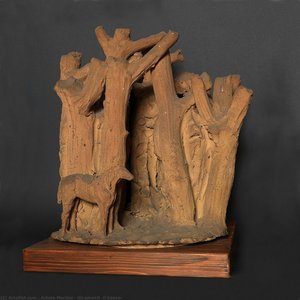
Prostitute

Explore Arturo Martini’s sculptures: classicism & modernism, fascism & rebellion. Italian sculptor known for irony, influence & works like 'Masaccio'. Discover his legacy!

Kupite digitalnu sliku visoke rezolucije i poboljšane kvalitete, koja je znatno superiornija od online prikaza.

Svaka datoteka pedantno je pripremljena od strane naših internih stručnjaka koristeći napredne alate i vještinsku ručnu retušu. Osiguravamo da svaka slika ima iznimnu jasnoću, preciznu točnost boja i visoku razinu detalja.

Konačna datoteka dostavlja se putem e-pošte u roku od 72 sata, optimizirana za neposrednu upotrebu u profesionalnim, uredničkim i tiskarskim okruženjima. To je ista kvaliteta kojoj vjeruju vrhunski studiji dizajna, izdavači i galerije.

Digitalna slika

Preuzmite datoteku visoke rezolucije za osobnu izložbu, tisak i kreativne projekte. (Kupi print Kupi printKupi ručno naslikanu sliku Kupi ručno naslikanu sliku)

Ukupna cijena

$ 24,90

Uključeno uz svaku narudžbu digitalne slike

Profesionalna digitalna dostava, zajamčena

Odabirom Most-Famous-Paintings.com ne dobivate samo sliku – dobivate profesionalno unapređeno digitalno umjetničko djelo, izrađeno s najvećom preciznošću uz jamstvo zadovoljstva. Evo svega što automatski dolazi uz vašu narudžbu:

shipping_icon
Brza dostava e-poštom

Vaša digitalna slika visoke rezolucije bit će vam poslana e-mailom u roku od 72 sata od narudžbe – spremna za neposrednu upotrebu.

canvas_icon
Digitalna datoteka poboljšana AI-om

Vaše umjetničko djelo profesionalno je optimizirano pomoću naprednih AI alata i ručnog uređivanja, čime se osigurava maksimalna razina detalja, oštrine i točnosti boja.

insurance_icon
Besplatna ponovna dostava doživotno

Slučajno ste obrisali ili izgubili svoju datoteku? Ne brinite – ponovno ćemo vam je poslati u bilo kojem trenutku, potpuno besplatno.

tax_icon
Bez uvoznih carina – ikada

Uživajte u svojim umjetničkim djelima trenutno, bez carina, pristojbi ili troškova dostave – digitalne datoteke uvijek su oslobođene poreza.

color_icon
Jamstvo točnosti boja

Uz pomoć profesionalnih alata i upravljanja bojama, osiguravamo da vaša digitalna slika što vjernije odražava izvorne boje.

return_icon
Jamstvo zadovoljstva u trajanju od 60 dana

Ako niste zadovoljni svojom digitalnom slikom, revidirat ćemo je ili vratiti 100% novca u roku od 60 dana – bez ikakvih pitanja.

guarantee_icon
100% Jamstvo povrata novca

Niste zadovoljni? Osigurajte puni povrat novca u roku od 60 dana od primitka vaše digitalne datoteke – bez suvišnih pitanja.

discount_icon
Popusti na velike narudžbe

Kupite 3 slike, uštedite 10% - Kupite 5 slika, uštedite 15% - Kupite 10+ slika, uštedite 20%. Odlično za kreativne projekte, galerije i agencije.

Biografija umjetnika

Arturo Martini: Bridging Classicism and the Modern Spirit

Arturo Martini (1889 – 1947) remains a compelling figure in Italian sculpture, a testament to an artist who navigated the turbulent currents of his time—from the fervent energy of Futurism through the complexities of Fascist patronage and finally, a poignant return to artistic integrity. Born into modest circumstances in Treviso, Martini’s early life instilled within him a deep appreciation for craftsmanship, initially honed as a goldsmith before he found his true voice in sculpture. This grounding in material and technique would profoundly shape his later work, allowing him to seamlessly blend traditional forms with innovative approaches. His trajectory is marked by a restless exploration of style, reflecting the shifting artistic landscape of early 20th-century Italy.

Early Influences and the Embrace of Futurism

Martini’s artistic journey began in Venice and Munich, exposing him to diverse European influences. He initially studied under Adolf von Hildebrand in Munich, absorbing elements of German Expressionism, but it was his encounter with the burgeoning Futurist movement that truly ignited his creative spirit. The dynamism and rejection of academic tradition within Futurism resonated deeply, prompting Martini to experiment with fractured forms, rhythmic lines, and a sense of violent energy—a characteristic vividly displayed in early works like “I Morti di Bligny” (1935). This piece, depicting the aftermath of a train crash, exemplifies his embrace of Futurist principles: a fragmented composition conveying movement and chaos through sharp angles and distorted figures. Correspondence with Umberto Boccioni further solidified his connection to this revolutionary artistic current, resulting in a modernist booklet that documented his exploration of new techniques and ideas.

The Shadow of Fascism and Monumental Works

The interwar period witnessed a dramatic shift in Martini’s career. Italy's embrace of Fascism presented both opportunities and challenges. Martini found himself increasingly involved with public sculpture, commissioned to create monumental works that served as symbols of the regime’s power and ideology. He produced impressive bronze sculptures for institutions like La Sapienza University in Rome – notably a colossal figure representing the Roman poet Titus Livius Patavinus – and memorials honoring figures such as Tito Minniti, the Italian aviator. These commissions demanded a shift towards more formal, classical styles, reflecting the aesthetic preferences of the Fascist government. However, beneath this veneer of official patronage, Martini’s artistic integrity remained intact; he subtly infused these monumental pieces with his own unique sensibility, injecting elements of irony and dynamism into traditionally static forms.

A Rejection of Sculpture and a Return to Personal Vision

As the Fascist regime crumbled in 1945, Martini experienced a profound disillusionment. He famously denounced sculpture as “a dead language” in his influential essay, *Scultura, lingua morta*, articulating his belief that art should be free from external constraints and driven by genuine emotional expression. This critique marked a decisive break with his previous work, leading him to abandon sculpture altogether. Yet, despite this rejection, Martini’s artistic spirit persisted. In 1946, he created “Masaccio,” a poignant marble tribute to Primo Visentin, a partisan leader killed during the war in Loria. This final masterpiece embodies his enduring commitment to humanism and serves as a powerful testament to the sacrifices made during Italy's struggle for liberation. The sculpture’s raw emotion and understated elegance stand in stark contrast to the grandiosity of his earlier works, reflecting a newfound sense of artistic freedom.

Legacy and Enduring Influence

Arturo Martini’s legacy is complex and multifaceted. He was a pivotal figure in bridging the gap between classicism and modernism, demonstrating an extraordinary ability to synthesize diverse influences into a uniquely personal style. His work profoundly impacted subsequent generations of Italian sculptors, including Marino Marini, Emilio Greco, and Marcello Mascherini, who carried forward his innovative spirit and formal experimentation. Martini’s sculptures—ranging from dynamic Futurist compositions to monumental civic monuments and intimate tributes—continue to captivate viewers with their expressive power, technical skill, and enduring relevance. He remains a significant voice in the history of Italian art, a testament to an artist who dared to challenge convention and forge his own path amidst the tumultuous events of the 20th century.
arturo martini

arturo martini

1889 - 1947

Kratke činjenice

  • Artistic Movement Or Style:
    • Classicism
    • Modernism
    • Futurist
  • Artists Or Movements Influenced By This Artist:
    • Marino Marini
    • Emilio Greco
  • Artists Who Influenced This Artist: ['Umberto Boccioni']
  • Date Of Birth: 1889-08-11
  • Date Of Death: 1947-03-22
  • Full Name: Arturo Martini
  • Nationality: Italian
  • Notable Artworks:
    • Le Stelle
    • Minerva (1935)
    • San giorgio e il drago (1926)
  • Place Of Birth: Treviso, Italy

