x

 Oil On CanvasWallArtFauvist Style
 1909Modern
 22.0 x 16.0 cm
Giclée tisak muzejske kvalitete ili otisak na platnu uz brzu proizvodnju i fleksibilne opcije završne obrade. ( Kupi ručno naslikanu sliku Kupi digitalnu sliku)





























Odaberite jednu od naših unaprijed definiranih veličina koje odgovaraju izvornim proporcijama umjetničkog djela.

Možete unijeti vlastite dimenzije kako biste umjetničko djelo prilagodili specifičnom okviru ili prostoru. Ako odabrana veličina ne odgovara proporcijama izvornog rada, izrezat ćemo dio slike ili je proširiti pomoću ogledalnog efekta ili jednobojne rubne površine. Digitalni prikaz (mockup) bit će vam poslan na odobrenje prije početka proizvodnje.
Imajte na umu da pregled na zaslonu ne odražava stvarno izrezivanje ili proširivanje. Samo će mockup točno prikazati konačnu kompoziciju.
Iako su dostupne prilagođene veličine, preporučujemo odabir dimenzije iz unaprijed definirane liste kako biste očuvali izvorne proporcije.
Dostava širom svijeta () u roku od 2 tjedna umjesto standardnih 4/5 tjedana. (18 Kolovoz)


Elisabeth at the Table
Veličina reprodukcije
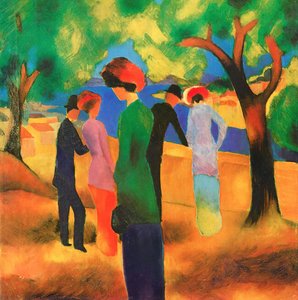
August Macke’s “Elisabeth at the Table,” painted in 1909, is more than just a depiction of two women sharing a moment; it’s a vibrant distillation of Fauvist principles and a poignant glimpse into the burgeoning artistic spirit of early 20th-century Germany. Measuring a modest 22 x 16 cm, this oil on canvas radiates an immediate warmth, drawing the viewer into a scene of intimate companionship rendered with a boldness rarely seen before its time. Macke, a key figure within the influential Der Blaue Reiter group, masterfully employs color and brushstroke to evoke not just what he saw, but how he *felt* about it – a characteristic hallmark of Expressionism.
The painting’s power lies fundamentally in its embrace of Fauvism. Macke abandons traditional representational accuracy for an unrestrained use of color, employing hues that are often jarringly bright and deliberately non-naturalistic. The reds, blues, and yellows aren't meant to mimic reality; instead, they pulsate with emotional intensity, contributing to the painting’s dynamic energy. Notice how the brushstrokes themselves – loose, gestural, and applied with a palpable urgency – further amplify this effect. This technique wasn't simply about aesthetics; it was a deliberate attempt to convey subjective experience, a core tenet of the movement.
The subject matter itself—two women seated at a table laden with books, handbags, and chairs – speaks volumes about the changing social landscape of the period. This isn’t a formal portrait intended to elevate status; it's an observation of everyday life, imbued with a sense of quiet contemplation. The objects themselves are rendered with a remarkable degree of detail, suggesting a comfortable domesticity, yet they are presented within Macke’s intensely colored framework, elevating them to something almost symbolic. The woman on the left, seemingly engrossed in a book, and the other, perhaps engaged in conversation or simply enjoying the moment, create an atmosphere of relaxed intimacy.
"Elisabeth at the Table" was created during a period of immense artistic upheaval. Macke’s work reflects the broader trends of his time – the rejection of academic conventions in favor of subjective expression, and the exploration of new visual languages. His association with Der Blaue Reiter (The Blue Rider) further contextualizes the painting, placing it within a circle of artists who were pushing the boundaries of artistic convention. Macke’s influence extends beyond Fauvism; his emphasis on emotional intensity and dynamic brushwork foreshadowed many later developments in modern art.
Most-Famous-Paintings offers a meticulously crafted hand-painted reproduction of August Macke’s “Elisabeth at the Table,” allowing you to bring this captivating artwork into your home or office. Each reproduction is created using archival materials and techniques, ensuring its longevity and fidelity to the original. This isn't merely a print; it's an investment in art history, a tangible connection to one of the most significant figures of the early 20th-century art scene. Consider this piece as more than just decoration – it’s a window into a world of vibrant color, emotional intensity, and profound artistic vision.


1887 - 1914 , Njemačka

Explore the profound history and technical mastery of woodcut relief printing. From ancient origins to German Expressionism, discover how artists use the subtractive process to create iconic works. A definitive guide for art students, collectors, and historians.

Discover the technical mastery behind Most-Famous-Paintings.com's premium Giclée canvas prints. Our guide for elite collectors explores archival pigment inks, museum-grade substrates, and the science of high-fidelity reproduction to ensure lasting beauty and historical accuracy.


Budite u tijeku s najnovijim umjetničkim vijestima, ekskluzivnim ponudama i idejama za dekoraciju.
Recite nam nešto o svom projektu, a naši će stručnjaci za umjetnost pripremiti 3 personalizirana prijedloga umjetnina.
Dopustite nam da odaberemo 3 opcije samo za Vas – Besplatno!


 Pregledaj u stvarnoj veličini
 Pošalji
 Podijeli
 Detalji o umjetničkom djelu

 Preuzmi
 Slični predmeti
 Rentgenska snimka
 Automatska prezentacija
 Prikaži više







 Opcija stakla dostupna je samo za dimenzije manje od 110 cm