


x


 Oil On CanvasWallArtVorticism
 Modern
 152.0 x 224.0 cm
 Tate Britain
Ručno oslikano uljanim bojama na platnu u dimenzijama i okviru po vašem izboru, izrađeno po narudžbi od strane naših umjetnika. ( Pređi na tisak Prebacite na sliku)





























Odaberite jednu od naših unaprijed definiranih veličina koje odgovaraju izvornim proporcijama umjetničkog djela.

Možete unijeti vlastite dimenzije kako bi odgovarale određenom okviru ili prostoru. Ako odabrana veličina ne odgovara proporcijama izvorne slike, izrezat ćemo umjetničko djelo ili proširiti sliku dodatnim ručno oslikanim elementima. Digitalni nacrt bit će vam poslan na odobrenje prije početka proizvodnje.
Imajte na umu da pregled na ekranu ne prikazuje stvarno izrezivanje ili proširivanje. Samo će nacrt točno prikazati konačni sastav.
Iako su dostupne prilagođene veličine, preporučujemo odabir dimenzije s preddefiniranog popisa kako bismo očuvali izvorne proporcije.
Isporuka širom svijeta () u roku od 3-4 tjedna umjesto standardnih 5 tjedana. (31 Srpanj). Bez kompromisa u kvaliteti.


The Mud Bath
Veličina reprodukcije
In the realm of early twentieth-century modernism, few works capture the raw, pulsating energy of the machine age quite like David Bomberg’s The Mud Bath. This Vorticist masterpiece serves as a breathtaking exploration of movement, where the boundaries between form and void dissolve into a rhythmic dance of geometry. At first glance, the viewer is met with a controlled chaos—a complex web of interlocking triangles, rectangles, and irregular polygons that seem to vibrate against a muted, earthy backdrop. The composition is anchored by a central vertical axis, reminiscent of a structural pillar or a primordial tree, which acts as a stabilizer for the swirling, angular fragments that orbit it. It is a painting that does not merely sit upon the canvas but seems to actively construct itself before the eyes of the observer.
The color palette of this work is both disciplined and profoundly impactful, utilizing a limited spectrum to achieve maximum visual tension. A dominant, fiery red provides an intense warmth that surges through the composition, while sharp strikes of cobalt blue offer a cooling contrast, adding much-needed depth to the flattened pictorial plane. These primary tones are punctuated by brilliant whites that highlight the edges of the geometric shards, creating a crisp, staccato rhythm. The background, a soft and understated beige, provides a grounding element that prevents the vibrant shapes from feeling untethered, allowing the structural complexity of the work to remain the focal point.
To understand The Mud Bath, one must look toward the radical artistic movements of the post-war era. Bomberg, a prominent figure among the 'Whitechapel Boys,' was deeply immersed in the avant-garde currents of Cubism and Futurism. This specific piece exemplifies the essence of Vorticism—a movement that sought to find the "vortex" at the heart of modern life, capturing the dynamism and mechanical precision of an industrializing world. Unlike the more fluid abstractions found in other movements, Bomberg’s approach here is architectural and structural; he strips away the superficiality of nature to reveal the underlying skeletal energy of the subject matter.
While the title might suggest a literal depiction of a landscape or a natural process, the painting functions primarily as an exploration of pure form. Any connection to the organic—the suggestion of foliage, water, or earth—is purely symbolic, serving as a ghostly echo of reality beneath the heavy layers of abstraction. For the discerning collector or interior designer, this artwork offers more than just visual interest; it provides a sophisticated focal point that commands attention through its historical weight and structural integrity. A high-quality reproduction of this piece brings with it an aura of intellectual depth and a bold, modern aesthetic that can transform a contemporary space into a gallery of profound artistic significance.

Rođen u obitelji poljsko-židovskih imigranata, Abrahama i Rebecke Bomberg, David je svoje prve korake u umjetnosti napravio u Tehničkoj umjetničkoj školi City and Guilds, prije nego što je u Birminghamu prošao obuku za litograf.
Studirao je pod vodstvom Waltera Sickerta u Westminster School of Art (1908. – 1910.), pod snažnim utjecajem Sickertovog fokusa na formu i urbani život. Ključni trenutak bile su susreti s djelima Paula Cézannea putem Roger Fryjeve izložbe "Manet i postimpresionisti" iz 1910. godine. Nakon toga, pohranio je Slade School of Art (1911.), gdje je osvojio Tonksovu nagradu za crtež svog kolege studenta, Isaaca Rosenberga.
Iskustva kao obični vojnik tijekom Prvog svjetskog rata duboko su utjecala na njegov umjetnički vid, potičući odmak od apstrakcije prema nečem opipljivijem.
Dvadesete godine donijele su Bombergov prijelaz u figurativniji stil, s fokusom na portrete i pejzaže izravno oslikane iz prirode. Razvio je sve ekspresivniju tehniku, obilježenu teksturiranim impastom i emocionalnim intenzitetom.
Snažan utjecaj na njegov kasniji rad imali su opsežni putovanja kroz Bliski istok (posebno Palestina) i Europu. Njegovi prikazi Jeruzalema posebno su značajni u tom kontekstu.

1890 - 1957 , Ujedinjeno Kraljevstvo
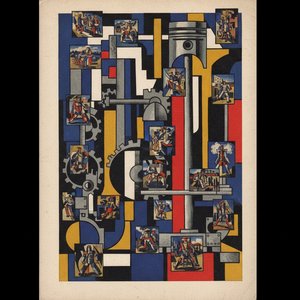
Istražite 25 remek-djela Fernanda Légera – ikona kubizma i tubizma. Otkrijte priče iza slika, tehnike i inspiraciju ovog modernog umjetnika. Kvalitetne reprodukcije za vaš dom na Most-Famous-Paintings.com!
Journey through Wassily Kandinsky's 25 most iconic abstract paintings. Explore his revolutionary use of color, form & spiritual expressionism. Find museum-quality Kandinsky reproductions and elevate your home decor with Most-Famous-Paintings.com. Discover all masterpieces on Most-Famous-Paintings.com!

Istražite 25 najpoznatijih remek-djela Metropolitana u New Yorku! Otkrijte priče Van Gogha, Moneta i drugih majstora. Inspirirajte se za dekoraciju doma s luksuznim reprodukcijama slika na Most-Famous-Paintings.com.
Istražite 25 remek-djela MoMA - od Van Gogha do Warhola! Otkrijte priče iza poznatih slika, umjetničkih pokreta i tehnika. Pronađite inspiraciju za dekoraciju doma s luksuznim reprodukcijama na Most-Famous-Paintings.com.

Explore the groundbreaking work of David Bomberg, a pivotal figure in British abstraction. Discover his artistic evolution, influences, and lasting legacy through insightful analysis & expert commentary.


Budite u tijeku s najnovijim umjetničkim vijestima, ekskluzivnim ponudama i idejama za dekoraciju.
Recite nam nešto o svom projektu, a naši će stručnjaci za umjetnost pripremiti 3 personalizirana prijedloga umjetnina.
Dopustite nam da odaberemo 3 opcije samo za Vas – Besplatno!


 Pregledaj u stvarnoj veličini
 Pošalji
 Podijeli
 Detalji o umjetničkom djelu

 Preuzmi
 Slični predmeti
 Rentgenska snimka
 Automatska prezentacija
 Prikaži više







 Opcija stakla dostupna je samo za dimenzije manje od 110 cm


