


x
 Acrylic On CanvasWallArtEarly Renaissance
 1412
1412 168.0 x 173.0 cm
 Santa Croce
Kupite digitalnu sliku visoke rezolucije i poboljšane kvalitete, koja je znatno superiornija od online prikaza.
Svaka datoteka pedantno je pripremljena od strane naših internih stručnjaka koristeći napredne alate i vještinsku ručnu retušu. Osiguravamo da svaka slika ima iznimnu jasnoću, preciznu točnost boja i visoku razinu detalja.
Konačna datoteka dostavlja se putem e-pošte u roku od 72 sata, optimizirana za neposrednu upotrebu u profesionalnim, uredničkim i tiskarskim okruženjima. To je ista kvaliteta kojoj vjeruju vrhunski studiji dizajna, izdavači i galerije.
Preuzmite datoteku visoke rezolucije za osobnu izložbu, tisak i kreativne projekte. ( Pređi na tisak Prebacite se na ručno oslikano djelo)
Odabirom Most-Famous-Paintings.com ne dobivate samo sliku – dobivate profesionalno unapređeno digitalno umjetničko djelo, izrađeno s najvećom preciznošću uz jamstvo zadovoljstva. Evo svega što automatski dolazi uz vašu narudžbu:

Vaša digitalna slika visoke rezolucije bit će vam poslana e-mailom u roku od 72 sata od narudžbe – spremna za neposrednu upotrebu.

Vaše umjetničko djelo profesionalno je optimizirano pomoću naprednih AI alata i ručnog uređivanja, čime se osigurava maksimalna razina detalja, oštrine i točnosti boja.

Slučajno ste obrisali ili izgubili svoju datoteku? Ne brinite – ponovno ćemo vam je poslati u bilo kojem trenutku, potpuno besplatno.

Uživajte u svojim umjetničkim djelima trenutno, bez carina, pristojbi ili troškova dostave – digitalne datoteke uvijek su oslobođene poreza.

Uz pomoć profesionalnih alata i upravljanja bojama, osiguravamo da vaša digitalna slika što vjernije odražava izvorne boje.

Ako niste zadovoljni svojom digitalnom slikom, revidirat ćemo je ili vratiti 100% novca u roku od 60 dana – bez ikakvih pitanja.

Niste zadovoljni? Osigurajte puni povrat novca u roku od 60 dana od primitka vaše digitalne datoteke – bez suvišnih pitanja.

Kupite 3 slike, uštedite 10% - Kupite 5 slika, uštedite 15% - Kupite 10+ slika, uštedite 20%. Odlično za kreativne projekte, galerije i agencije.
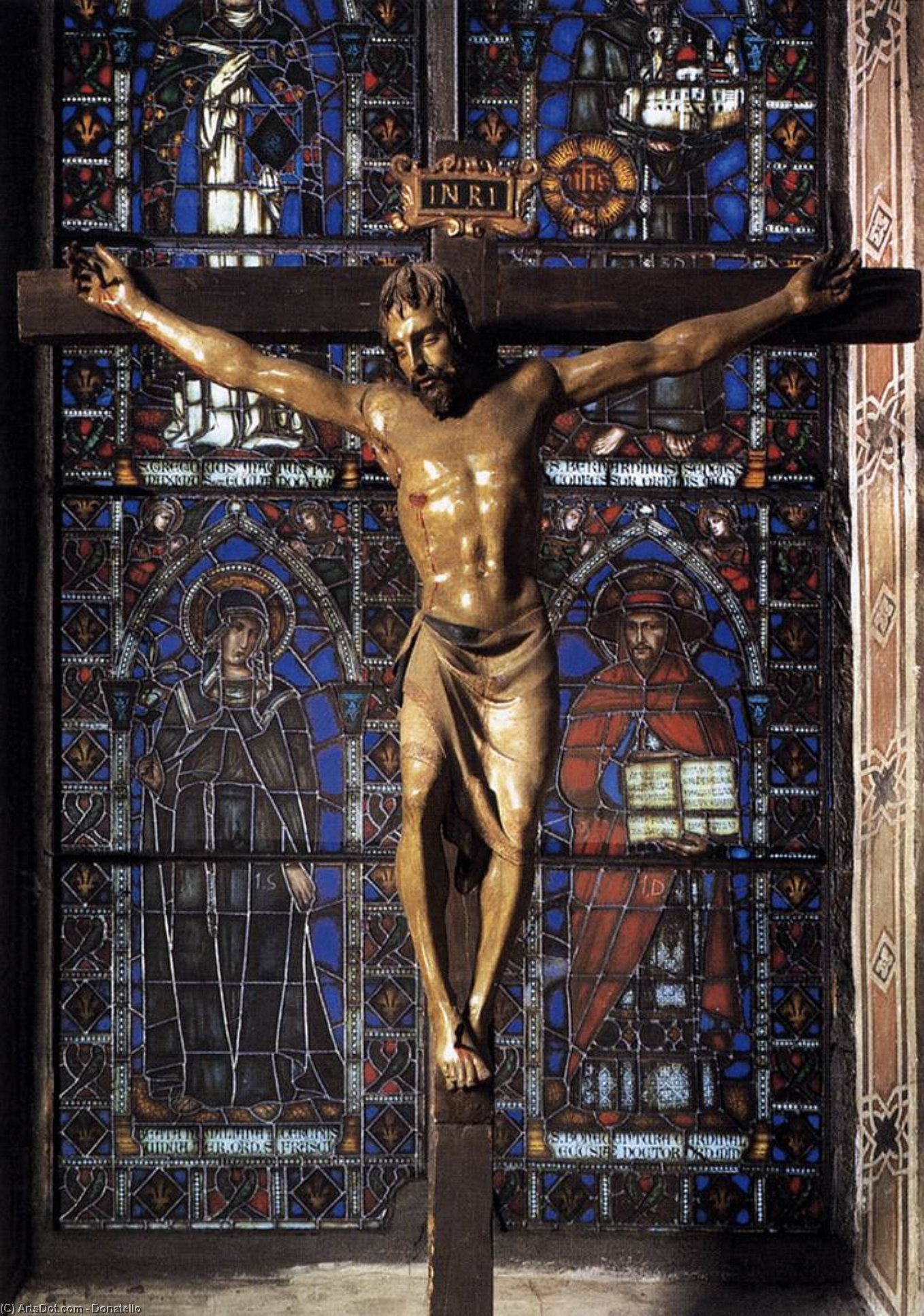
Donatello's 1412 Crucifix, housed within the Basilica of Santa Croce in Florence, isn’t merely a depiction of Christ on the cross; it’s a visceral experience. This early Renaissance masterpiece transcends simple representation, plunging the viewer into the heart of Christian theology and embodying the profound tension between suffering and redemption. Crafted from richly-toned pearwood, the sculpture immediately commands attention with its remarkably realistic portrayal of the human form – a radical departure from the idealized figures prevalent in preceding artistic traditions. Donatello masterfully captures not just the physical agony of Christ’s crucifixion but also an underlying sense of quiet dignity and acceptance, inviting contemplation on themes of sacrifice and faith.
The sculpture's power lies partly in its innovative approach to realism. Vasari famously remarked that Donatello had sculpted a “contadino” – a peasant – rather than a divine figure, highlighting the artist’s deliberate choice to humanize Christ, making his suffering relatable and deeply affecting. The musculature of Christ’s body is rendered with meticulous detail, conveying both the strain of the nails piercing his flesh and the subtle grace of his posture. The loincloth, meticulously carved, adds another layer of realism, anchoring the figure in a tangible, earthly reality. This deliberate focus on human anatomy was revolutionary for its time, setting a new standard for artistic representation and influencing generations of sculptors to come.
Donatello’s mastery is evident not only in the sculpture's realism but also in his skillful manipulation of materials. The pearwood, chosen for its rich color and durability, provides a warm, resonant base for the vibrant polychrome pigments that bring the figure to life. The artist employed a technique known as *polychromy*, applying layers of paint – primarily reds, browns, and golds – to create an illusion of depth and texture. The intricate detailing of the nails driven into Christ’s hands and feet is particularly noteworthy, demonstrating Donatello's precision and control.
Beyond the pigments, the sculpture’s construction itself speaks volumes about Renaissance craftsmanship. The wood was carved with painstaking care, utilizing a subtractive method – removing material to reveal the desired form. The lead lines forming the cross are expertly executed, creating a strong structural framework while simultaneously contributing to the overall aesthetic impact. This combination of sculptural skill and meticulous attention to detail exemplifies the artistic standards of the early Renaissance period.
The Crucifix is laden with symbolic meaning, reflecting core tenets of Christian belief. The cross itself represents sacrifice, atonement for humanity’s sins, and the path to salvation. Christ's suffering embodies humility, obedience, and love – qualities deeply valued within the Christian tradition. The figure’s serene expression, despite his evident pain, suggests a profound acceptance of God’s will and an unwavering faith in the promise of resurrection.
Furthermore, Donatello’s depiction subtly shifts from the traditional Byzantine emphasis on Christ as a glorious, divine being to a more humanistic portrayal – a hallmark of the Renaissance. This shift reflects a growing interest in earthly experience and the potential for humanity to connect with the divine through empathy and understanding. The sculpture invites viewers not just to witness Christ's suffering but also to contemplate their own capacity for compassion and faith.
Donatello’s Crucifix stands as a pivotal work in the transition from medieval to Renaissance art, demonstrating a remarkable fusion of classical influences with Christian iconography. It represents a significant departure from earlier depictions of Christ on the cross, characterized by stylized forms and symbolic gestures. The sculpture's realism, emotional depth, and technical virtuosity established new standards for artistic representation and profoundly influenced subsequent generations of artists. Today, it remains a powerful testament to the enduring legacy of Donatello and his contribution to the development of Western art.


1386 - 1466 , Italija


Budite u tijeku s najnovijim umjetničkim vijestima, ekskluzivnim ponudama i idejama za dekoraciju.
Recite nam nešto o svom projektu, a naši će stručnjaci za umjetnost pripremiti 3 personalizirana prijedloga umjetnina.
Dopustite nam da odaberemo 3 opcije samo za Vas – Besplatno!


 Pregledaj u stvarnoj veličini
 Pošalji
 Podijeli
 Detalji o umjetničkom djelu

 Preuzmi
 Slični predmeti
 Rentgenska snimka
 Automatska prezentacija
 Prikaži više


