x

 Ulje na platnuZidna umjetnostModernizam
 186119. stoljeće
 131.0 x 93.0 cm
 Muzej umjetnosti Metropolitan
Giclée tisak muzejske kvalitete ili otisak na platnu uz brzu proizvodnju i fleksibilne opcije završne obrade. ( Kupi ručno naslikanu sliku Kupi digitalnu sliku)





























Odaberite jednu od naših unaprijed definiranih veličina koje odgovaraju izvornim proporcijama umjetničkog djela.

Možete unijeti vlastite dimenzije kako biste umjetničko djelo prilagodili specifičnom okviru ili prostoru. Ako odabrana veličina ne odgovara proporcijama izvornog rada, izrezat ćemo dio slike ili je proširiti pomoću ogledalnog efekta ili jednobojne rubne površine. Digitalni prikaz (mockup) bit će vam poslan na odobrenje prije početka proizvodnje.
Imajte na umu da pregled na zaslonu ne odražava stvarno izrezivanje ili proširivanje. Samo će mockup točno prikazati konačnu kompoziciju.
Iako su dostupne prilagođene veličine, preporučujemo odabir dimenzije iz unaprijed definirane liste kako biste očuvali izvorne proporcije.
Dostava širom svijeta () u roku od 2 tjedna umjesto standardnih 4/5 tjedana. (16 Kolovoz)


Dječak s mačem
Veličina reprodukcije
Édouard Manet's "Boy with a Sword," painted in 1861, isn’t merely a portrait; it’s a pivotal moment in the trajectory of modern art. Often overlooked amidst the more flamboyant canvases that defined his career, this seemingly simple work—a young boy posed with a period sword—holds within it a complex interplay of historical reference, artistic innovation, and burgeoning psychological depth. It represents a deliberate step away from the rigid conventions of academic painting and toward a more direct, observational approach to depicting human experience – a hallmark of the Impressionists who would follow.
The genesis of this captivating image lies in Manet’s personal life. His stepson, Léon Koëlla-Leenhoff, a boy of approximately ten years old at the time, served as the model. Manet, deeply influenced by Spanish masters like Velázquez, sought to capture a sense of dignified solemnity reminiscent of the great painter's royal children. The choice of costume—a meticulously recreated seventeenth-century outfit—and the inclusion of the sword are not arbitrary; they’re deliberate nods to artistic tradition and a conscious effort to evoke a specific historical atmosphere. However, Manet doesn’t simply replicate the past; he subtly transforms it, imbuing the boy with an air of vulnerability and quiet contemplation that transcends mere imitation.
Technically, “Boy with a Sword” is characterized by its remarkable simplicity. Manet employs a restrained palette—primarily muted browns, grays, and ochres—that emphasizes the textures of the fabric and the boy’s clothing. He utilizes loose brushstrokes and a broken color technique, anticipating Impressionist methods, to create an atmospheric effect rather than a meticulously rendered surface. The lighting is diffused and naturalistic, casting soft shadows that subtly shape the boy's features and contribute to his melancholic expression. Notice how Manet avoids sharp contrasts or dramatic highlights, opting instead for a delicate balance of light and dark.
The composition itself is carefully considered. The boy stands slightly off-center, drawing the viewer’s eye across the canvas. His gaze is averted, suggesting introspection and perhaps even a hint of sadness. The sword, held casually in his hand, acts as both a prop and a symbol—a marker of youthful privilege and potential danger. The background wall, rendered with minimal detail, serves to further isolate the subject and intensify the focus on his emotional state.
Manet’s decision to exhibit “Boy with a Sword” five times between 1862 and 1872 reveals its significance within the evolving art world. Initially, the painting garnered favorable reviews, recognizing Manet's innovative approach to depicting contemporary life. However, it also sparked debate and criticism, particularly regarding its perceived lack of finish and its departure from traditional academic standards. Despite this initial resistance, “Boy with a Sword” played a crucial role in bridging the gap between Realism and Impressionism, paving the way for future generations of artists.
The painting’s eventual donation to The Metropolitan Museum of Art in 1889 marked a significant milestone in Manet's artistic recognition. It signaled a shift in critical opinion and established “Boy with a Sword” as one of his most enduring works. Its influence can be seen in the subsequent paintings of artists like Renoir, Degas, and Monet, who embraced Manet’s emphasis on capturing fleeting moments and conveying subjective experience.
At Most-Famous-Paintings, we are proud to offer meticulously crafted, hand-painted oil painting reproductions of Édouard Manet’s “Boy with a Sword.” Our artisans replicate the artist's distinctive style and techniques with exceptional detail, ensuring that your reproduction captures the essence of this remarkable masterpiece. Available in sizes ranging from 131 x 93 cm to larger formats, you can bring this iconic work into your own space and enjoy its timeless beauty and profound emotional resonance. Explore our collection today: Édouard Manet: Boy with a Sword and Painting by 'Edouard Manet' | Edouard Manet: Boy with a Sword.
For further insights into Édouard Manet’s life and work, we encourage you to visit Édouard Manet on Wikipedia.


1832 - 1883 , Francuska
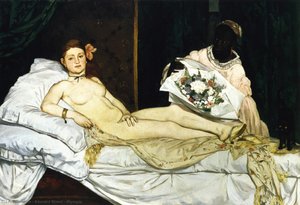
Uronite u svijet Édouarda Maneta! Otkrijte 25 remek-djela impresionizma, priče iza slika poput 'Le Déjeuner' i 'Olympie', te pronađite inspiraciju za luksuzni interijer. Reprodukcije vrhunske kvalitete na Most-Famous-Paintings.com.

Journey through Impressionistic Realism with 10 iconic masterpieces by Monet, Renoir & Van Gogh. Explore art history, techniques & find museum-quality reproductions for your home at Most-Famous-Paintings.com. Discover all masterpieces online!

Explore the life & art of Édouard Manet, a pivotal figure bridging Realism and Impressionism. Discover his revolutionary techniques, controversial masterpieces like 'Olympia,' and lasting impact on modern art history.

Journey through Impressionism's heart with 10 iconic paintings by Monet, Renoir & Degas. Explore light, color & the stories behind these masterpieces. Find museum-quality art reproductions and elevate your home decor on Most-Famous-Paintings.com.
Explore 10 defining masterpieces of Romantic Realism! Discover Courbet, Millet & Daumier's powerful paintings—capturing emotion and social realities. Find museum-quality reproductions for your home at Most-Famous-Paintings.com.


Budite u tijeku s najnovijim umjetničkim vijestima, ekskluzivnim ponudama i idejama za dekoraciju.
Recite nam nešto o svom projektu, a naši će stručnjaci za umjetnost pripremiti 3 personalizirana prijedloga umjetnina.
Dopustite nam da odaberemo 3 opcije samo za Vas – Besplatno!


 Pregledaj u stvarnoj veličini
 Pošalji
 Podijeli
 Detalji o umjetničkom djelu

 Preuzmi
 Slični predmeti
 Rentgenska snimka
 Automatska prezentacija
 Prikaži više







 Opcija stakla dostupna je samo za dimenzije manje od 110 cm