


x

Ručno oslikano uljanim bojama na platnu u dimenzijama i okviru po vašem izboru, izrađeno po narudžbi od strane naših umjetnika. ( Kupi print Kupi digitalnu sliku)





























Odaberite jednu od naših unaprijed definiranih veličina koje odgovaraju izvornim proporcijama umjetničkog djela.

Možete unijeti vlastite dimenzije kako bi odgovarale određenom okviru ili prostoru. Ako odabrana veličina ne odgovara proporcijama izvorne slike, izrezat ćemo umjetničko djelo ili proširiti sliku dodatnim ručno oslikanim elementima. Digitalni nacrt bit će vam poslan na odobrenje prije početka proizvodnje.
Imajte na umu da pregled na ekranu ne prikazuje stvarno izrezivanje ili proširivanje. Samo će nacrt točno prikazati konačni sastav.
Iako su dostupne prilagođene veličine, preporučujemo odabir dimenzije s preddefiniranog popisa kako bismo očuvali izvorne proporcije.
Isporuka širom svijeta () u roku od 3-4 tjedna umjesto standardnih 5 tjedana. (25 Kolovoz). Bez kompromisa u kvaliteti.


Le gamin
Veličina reprodukcije
Édouard Manet’s “Le Gamin au Chien” (1862) isn't merely a charming depiction of a boy and his dog; it represents a crucial moment in the burgeoning Impressionist movement, capturing a fleeting glimpse into the everyday life of Paris during its transformative era. Painted against a muted palette dominated by earthy browns and greys—a deliberate departure from academic conventions—the artwork speaks volumes about Manet’s artistic ambition to portray reality as he perceived it, prioritizing atmosphere and light over meticulous detail.
Manet's approach aligns perfectly with the tenets of Impressionism championed by artists like Claude Monet and Pierre-Auguste Renoir. Unlike traditional painters who painstakingly blended colors on canvas to achieve idealized representations, Manet employed loose brushstrokes—almost visible as individual marks—to convey the immediacy of a scene. The artist skillfully utilized broken color, layering shades of ochre and umber to create depth and luminosity, mirroring how sunlight filters through the Parisian air. This technique wasn’t simply about accuracy; it was about capturing the *feeling* of the moment – the warmth of the sun, the stillness of the street.
“Le Gamin au Chien” emerged during a period of rapid urbanization in Paris. The city was experiencing unprecedented growth fueled by industrialization and immigration, fundamentally altering social dynamics and daily routines. Manet’s subject matter—a young boy playing with his dog in a nondescript Parisian courtyard—reflects this shift towards realism. It's a scene devoid of grand narratives or heroic figures; instead, it focuses on the quiet dignity of ordinary life – a deliberate challenge to the romanticized depictions favored by earlier generations.
Beyond its stylistic innovations, “Le Gamin au Chien” possesses subtle symbolic resonance. The boy’s gaze directly confronts the viewer, establishing an unsettling intimacy that disrupts the conventional hierarchy of subject matter within painting. He embodies a youthful innocence juxtaposed against the backdrop of urban decay—a poignant commentary on the anxieties and uncertainties of modernity. Furthermore, the dog serves as a grounding element, anchoring the composition while simultaneously symbolizing companionship and vulnerability.
"Le Gamin au Chien" transcends mere visual representation; it evokes a profound emotional response. The muted colors and loose brushstrokes convey a sense of melancholy and contemplation—a feeling that lingers long after viewing the artwork. Manet’s masterful manipulation of light and shadow captures the ephemeral beauty of everyday life, reminding us to appreciate the simple pleasures and fleeting moments that constitute our experience. It's a testament to Manet’s ability to transform ordinary subjects into enduring symbols of artistic innovation and human emotion.


1832 - 1883 , Francuska
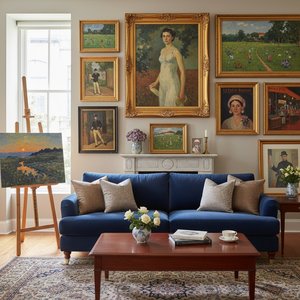
Uronite u svijet Édouarda Maneta! Otkrijte 25 remek-djela impresionizma, priče iza slika poput 'Le Déjeuner' i 'Olympie', te pronađite inspiraciju za luksuzni interijer. Reprodukcije vrhunske kvalitete na Most-Famous-Paintings.com.

Explore the life & art of Édouard Manet, a pivotal figure bridging Realism and Impressionism. Discover his revolutionary techniques, controversial masterpieces like 'Olympia,' and lasting impact on modern art history.
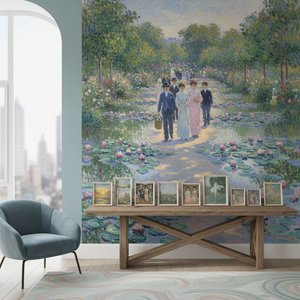
Otkrijte 10 remek-djela impresionizma koja su obilježila umjetnički svijet! Monet, Renoir, Degas i drugi majstori – istražite priče iza slika koje definiraju pokret. Inspirirajte se za dekoraciju interijera s Most-Famous-Paintings.com - vrhunskim reprodukcijama i kuriranih ideja.

Journey through Impressionism's heart with 10 iconic paintings by Monet, Renoir & Degas. Explore light, color & the stories behind these masterpieces. Find museum-quality art reproductions and elevate your home decor on Most-Famous-Paintings.com.

Explore the captivating world of Édouard Cortès, 'The Painter of Paris'. Discover his iconic street scenes, unique style & lasting legacy. Expert insights for collectors and art enthusiasts.


Budite u tijeku s najnovijim umjetničkim vijestima, ekskluzivnim ponudama i idejama za dekoraciju.
Recite nam nešto o svom projektu, a naši će stručnjaci za umjetnost pripremiti 3 personalizirana prijedloga umjetnina.
Dopustite nam da odaberemo 3 opcije samo za Vas – Besplatno!


 Pregledaj u stvarnoj veličini
 Pošalji
 Podijeli
 Detalji o umjetničkom djelu

 Preuzmi
 Slični predmeti
 Rentgenska snimka
 Automatska prezentacija
 Prikaži više







 Opcija stakla dostupna je samo za dimenzije manje od 110 cm


