x

Giclée tisak muzejske kvalitete ili otisak na platnu uz brzu proizvodnju i fleksibilne opcije završne obrade. ( Kupi ručno naslikanu sliku Kupi digitalnu sliku)





























Odaberite jednu od naših unaprijed definiranih veličina koje odgovaraju izvornim proporcijama umjetničkog djela.

Možete unijeti vlastite dimenzije kako biste umjetničko djelo prilagodili specifičnom okviru ili prostoru. Ako odabrana veličina ne odgovara proporcijama izvornog rada, izrezat ćemo dio slike ili je proširiti pomoću ogledalnog efekta ili jednobojne rubne površine. Digitalni prikaz (mockup) bit će vam poslan na odobrenje prije početka proizvodnje.
Imajte na umu da pregled na zaslonu ne odražava stvarno izrezivanje ili proširivanje. Samo će mockup točno prikazati konačnu kompoziciju.
Iako su dostupne prilagođene veličine, preporučujemo odabir dimenzije iz unaprijed definirane liste kako biste očuvali izvorne proporcije.
Dostava širom svijeta () u roku od 2 tjedna umjesto standardnih 4/5 tjedana. (18 Kolovoz)


Epimetheus and Pandora
Veličina reprodukcije
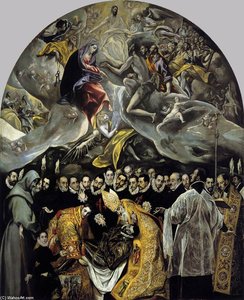
El Greco's 'Epimetheus and Pandora', completed around 1600-1610, stands as a singular achievement within the artistic landscape of Renaissance Spain. More than just a depiction of Greek mythology—the tale of Epimetheus, Prometheus’s brother, tragically opening Pandora’s Box unleashing chaos upon humanity—it embodies El Greco's distinctive style and profound engagement with spiritual themes. This monumental wood relief sculpture transcends mere representation; it pulsates with an emotional intensity that foreshadowed movements like Expressionism decades later.
El Greco, born Doménikos Theotokópoulos in Crete, possessed a remarkable ability to synthesize influences from Byzantium and Venice into something utterly his own. Trained initially in the Byzantine tradition—characterized by meticulous detail and reverence for religious iconography—he swiftly embraced experimentation, propelling him toward groundbreaking artistic innovations. His signature “Krḗs” – Cretan – served as a defiant assertion of identity amidst the cosmopolitan currents of Rome and Madrid.
The sculpture’s execution is masterful. El Greco employed polychrome wood relief, utilizing pigments meticulously applied to create luminous surfaces that capture the drama of the mythological scene. The artist's brushstrokes are expansive and expressive, conveying movement and emotion with remarkable subtlety. Unlike the polished surfaces favored by many contemporaries, El Greco prioritized textural richness—the subtle variations in color and sheen—to heighten the visual impact.
The sculpture powerfully communicates the narrative of Pandora's Box. The female figure, poised with a gesture suggesting communication or contemplation, directs her gaze toward the male statue holding a ball—a symbol representing Epimetheus’s folly. This juxtaposition underscores the central theme: humanity’s susceptibility to evil and the inescapable consequences of curiosity. El Greco skillfully captures the psychological tension inherent in this mythic confrontation.
'Epimetheus and Pandora' continues to fascinate viewers today, not merely for its adherence to classical sculptural conventions but for its ability to evoke profound contemplation about human nature. El Greco’s artistic vision—characterized by spiritual depth and emotional fervor—remains remarkably relevant, inviting us to revisit the enduring power of myth and art to illuminate our understanding of existence.

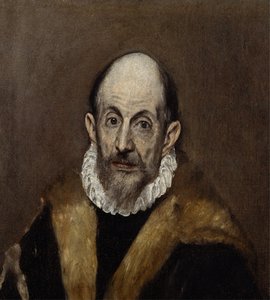
1541 - 1614 , Grčka
Explore the dramatic transition from High Renaissance harmony to Mannerist tension. Discover how masters like El Greco redefined art through distortion and spiritual intensity. An expert guide for art enthusiasts seeking deep historical context and museum-quality inspiration.

Explore the profound history of sculpture, from classical realism to modern abstraction. Discover the mastery of form, texture, and medium through an expert art-historical lens designed for discerning collectors and enthusiasts.


Budite u tijeku s najnovijim umjetničkim vijestima, ekskluzivnim ponudama i idejama za dekoraciju.
Recite nam nešto o svom projektu, a naši će stručnjaci za umjetnost pripremiti 3 personalizirana prijedloga umjetnina.
Dopustite nam da odaberemo 3 opcije samo za Vas – Besplatno!


 Pregledaj u stvarnoj veličini
 Pošalji
 Podijeli
 Detalji o umjetničkom djelu

 Preuzmi
 Slični predmeti
 Rentgenska snimka
 Automatska prezentacija

 Prikaži više







 Opcija stakla dostupna je samo za dimenzije manje od 110 cm