x


 Naručite reprodukciju Kupi digitalnu sliku
 Pošalji
 Detalji o umjetničkom djelu
 Dodaj u omiljene
 Preuzmi
 Slični predmeti
 Rentgenska snimka
 Automatska prezentacija
 Akril na platnuZidna umjetnostRenaissance
 1571Renesansa
 58.0 x 86.0 cm
 Museo Nazionale di Capodimonte
Giclée tisak muzejske kvalitete ili otisak na platnu uz brzu proizvodnju i fleksibilne opcije završne obrade.





























Odaberite jednu od naših unaprijed definiranih veličina koje odgovaraju izvornim proporcijama umjetničkog djela.

Možete unijeti vlastite dimenzije kako biste umjetničko djelo prilagodili specifičnom okviru ili prostoru. Ako odabrana veličina ne odgovara proporcijama izvornog rada, izrezat ćemo dio slike ili je proširiti pomoću ogledalnog efekta ili jednobojne rubne površine. Digitalni prikaz (mockup) bit će vam poslan na odobrenje prije početka proizvodnje.
Imajte na umu da pregled na zaslonu ne odražava stvarno izrezivanje ili proširivanje. Samo će mockup točno prikazati konačnu kompoziciju.
Iako su dostupne prilagođene veličine, preporučujemo odabir dimenzije iz unaprijed definirane liste kako biste očuvali izvorne proporcije.
Dostava širom svijeta () u roku od 2 tjedna umjesto standardnih 4/5 tjedana. (20 Srpanj)


Giulio Clovio
Veličina reprodukcije
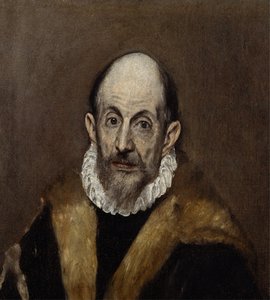
Doménikos Theotokópoulos, universally known as El Greco, remains one of the most singularly captivating figures in Western art history. His canvases pulse with an almost unbearable intensity – a blend of Byzantine spirituality and fervent emotion that continues to resonate centuries later. Within his oeuvre, few portraits capture this unique spirit quite like “Giulio Clovio,” painted in 1571, a work commissioned by the influential Cardinal Alessandro Farnese during El Greco’s time in Rome. More than simply a likeness, this painting offers a profound glimpse into the world of Renaissance scholarship, artistic patronage, and the meticulous craftsmanship that defined the era.
The subject himself, Giulio Clovio (1498-1578), was a celebrated miniaturist, often dubbed “the Michelangelo of the miniature” by the esteemed Giorgio Vasari. His skill lay not in grand landscapes or dramatic narratives, but in the painstaking creation of incredibly detailed illuminated manuscripts – intricate works that demanded an unparalleled level of precision and artistic vision. Clovio’s influence on El Greco is immediately apparent; the artist subtly incorporates elements of Clovio's meticulous style into his depiction, most notably through the inclusion of a window backdrop reminiscent of Clovio’s own work. The painting’s historical context is rich: commissioned during a period of intense artistic and intellectual ferment in Rome, it speaks to the patronage system that fueled much of Renaissance creativity – a world where artists were employed by powerful figures like Farnese, shaping both art and culture.
“Giulio Clovio” is not merely a portrait; it’s a carefully constructed tableau brimming with symbolic detail. The subject himself, rendered in a dignified pose, holds his magnum opus – the “Farnese Hours,” a monumental illuminated manuscript that showcased Clovio's unparalleled skill. This inclusion isn’t accidental; it underscores Clovio’s importance and elevates the portrait to a celebration of artistic achievement. Beyond the central figure, subtle yet significant details populate the scene. Note the two birds perched near the top left corner and on the right side of the frame – these aren't mere decorative elements but likely represent concepts of wisdom and vigilance, frequently employed in Renaissance symbolism. The stormy sky glimpsed through the window adds a layer of depth and perhaps even foreshadows Clovio’s own life, marked by both triumph and adversity.
El Greco’s distinctive style is powerfully evident. His elongated forms, characteristic of his later work, lend a sense of dynamism to the portrait, while his use of vibrant colors – particularly in the rich fabrics of Clovio's robe – creates an immediate visual impact. The background, with its detailed landscape and dramatic sky, serves as a foil to the subject’s stillness, drawing the viewer’s eye and emphasizing the contrast between the man and his world. The painting exemplifies El Greco’s ability to imbue even a seemingly straightforward portrait with profound emotional resonance – a testament to his unique artistic vision.
“Giulio Clovio” stands as a pivotal work in El Greco's career, bridging the gap between his early Byzantine influences and his increasingly expressive style. It’s a painting that speaks volumes about the Renaissance fascination with both scholarship and artistry, demonstrating how these two realms could be intertwined within the patronage of powerful figures like Alessandro Farnese. The painting’s journey through history – from its initial commission to its current residence in the Museo Nazionale di Capodimonte – adds another layer of intrigue to its story.
Most-Famous-Paintings is proud to offer meticulously hand-painted reproductions of “Giulio Clovio,” capturing the essence of El Greco’s genius with unparalleled accuracy and detail. Each reproduction is created by skilled artists using traditional techniques, ensuring that you receive a faithful representation of this iconic masterpiece. Whether you're an art enthusiast, collector, or simply seeking to add a touch of Renaissance elegance to your home, our “Giulio Clovio” reproductions provide a beautiful and authentic way to experience the enduring legacy of El Greco. Explore additional works by El Greco on Most-Famous-Paintings.com – including "El Greco (Doménikos Theotokopoulos): Giulio Clovio" and "El Greco (Doménikos Theotokopoulos): Giulio Clovio" – for a deeper appreciation of his remarkable artistic journey.

1541 - 1614 , Grčka

Uronite u svijet El Greca! Otkrijte 25 remek-djela španjolskog renesansnog genija. Istražite povijest, stil i tehniku ovih ikoničnih slika. Kupite reprodukcije visoke kvalitete za vaš dom na Most-Famous-Paintings.com

Istražite 25 najpoznatijih remek-djela Metropolitana u New Yorku! Otkrijte priče Van Gogha, Moneta i drugih majstora. Inspirirajte se za dekoraciju doma s luksuznim reprodukcijama slika na Most-Famous-Paintings.com.

Explore 10 iconic portrait paintings – from Mona Lisa to Van Gogh’s self-portraits. Discover the stories behind these masterpieces, artistic techniques & find museum-quality art reproductions for your home at Most-Famous-Paintings.com.
Otkrijte 25 remek-djela Nacionalne galerije u Washingtonu! Istražite priče iza Cézannea, Matissea i Picassa. Inspirirajte se za dekoraciju doma s luksuznim reprodukcijama slika na Most-Famous-Paintings.com.
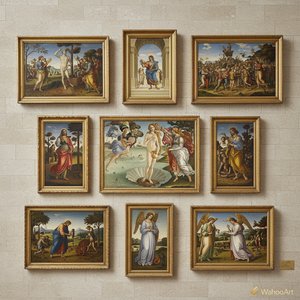
Otkrijte 10 remekdjela koje su definirala ranu renesansu! Leonardo, Michelangelo i Botticelli – istražite priče iza ovih genijalnih djela. Inspirirajte svoj dom umjetnošću. Kupujte reprodukcije na Most-Famous-Paintings.com!


Budite u tijeku s najnovijim umjetničkim vijestima, ekskluzivnim ponudama i idejama za dekoraciju.
Recite nam nešto o svom projektu, a naši će stručnjaci za umjetnost pripremiti 3 personalizirana prijedloga umjetnina.
Dopustite nam da odaberemo 3 opcije samo za Vas – Besplatno!


 Podijeli

 Prikaži više







 Opcija stakla dostupna je samo za dimenzije manje od 110 cm