x

Ručno oslikano uljanim bojama na platnu u dimenzijama i okviru po vašem izboru, izrađeno po narudžbi od strane naših umjetnika. ( Kupi print Kupi digitalnu sliku)





























Odaberite jednu od naših unaprijed definiranih veličina koje odgovaraju izvornim proporcijama umjetničkog djela.

Možete unijeti vlastite dimenzije kako bi odgovarale određenom okviru ili prostoru. Ako odabrana veličina ne odgovara proporcijama izvorne slike, izrezat ćemo umjetničko djelo ili proširiti sliku dodatnim ručno oslikanim elementima. Digitalni nacrt bit će vam poslan na odobrenje prije početka proizvodnje.
Imajte na umu da pregled na ekranu ne prikazuje stvarno izrezivanje ili proširivanje. Samo će nacrt točno prikazati konačni sastav.
Iako su dostupne prilagođene veličine, preporučujemo odabir dimenzije s preddefiniranog popisa kako bismo očuvali izvorne proporcije.
Isporuka širom svijeta () u roku od 3-4 tjedna umjesto standardnih 5 tjedana. (19 Kolovoz). Bez kompromisa u kvaliteti.


The Repentant St. Peter
Veličina reprodukcije
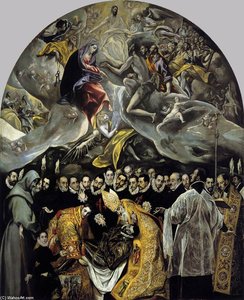
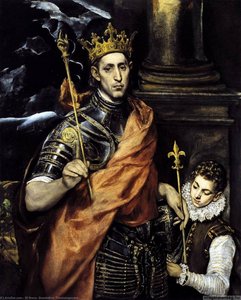
Domenikos Theotokopoulos, universally known as El Greco—“the Greek”—stands as one of the most singular and intensely felt figures in art history. Born in Candia (modern-day Crete) in 1541, his life was a vibrant tapestry woven from Byzantine traditions, Venetian influences, and ultimately, the fiery spirit of Spain. “The Repentant St. Peter,” painted around 1605, is not merely a depiction of a biblical scene; it’s a visceral embodiment of remorse, faith, and the profound struggle between earthly failings and divine grace—a testament to El Greco's unique ability to infuse religious subject matter with an almost unbearable emotional intensity.
The painting immediately commands attention through its dramatic use of chiaroscuro – the stark contrast between light and shadow. El Greco masterfully employs this technique, plunging the viewer into a world of deep darkness punctuated by brilliant highlights that sculpt the figure of St. Peter with startling realism. This isn’t simply an artistic choice; it mirrors the psychological drama unfolding within the scene—the overwhelming weight of guilt and the desperate yearning for redemption. The dark background, adorned with subtly rendered foliage, serves to isolate the saint, intensifying his isolation and emphasizing the gravity of his repentance.
El Greco’s distinctive style is instantly recognizable—a radical departure from the prevailing Renaissance ideals. His figures are elongated, almost impossibly so, with limbs that stretch and twist in a way that defies anatomical accuracy. This deliberate distortion isn't an error; it’s a conscious decision to convey heightened emotion and spiritual intensity. The figure of St. Peter is no longer a solid, grounded presence; he appears to be dissolving into the darkness, his body contorted in agony as he kneels in prayer. This elongated form, coupled with his flickering brushwork—a technique that creates an almost vibrating sense of movement—is a hallmark of El Greco’s oeuvre and anticipates elements of Expressionism centuries later.
The composition itself is strikingly intimate. El Greco eschews the traditional, grand scale often associated with religious paintings, opting instead for a close-up view that forces the viewer to confront St. Peter's suffering directly. This immediacy—the feeling that we are witnessing a deeply personal moment of confession—is profoundly affecting. The crossed keys, symbols of his role as the first Pope and keeper of Heaven’s gates, hang heavy with significance, representing both his past failures and his renewed commitment to faith.
“The Repentant St. Peter” is deeply rooted in the religious and artistic traditions of its time. El Greco drew heavily on Byzantine iconography, particularly the use of halos and the depiction of saints in moments of intense spiritual struggle. However, he transformed these conventions into something entirely his own—a highly personal expression of faith filtered through a uniquely tormented soul. The painting’s creation coincided with El Greco's period in Toledo, Spain, where he found a receptive audience for his emotionally charged works and established a lasting legacy. Duncan Phillips famously categorized El Greco as a “baroque way,” recognizing his stylistic innovations as precursors to both classical order and romantic emotion – a testament to the artist’s profound influence on subsequent generations of artists.
The painting's placement within The Phillips Collection, alongside works by other masters like Rembrandt and Van Gogh, highlights El Greco’s position as a pivotal figure in art history. His ability to evoke such raw emotion through his distinctive style continues to resonate with viewers today, making “The Repentant St. Peter” not just a beautiful painting but a powerful meditation on faith, guilt, and the enduring human capacity for redemption.
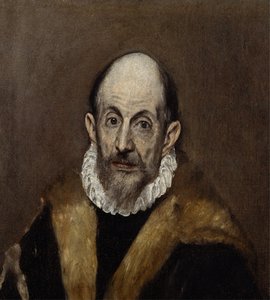
1541 - 1614 , Grčka
Explore the dramatic transition from High Renaissance harmony to Mannerist tension. Discover how masters like El Greco redefined art through distortion and spiritual intensity. An expert guide for art enthusiasts seeking deep historical context and museum-quality inspiration.

Explore the profound elegance of Baroque Classicism. Discover how 17th-century masters synthesized dramatic emotion with classical order through the lens of the Counter-Reformation and the works of legends like Carlo Maratta and Andrea Sacchi.

Explore the profound drama of Spanish Baroque art. Delve into the mastery of light, shadow, and realism through the legendary works of Diego Velázquez and the Spanish Golden Age with our expert-led historical guide.


Budite u tijeku s najnovijim umjetničkim vijestima, ekskluzivnim ponudama i idejama za dekoraciju.
Recite nam nešto o svom projektu, a naši će stručnjaci za umjetnost pripremiti 3 personalizirana prijedloga umjetnina.
Dopustite nam da odaberemo 3 opcije samo za Vas – Besplatno!


 Pregledaj u stvarnoj veličini
 Pošalji
 Podijeli
 Detalji o umjetničkom djelu

 Preuzmi
 Slični predmeti
 Rentgenska snimka
 Automatska prezentacija

 Prikaži više







 Opcija stakla dostupna je samo za dimenzije manje od 110 cm