


x


 Naručite reprodukciju Kupi digitalnu sliku
 Pošalji
 Detalji o umjetničkom djelu
 Dodaj u omiljene
 Preuzmi
 Slični predmeti
 Rentgenska snimka
 Automatska prezentacija
 Acrylic On CanvasWallArtImpressionistic Landscape
 1919
1919 157.0 x 206.0 cm
 Art Gallery of New South Wales
Giclée tisak muzejske kvalitete ili otisak na platnu uz brzu proizvodnju i fleksibilne opcije završne obrade.





























Odaberite jednu od naših unaprijed definiranih veličina koje odgovaraju izvornim proporcijama umjetničkog djela.

Možete unijeti vlastite dimenzije kako biste umjetničko djelo prilagodili specifičnom okviru ili prostoru. Ako odabrana veličina ne odgovara proporcijama izvornog rada, izrezat ćemo dio slike ili je proširiti pomoću ogledalnog efekta ili jednobojne rubne površine. Digitalni prikaz (mockup) bit će vam poslan na odobrenje prije početka proizvodnje.
Imajte na umu da pregled na zaslonu ne odražava stvarno izrezivanje ili proširivanje. Samo će mockup točno prikazati konačnu kompoziciju.
Iako su dostupne prilagođene veličine, preporučujemo odabir dimenzije iz unaprijed definirane liste kako biste očuvali izvorne proporcije.
Dostava širom svijeta () u roku od 2 tjedna umjesto standardnih 4/5 tjedana. (21 Srpanj)


Spring frost
Veličina reprodukcije
Elioth Gruner's "Spring Frost," painted in 1919, isn’t merely a depiction of a rural scene; it’s an immersion into the very essence of Australian light and landscape. This evocative work, now residing within the Art Gallery of New South Wales, captures a fleeting moment – the nascent warmth of early morning breaking over a pastoral vista—with a remarkable sensitivity to atmosphere and texture. Gruner, a pivotal figure in Australian Impressionism, masterfully translates the raw beauty of the Emu Plains countryside into a painting that resonates with both serenity and vibrant energy.
The scene unfolds before us: a small herd of dairy cows stands bathed in the soft glow of the rising sun, their forms rendered with a loose, expressive brushstroke. The foreground is dominated by a field of grass, its texture achieved through short, choppy strokes that seem to shimmer with reflected light. Beyond this immediate focus, the eye drifts into a hazy distance, where rolling hills and a muted sky create an expansive sense of space. Gruner’s choice of palette—a symphony of earthy browns, ochres, and subtle blues—evokes the cool tones of dawn while simultaneously injecting warmth through the golden highlights that dance across the cows' hides and the dew-kissed grasses.
Gruner’s technique is deeply rooted in the Impressionist tradition, yet he possesses a distinctly Australian sensibility. He wasn’t simply aiming to replicate what he saw; instead, he sought to capture the *feeling* of that moment—the crispness of the air, the warmth on the skin, and the transformative power of light. His use of broken color, characteristic of Impressionism, creates a sense of movement and vibrancy within the painting. The colors aren’t blended smoothly; rather, they are applied in small, distinct strokes, allowing each hue to retain its individual identity and contribute to the overall luminosity of the scene.
Notably, Gruner was influenced by Max Meldrum's theories on color and light, a prominent figure in early 20th-century Australian art. Meldrum’s emphasis on “tone” – the fundamental quality of light—guided Gruner to prioritize capturing the subtle shifts in illumination across the landscape. This pursuit is evident in the painting’s masterful rendering of shadows and highlights, which create a dynamic interplay of form and atmosphere.
"Spring Frost" isn't just a beautiful landscape; it’s also a poignant reflection on rural life in early 20th-century Australia. The presence of the cows—symbols of industry, sustenance, and connection to the land—underscores the importance of agriculture within the Australian identity. The solitary figure of the farmer, subtly integrated into the scene, suggests a quiet dignity and a deep understanding of his environment. This painting offers a glimpse into a world where life was intimately connected to the rhythms of nature.
Beyond its representational qualities, “Spring Frost” is rich in symbolism. The title itself—"Spring Frost"—evokes a sense of delicate beauty and transient grace. The frost, barely perceptible yet undeniably present, hints at the fragility of life and the ephemeral nature of beauty. The painting’s overall mood is one of peaceful contemplation, inviting the viewer to slow down, appreciate the simple pleasures of rural existence, and connect with the natural world.
Reproductions of “Spring Frost” capture a significant portion of this original atmosphere. The artwork's enduring appeal lies in its ability to transport us to a bygone era—a time when life moved at a slower pace and the beauty of the Australian landscape was deeply revered. It remains a cornerstone of Australian art, embodying both the artistic innovation of its creator and the timeless allure of the bush.


1882 - 1939 , Novi Zeland

Explore 25 iconic Sir Alfred Munnings paintings! Discover the beauty of British Impressionism, equine art & rural England. Find museum-quality reproductions and elevate your home decor with Most-Famous-Paintings. Explore the full collection online.

Istražite 25 najpoznatijih remek-djela Metropolitana u New Yorku! Otkrijte priče Van Gogha, Moneta i drugih majstora. Inspirirajte se za dekoraciju doma s luksuznim reprodukcijama slika na Most-Famous-Paintings.com.
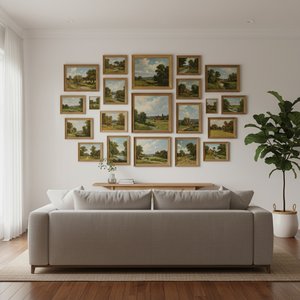
Uronite u svijet John Constabla! Otkrijte 25 remek-djela engleskog romantizma i pejzaža. Ekskluzivne reprodukcije slika, zidna dekoracija & inspiracija za dizajn interijera na Most-Famous-Paintings.com. Istražite cijelu kolekciju online!
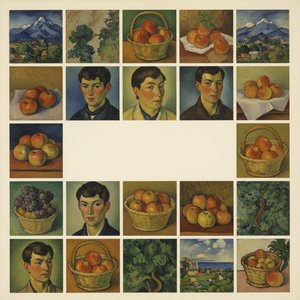
Uronite u svijet Paula Cézanna! Otkrijte 25 remek-djela impresionizma i postimpresionizma. Saznajte priče iza slika, tehnike i inspiracije ovog francuskog umjetnika. Reprodukcije vrhunske kvalitete dostupne na Most-Famous-Paintings.com
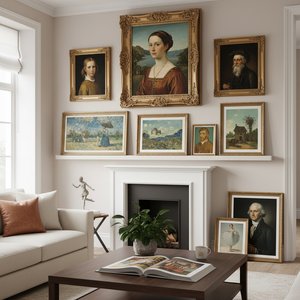
Otkrijte 25 remek-djela Nacionalne galerije u Washingtonu! Istražite priče iza Cézannea, Matissea i Picassa. Inspirirajte se za dekoraciju doma s luksuznim reprodukcijama slika na Most-Famous-Paintings.com.


Budite u tijeku s najnovijim umjetničkim vijestima, ekskluzivnim ponudama i idejama za dekoraciju.
Recite nam nešto o svom projektu, a naši će stručnjaci za umjetnost pripremiti 3 personalizirana prijedloga umjetnina.
Dopustite nam da odaberemo 3 opcije samo za Vas – Besplatno!


 Podijeli

 Prikaži više







 Opcija stakla dostupna je samo za dimenzije manje od 110 cm


