


x

 Acrylic On CanvasWallArtGerman Expressionism
 1928
1928 72.0 x 92.0 cm
 Staatliche Kunstsammlungen
Ručno oslikano uljanim bojama na platnu u dimenzijama i okviru po vašem izboru, izrađeno po narudžbi od strane naših umjetnika. ( Kupi print Kupi digitalnu sliku)





























Odaberite jednu od naših unaprijed definiranih veličina koje odgovaraju izvornim proporcijama umjetničkog djela.

Možete unijeti vlastite dimenzije kako bi odgovarale određenom okviru ili prostoru. Ako odabrana veličina ne odgovara proporcijama izvorne slike, izrezat ćemo umjetničko djelo ili proširiti sliku dodatnim ručno oslikanim elementima. Digitalni nacrt bit će vam poslan na odobrenje prije početka proizvodnje.
Imajte na umu da pregled na ekranu ne prikazuje stvarno izrezivanje ili proširivanje. Samo će nacrt točno prikazati konačni sastav.
Iako su dostupne prilagođene veličine, preporučujemo odabir dimenzije s preddefiniranog popisa kako bismo očuvali izvorne proporcije.
Isporuka širom svijeta () u roku od 3-4 tjedna umjesto standardnih 5 tjedana. (23 Kolovoz). Bez kompromisa u kvaliteti.


Davoser Café
Veličina reprodukcije
Ernst Ludwig Kirchner’s “Davoser Café,” painted in 1928, isn't merely a depiction of a bar scene; it’s a vibrant, almost frenetic snapshot of early 20th-century social life—a moment frozen in time within the bustling heart of Davos. Created during a period of rapid societal change and artistic experimentation, this oil on canvas offers a compelling glimpse into the anxieties and exhilarations of a modernizing Germany through Kirchner’s signature Expressionist lens.
Kirchner, a pivotal figure in the Die Brücke group, sought to capture not just appearances but the raw emotional essence of his subjects. He wasn't interested in replicating reality with photographic precision; instead, he employed bold colors, distorted forms, and dynamic brushstrokes to convey a sense of urgency and psychological intensity. “Davoser Café” exemplifies this approach perfectly, transforming a commonplace setting into a powerful expression of human interaction.
The painting immediately draws the eye with its crowded composition—a swirling mass of figures engaged in various activities: reading newspapers, sipping coffee, conversing animatedly. Kirchner masterfully utilizes perspective to create a sense of depth, pulling the viewer into this lively tableau. The arrangement isn’t static; it feels like a continuous flow of movement, as if the scene is perpetually unfolding.
Kirchner’s use of color is profoundly expressive, moving far beyond mere representation. He employs a palette dominated by greens, blues, and ochres, colors often associated with unease, alienation, and the anxieties of modern life. These cool tones are juxtaposed with flashes of red and yellow, creating visual tension and highlighting key figures within the scene.
The greenish hues applied to the figures’ skin suggest a sense of detachment or even an otherworldly quality, while the sharp contrasts amplify the painting's emotional impact."Davoser Café" was painted during a period of immense social and political upheaval in Germany. The rise of industrialization, urbanization, and the increasing pace of life were contributing to feelings of alienation and uncertainty. Kirchner’s art reflects these anxieties, capturing the psychological impact of modernity on individuals within a rapidly changing world.
The painting's creation coincided with Kirchner's membership in Die Brücke, a group that sought to break away from traditional academic styles and explore new forms of artistic expression. Their work was often characterized by its emotional intensity, social critique, and rejection of bourgeois values. “Davoser Café” stands as a testament to this movement’s ambition and innovative spirit.
Beyond its immediate depiction of a café scene, "Davoser Café" can be interpreted as a meditation on the fragmented nature of modern identity. The blurred figures, the sense of anonymity, and the overall feeling of chaos suggest that individuals are increasingly isolated within the vastness of urban life.
The painting’s enduring power lies in its ability to evoke a complex range of emotions—a mixture of excitement, anxiety, and perhaps even a touch of melancholy. It's a poignant reminder of the challenges and complexities of navigating the modern world, rendered with Kirchner’s characteristic boldness and emotional intensity.

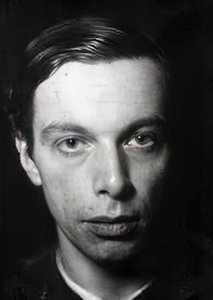
1880 - 1938 , Njemačka

Explore the visceral power of German Expressionism. From Ernst Ludwig Kirchner to Die Brücke, discover how bold colors and distorted forms unmask raw human emotion in this expert art history guide for collectors and enthusiasts.


Budite u tijeku s najnovijim umjetničkim vijestima, ekskluzivnim ponudama i idejama za dekoraciju.
Recite nam nešto o svom projektu, a naši će stručnjaci za umjetnost pripremiti 3 personalizirana prijedloga umjetnina.
Dopustite nam da odaberemo 3 opcije samo za Vas – Besplatno!


 Pregledaj u stvarnoj veličini
 Pošalji
 Podijeli
 Detalji o umjetničkom djelu

 Preuzmi
 Slični predmeti
 Rentgenska snimka
 Automatska prezentacija
 Prikaži više







 Opcija stakla dostupna je samo za dimenzije manje od 110 cm


