x

 Kupi otisak Kupi digitalnu sliku
 Pošalji
 Detalji o umjetničkom djelu
 Dodaj u omiljene
 Preuzmi
 Slični predmeti
 Rentgenska snimka
 Automatska prezentacija
Ručno oslikano uljanim bojama na platnu u dimenzijama i okviru po vašem izboru, izrađeno po narudžbi od strane naših umjetnika.





























Odaberite jednu od naših unaprijed definiranih veličina koje odgovaraju izvornim proporcijama umjetničkog djela.

Možete unijeti vlastite dimenzije kako bi odgovarale određenom okviru ili prostoru. Ako odabrana veličina ne odgovara proporcijama izvorne slike, izrezat ćemo umjetničko djelo ili proširiti sliku dodatnim ručno oslikanim elementima. Digitalni nacrt bit će vam poslan na odobrenje prije početka proizvodnje.
Imajte na umu da pregled na ekranu ne prikazuje stvarno izrezivanje ili proširivanje. Samo će nacrt točno prikazati konačni sastav.
Iako su dostupne prilagođene veličine, preporučujemo odabir dimenzije s preddefiniranog popisa kako bismo očuvali izvorne proporcije.
Isporuka širom svijeta () u roku od 3-4 tjedna umjesto standardnih 5 tjedana. (18 Srpanj). Bez kompromisa u kvaliteti.


Marzella
Veličina reprodukcije
Ernst Ludwig Kirchner’s “Marzella,” painted in 1909, is more than just a portrait; it's a raw distillation of the anxieties and emotional currents swirling through early Expressionism. This oil on panel work immediately confronts the viewer with a figure – a woman rendered with unsettling intensity – set against a deliberately stark background. The composition itself feels charged, a visual representation of inner turmoil. Kirchner’s masterful use of color—dominant yellows punctuated by deep blues and greens—amplifies this sense of unease, reflecting not just the physical environment but also the psychological state of the subject.

Kirchner’s technique is central to the painting's impact. He employs bold, gestural brushstrokes, deliberately distorting forms to convey emotion rather than adhering to realistic representation. The woman’s face, particularly her eyes, are rendered with an almost feverish intensity, drawing the viewer into a world of subjective experience. Notice how the lines of her clothing and hair seem to vibrate with energy, contributing to the overall sense of agitation. This deliberate distortion aligns perfectly with the Expressionist movement's core philosophy: to express inner feelings through art, often at the expense of objective reality.
"Marzella" was created during a period of profound social and artistic change in Germany. The late 19th and early 20th centuries witnessed rapid industrialization, urbanization, and a growing sense of alienation. Kirchner and his fellow Expressionists responded to these changes by rejecting the prevailing academic styles and seeking new ways to represent the human condition. The painting reflects the anxieties surrounding modernity, the breakdown of traditional values, and the increasing isolation experienced by individuals in an increasingly complex world. It’s a key work demonstrating the shift away from Impressionism towards a more subjective and emotionally charged artistic vision.
Beyond its technical brilliance, “Marzella” is rich in symbolic meaning. The woman's bowed head and melancholic gaze suggest a deep sadness or perhaps a sense of resignation. The yellow background, often associated with anxiety and madness, further intensifies the painting’s emotional impact. Kirchner wasn’t simply depicting a portrait; he was attempting to capture a fleeting moment of profound psychological intensity. “Marzella” continues to resonate with viewers today because it taps into universal themes of loneliness, despair, and the struggle for identity – emotions that remain powerfully relevant in our own time.

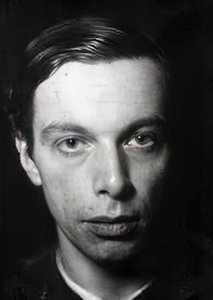
1880 - 1938 , Njemačka

Explore 10 iconic portrait paintings – from Mona Lisa to Van Gogh’s self-portraits. Discover the stories behind these masterpieces, artistic techniques & find museum-quality art reproductions for your home at Most-Famous-Paintings.com.
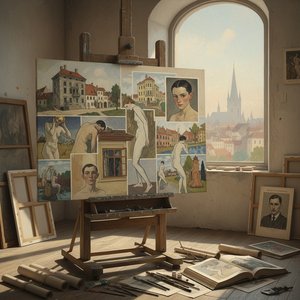
Istražite 25 najpoznatijih djela Egona Schielea! Otkrijte ekspresionističke portrete, autoportrete i simbolizam u austrijskoj umjetnosti. Kvalitetne reprodukcije slika za vaš dom na Most-Famous-Paintings.com.
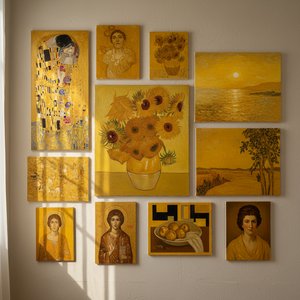
Explore 10 iconic paintings bathed in golden yellow ochre! From Van Gogh's sunflowers to Monet’s haystacks, discover the stories behind these masterpieces. Find museum-quality art reproductions & elevate your home decor on .

Uronite u svijet Claude Moneta s 25 najpoznatijih remek-djela impresionizma. Otkrijte priče iza slika, tehnike i inspiraciju ovog francuskog umjetnika. Kupite visokokvalitetne reprodukcije na Most-Famous-Paintings.com i uljepšajte svoj dom!

Uronite u svijet Paula Cézanna! Otkrijte 25 remek-djela impresionizma i postimpresionizma. Saznajte priče iza slika, tehnike i inspiracije ovog francuskog umjetnika. Reprodukcije vrhunske kvalitete dostupne na Most-Famous-Paintings.com


Budite u tijeku s najnovijim umjetničkim vijestima, ekskluzivnim ponudama i idejama za dekoraciju.
Recite nam nešto o svom projektu, a naši će stručnjaci za umjetnost pripremiti 3 personalizirana prijedloga umjetnina.
Dopustite nam da odaberemo 3 opcije samo za Vas – Besplatno!


 Podijeli


 Prikaži više







 Opcija stakla dostupna je samo za dimenzije manje od 110 cm