x

Giclée tisak muzejske kvalitete ili otisak na platnu uz brzu proizvodnju i fleksibilne opcije završne obrade. ( Kupi ručno naslikanu sliku Kupi digitalnu sliku)





























Odaberite jednu od naših unaprijed definiranih veličina koje odgovaraju izvornim proporcijama umjetničkog djela.

Možete unijeti vlastite dimenzije kako biste umjetničko djelo prilagodili specifičnom okviru ili prostoru. Ako odabrana veličina ne odgovara proporcijama izvornog rada, izrezat ćemo dio slike ili je proširiti pomoću ogledalnog efekta ili jednobojne rubne površine. Digitalni prikaz (mockup) bit će vam poslan na odobrenje prije početka proizvodnje.
Imajte na umu da pregled na zaslonu ne odražava stvarno izrezivanje ili proširivanje. Samo će mockup točno prikazati konačnu kompoziciju.
Iako su dostupne prilagođene veličine, preporučujemo odabir dimenzije iz unaprijed definirane liste kako biste očuvali izvorne proporcije.
Dostava širom svijeta () u roku od 2 tjedna umjesto standardnih 4/5 tjedana. (15 Kolovoz)


Emotion (study)
Veličina reprodukcije
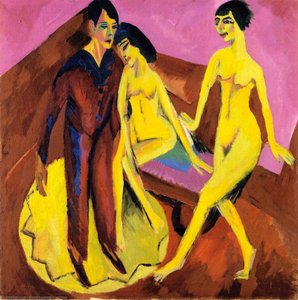
“Emotion (Study)” by Ferdinand Hodler is a captivating artwork that exemplifies the artist's mastery of capturing human emotion within a natural setting. Created in 1902, this oil painting showcases Hodler’s signature style and embodies the essence of Art Nouveau with its flowing lines and organic forms.
Ferdinand Hodler (1853-1918) was a Swiss painter renowned for his ability to portray everyday people in harmonious connection with nature. He sought to express the underlying rhythms of life, believing that parallel lines could represent both natural forms and human relationships. Hodler’s work often explored themes of solitude, community, and the cyclical nature of existence. “Emotion (Study)” is a prime example of his exploration of interpersonal dynamics and emotional states.
The painting depicts two women standing close together in a field, their postures conveying a sense of shared emotion. One woman clasps her hands together, suggesting introspection or anxiety, while the other holds her hands up to her face, perhaps expressing concern or empathy. Hodler’s use of color is striking; the green and blue dresses of the women complement the natural surroundings, creating a harmonious visual experience. The background features a grassy area that adds depth to the composition. Hodler's technique involves loose brushstrokes and a flattened perspective, characteristic of Post-Impressionism. This approach lends the painting a dreamlike quality, emphasizing the emotional rather than the purely representational aspects of the scene.
While seemingly simple in its depiction, “Emotion (Study)” is rich with symbolic meaning. The women's gestures suggest a complex interplay of emotions – perhaps worry, support, or shared vulnerability. The natural setting reinforces the idea of human connection within the larger world. Hodler’s use of parallel lines, a recurring motif in his work, can be interpreted as representing the interconnectedness of these two figures and their emotional bond. The painting evokes a sense of quiet contemplation and invites viewers to reflect on the nuances of human relationships and the power of unspoken emotions.
Hodler’s artistic legacy extends beyond “Emotion (Study).” Other notable works include "Rosebush in a Meadow" and "Little Girl Picking Flowers," both demonstrating his skill in capturing the beauty of nature and the human experience. “Emotion (Study)” is housed at the Villa Flora in Switzerland, a museum dedicated to Art Nouveau pieces. Today, handmade oil painting reproductions of “Emotion (Study)” are available, allowing art enthusiasts to appreciate Hodler’s profound exploration of emotion and connection.


1853 - 1918 , Švicarska

Explore the profound history and technical brilliance of oil on panel painting. From Renaissance masters to modern techniques, discover why this rigid support offers unparalleled precision and permanence for fine art lovers and collectors.


Budite u tijeku s najnovijim umjetničkim vijestima, ekskluzivnim ponudama i idejama za dekoraciju.
Recite nam nešto o svom projektu, a naši će stručnjaci za umjetnost pripremiti 3 personalizirana prijedloga umjetnina.
Dopustite nam da odaberemo 3 opcije samo za Vas – Besplatno!


 Pregledaj u stvarnoj veličini
 Pošalji
 Podijeli
 Detalji o umjetničkom djelu

 Preuzmi
 Slični predmeti
 Rentgenska snimka
 Automatska prezentacija

 Prikaži više







 Opcija stakla dostupna je samo za dimenzije manje od 110 cm