


x

 Preview
 Kupi otisak Kupi digitalnu sliku
 Pošalji
 Detalji o umjetničkom djelu
 Dodaj u omiljene
 Preuzmi
 Slični predmeti
 Rentgenska snimka
 Automatska prezentacija
Ručno oslikano uljanim bojama na platnu u dimenzijama i okviru po vašem izboru, izrađeno po narudžbi od strane naših umjetnika.
Odaberite jednu od naših unaprijed definiranih veličina koje odgovaraju izvornim proporcijama umjetničkog djela.

Možete unijeti vlastite dimenzije kako bi odgovarale određenom okviru ili prostoru. Ako odabrana veličina ne odgovara proporcijama izvorne slike, izrezat ćemo umjetničko djelo ili proširiti sliku dodatnim ručno oslikanim elementima. Digitalni nacrt bit će vam poslan na odobrenje prije početka proizvodnje.
Imajte na umu da pregled na ekranu ne prikazuje stvarno izrezivanje ili proširivanje. Samo će nacrt točno prikazati konačni sastav.
Iako su dostupne prilagođene veličine, preporučujemo odabir dimenzije s preddefiniranog popisa kako bismo očuvali izvorne proporcije.
Isporuka širom svijeta () u roku od 3-4 tjedna umjesto standardnih 5 tjedana. (26 Srpanj). Bez kompromisa u kvaliteti.


Derrure
Veličina reprodukcije
Fernand Léger's 1933 drawing, *Derrure*, is more than just an intricate depiction of gears and machinery; it’s a profound meditation on the burgeoning relationship between humanity and technology. Executed in stark black and white, the artwork captures a dizzying close-up view of a complex mechanical device – a machine rendered with Léger's signature style that sought to reconcile the dynamism of modern life with a distinctly representational approach. The image immediately draws the viewer into a world of interlocking cogs, rotating shafts, and precisely crafted components, suggesting a relentless, almost hypnotic rhythm.
*Derrure* was created during the height of Léger’s career as a leading figure in the Parisian avant-garde. His work emerged from a period of intense social and technological change – the rise of industrialization, urbanization, and the increasing dominance of machines in daily life. Léger wasn't merely documenting this shift; he was actively engaging with it, seeking to translate its essence into his art. Tubism, initially developed alongside Pablo Picasso, aimed to capture the fragmented, multi-faceted forms of modern objects, particularly those found in factories and urban environments. This approach reflected a broader artistic movement that sought to break away from traditional representational styles and embrace new ways of seeing the world.
The drawing’s composition echoes Léger's interest in capturing the *movement* inherent within these mechanical systems. The overlapping gears, the suggestion of rotation, and the overall sense of organized chaos convey a powerful feeling of energy and dynamism – a visual representation of the machine’s relentless operation.
Beyond its technical brilliance, *Derrure* carries significant symbolic weight. The machine itself represents progress, industry, and the transformative power of technology. However, Léger doesn't present this as a purely celebratory image. There’s an underlying sense of unease, a feeling that the relentless drive of machinery is both exhilarating and potentially overwhelming. The intricate detail invites contemplation about humanity’s role within this increasingly mechanized world.
The inclusion of a clock within the drawing adds another layer of meaning, referencing time – a fundamental element in the operation of any machine, but also a symbol of human mortality and the passage of time. The stark black and white palette amplifies the emotional impact, creating a dramatic contrast that emphasizes the mechanical forms and evokes a sense of both fascination and apprehension.
Fernand Léger’s *Derrure* stands as a testament to his innovative approach to modern art. It exemplifies his ability to translate the complexities of the machine age into a visually compelling and intellectually stimulating work. This drawing, produced in 1933, offers a unique window into the artistic concerns of its time – a period marked by rapid technological advancement and profound social change. Its enduring appeal lies not only in its technical mastery but also in its poignant exploration of humanity’s relationship with the forces shaping our world.
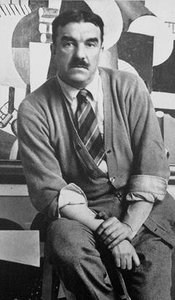
1881 - 1955 , Francuska

Explore 10 Cubist masterpieces by Picasso, Braque & more! Discover the stories behind these revolutionary paintings and their impact on modern art. Find museum-quality reproductions for your home at Most-Famous-Paintings.com – where art comes to life.

Explore the art of transforming spaces with our comprehensive guide to wall decor. From historical movements to contemporary trends, discover how to curate impactful interiors and commission bespoke artwork for a truly personalized aesthetic.

Explore 10 revolutionary Cubist portraits by Picasso, Braque & more! Discover the stories behind these iconic paintings and how they shaped modern art. Find museum-quality reproductions to elevate your home decor on Most-Famous-Paintings.com.
Explore 10 defining Cubist Expressionism masterpieces by Picasso, Braque & more. Discover the stories behind these bold, geometric paintings and bring museum-quality art to your home with Most-Famous-Paintings.com. Explore the full collection online.

Delve into the power of 'Ivory Black' with 10 iconic paintings by masters like Rembrandt & Caravaggio. Explore dramatic chiaroscuro, gothic moods & timeless art history. Find museum-quality reproductions and elevate your home decor at


Budite u tijeku s najnovijim umjetničkim vijestima, ekskluzivnim ponudama i idejama za dekoraciju.
Recite nam nešto o svom projektu, a naši će stručnjaci za umjetnost pripremiti 3 personalizirana prijedloga umjetnina.
Dopustite nam da odaberemo 3 opcije samo za Vas – Besplatno!


 Podijeli


 Prikaži više




































 Opcija stakla dostupna je samo za dimenzije manje od 110 cm


