


x


 Kupi otisak Naručite reprodukciju
 Pošalji
 Detalji o umjetničkom djelu
 Dodaj u omiljene
 Preuzmi
 Slični predmeti
 Rentgenska snimka
 Automatska prezentacija
Kupite digitalnu sliku visoke rezolucije i poboljšane kvalitete, koja je znatno superiornija od online prikaza.
Svaka datoteka pedantno je pripremljena od strane naših internih stručnjaka koristeći napredne alate i vještinsku ručnu retušu. Osiguravamo da svaka slika ima iznimnu jasnoću, preciznu točnost boja i visoku razinu detalja.
Konačna datoteka dostavlja se putem e-pošte u roku od 72 sata, optimizirana za neposrednu upotrebu u profesionalnim, uredničkim i tiskarskim okruženjima. To je ista kvaliteta kojoj vjeruju vrhunski studiji dizajna, izdavači i galerije.
Preuzmite datoteku visoke rezolucije za osobnu izložbu, tisak i kreativne projekte.
Odabirom Most-Famous-Paintings.com ne dobivate samo sliku – dobivate profesionalno unapređeno digitalno umjetničko djelo, izrađeno s najvećom preciznošću uz jamstvo zadovoljstva. Evo svega što automatski dolazi uz vašu narudžbu:

Vaša digitalna slika visoke rezolucije bit će vam poslana e-mailom u roku od 72 sata od narudžbe – spremna za neposrednu upotrebu.

Vaše umjetničko djelo profesionalno je optimizirano pomoću naprednih AI alata i ručnog uređivanja, čime se osigurava maksimalna razina detalja, oštrine i točnosti boja.

Slučajno ste obrisali ili izgubili svoju datoteku? Ne brinite – ponovno ćemo vam je poslati u bilo kojem trenutku, potpuno besplatno.

Uživajte u svojim umjetničkim djelima trenutno, bez carina, pristojbi ili troškova dostave – digitalne datoteke uvijek su oslobođene poreza.

Uz pomoć profesionalnih alata i upravljanja bojama, osiguravamo da vaša digitalna slika što vjernije odražava izvorne boje.

Ako niste zadovoljni svojom digitalnom slikom, revidirat ćemo je ili vratiti 100% novca u roku od 60 dana – bez ikakvih pitanja.

Niste zadovoljni? Osigurajte puni povrat novca u roku od 60 dana od primitka vaše digitalne datoteke – bez suvišnih pitanja.

Kupite 3 slike, uštedite 10% - Kupite 5 slika, uštedite 15% - Kupite 10+ slika, uštedite 20%. Odlično za kreativne projekte, galerije i agencije.
Fernand Léger's “Eiffel Tower,” painted around 1927, offers a captivating glimpse into the artist’s unique vision of the burgeoning modern world. This striking black and white cityscape isn’t merely a depiction of Paris; it’s a carefully constructed tableau reflecting Léger’s fascination with industrial forms and his distinctive approach to Naïve Art – a style he championed that blended elements of Primitivism with a deliberate, almost childlike clarity. The painting immediately draws the eye to the monumental presence of the Eiffel Tower, rendered with a bold, geometric simplification that emphasizes its structural essence rather than romanticized beauty. Léger’s use of flattened perspective and simplified shapes contributes to an overall sense of dynamism, mirroring the rapid changes occurring in urban life during this period.
Léger’s artistic journey began in rural Normandy before he moved to Paris, where he was profoundly influenced by the rise of industrialization. He deliberately rejected traditional academic techniques, opting instead for a style characterized by bold outlines, simplified forms, and a vibrant use of color – though this particular rendition is monochrome, the underlying principles remain consistent with his broader oeuvre. This “Naïve Art” approach wasn’t about creating an illusion of reality; it was about distilling the *essence* of objects and experiences into their most fundamental shapes. The inclusion of smaller towers scattered throughout the scene reinforces this concept – each a self-contained, geometric unit contributing to the overall composition.
The painting’s subject matter—the Eiffel Tower itself—holds significant symbolic weight. Constructed for the 1889 World's Fair, it quickly became an emblem of Paris and France, representing technological progress and modernity. Léger’s interpretation elevates this symbol to something almost archetypal, stripping away extraneous detail to reveal its core structural identity. The lone figure in the painting adds another layer of interest, perhaps a solitary observer contemplating the scale and impact of this new urban landscape. This figure could be interpreted as an individual grappling with the changes brought about by industrialization – a theme central to Léger’s artistic concerns.
Created in 1927, “Eiffel Tower” exemplifies Léger's mature style, firmly rooted in his exploration of Naïve Art. The painting demonstrates a meticulous attention to detail within the simplified forms, showcasing his mastery of line and shape. It’s important to note that Léger was a key figure in the development of Cubism, though he ultimately diverged from its more abstract tendencies, retaining a connection to observable reality. This work reflects the broader artistic currents of the interwar period, a time of rapid technological advancement and social upheaval – themes powerfully articulated by Léger through his distinctive visual language.
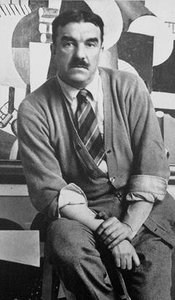
1881 - 1955 , Francuska


Budite u tijeku s najnovijim umjetničkim vijestima, ekskluzivnim ponudama i idejama za dekoraciju.
Recite nam nešto o svom projektu, a naši će stručnjaci za umjetnost pripremiti 3 personalizirana prijedloga umjetnina.
Dopustite nam da odaberemo 3 opcije samo za Vas – Besplatno!


 Podijeli


 Prikaži više


