x

Ručno oslikano uljanim bojama na platnu u dimenzijama i okviru po vašem izboru, izrađeno po narudžbi od strane naših umjetnika. ( Kupi print Kupi digitalnu sliku)





























Odaberite jednu od naših unaprijed definiranih veličina koje odgovaraju izvornim proporcijama umjetničkog djela.

Možete unijeti vlastite dimenzije kako bi odgovarale određenom okviru ili prostoru. Ako odabrana veličina ne odgovara proporcijama izvorne slike, izrezat ćemo umjetničko djelo ili proširiti sliku dodatnim ručno oslikanim elementima. Digitalni nacrt bit će vam poslan na odobrenje prije početka proizvodnje.
Imajte na umu da pregled na ekranu ne prikazuje stvarno izrezivanje ili proširivanje. Samo će nacrt točno prikazati konačni sastav.
Iako su dostupne prilagođene veličine, preporučujemo odabir dimenzije s preddefiniranog popisa kako bismo očuvali izvorne proporcije.
Isporuka širom svijeta () u roku od 3-4 tjedna umjesto standardnih 5 tjedana. (23 Kolovoz). Bez kompromisa u kvaliteti.


untitled (1612)
Veličina reprodukcije
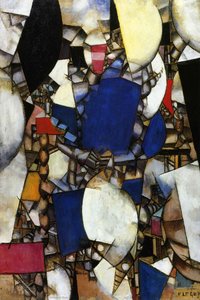
In the heart of the early twentieth century, as the gears of industry began to turn with an unstoppable rhythm, Fernand Léger captured the very pulse of a changing world. His work, exemplified by the captivating untitled (1612), serves as a crystallized snapshot of the anxieties and aspirations simmering beneath the surface of European society. Born in the agricultural landscapes of Normandy, Léger brought an inherent understanding of physicality and structure to his canvas. Moving away from the architectural precision he was initially trained for, he embraced the chaotic energy of Paris, transforming the mechanical and the mundane into a profound visual language. This piece is not merely a depiction of figures; it is an exploration of how humanity occupies space within the relentless pace of the machine age.
The composition itself is a masterclass in dynamic arrangement, featuring approximately twelve individuals caught in a web of seemingly disparate activities. Some figures recline in repose while others stand with a striking verticality, creating a rhythmic tension that defies conventional spatial boundaries. There is a sense of organized chaos here, where the placement of each person—some pressing toward the foreground and others receding into the depth—creates a complex, multi-layered narrative. For the discerning collector or interior designer, this painting offers a sophisticated focal point, bringing a sense of movement and structural complexity to any curated space.
To understand the soul of this work, one must look toward Léger’s revolutionary development of Tubism. This radical departure from traditional Cubism utilized simplified, tubular forms that echoed the sleek, metallic architecture of burgeoning industrial cities. By rejecting illusionistic representation in favor of geometric precision, Léger achieved a sense of structural permanence. In this painting, the use of color is nothing short of visceral; bold reds and brilliant yellows dominate the palette, acting as emotional anchors that command the viewer's attention. These primary tones do more than decorate the canvas—they amplify the emotional impact of the scene, injecting a sense of vitality and warmth into the geometric rigidity.
The technique relies on a deliberate rejection of soft edges, opting instead for a treatment of subject matter that feels both modern and populist. This approach, which many historians regard as a vital forerunner to Pop Art, allows the painting to remain accessible yet intellectually stimulating. The interplay between the heavy, rounded forms and the vibrant color fields creates a visual weight that is both grounding and energetic. It is this unique balance—the marriage of industrial strength with human diversity—that makes Légram’s work so enduringly relevant for contemporary decor.
For those seeking to infuse their environments with inspiration, a high-quality reproduction of this masterpiece offers more than just aesthetic beauty; it offers a connection to the avant-garde spirit. The painting’s ability to harmonize diverse elements—different ages, genders, and postures—mirrors the complexity of modern life itself. It serves as a conversation piece that invites contemplation on how we find our place within the larger structures of society. Whether placed in a minimalist gallery setting or a richly textured living space, the bold geometry and emotive palette of untitled (1612) provide an unparalleled sense of character and historical depth.

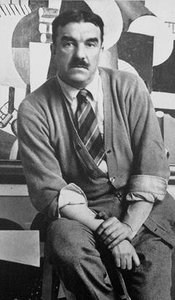
1881 - 1955 , Francuska

Explore the revolutionary world of Cubism. Discover how masters Pablo Picasso and Georges Braque dismantled reality through geometric abstraction to redefine modern art history.

Master the complexities of Geometric Abstraction. Our expert guide explores the evolution from Cubist deconstruction to Bauhaus precision, decoding the power of shape and form. Perfect for art students seeking deep historical context and academic insight into modern masterpieces.

Discover the profound intersection of geometry and emotion in Cubist Expressionism. Explore art history through our expert analysis of modern masters and find museum-quality, hand-painted oil reproductions of iconic masterpieces for your collection.

Explore the profound impact of Minimalism and Geometric Abstraction. From Mondrian to Malevich, discover how stripping art to its essential forms revolutionized modern aesthetics through our expert-led historical guide.


Budite u tijeku s najnovijim umjetničkim vijestima, ekskluzivnim ponudama i idejama za dekoraciju.
Recite nam nešto o svom projektu, a naši će stručnjaci za umjetnost pripremiti 3 personalizirana prijedloga umjetnina.
Dopustite nam da odaberemo 3 opcije samo za Vas – Besplatno!


 Pregledaj u stvarnoj veličini
 Pošalji
 Podijeli
 Detalji o umjetničkom djelu

 Preuzmi
 Slični predmeti
 Rentgenska snimka
 Automatska prezentacija

 Prikaži više







 Opcija stakla dostupna je samo za dimenzije manje od 110 cm