


x

 Oil On PanelInternational Gothic
 1480
1480 14.0 x 18.0 cm
 Muzej Isabelle Stewart Gardner
Giclée tisak muzejske kvalitete ili otisak na platnu uz brzu proizvodnju i fleksibilne opcije završne obrade. ( Kupi ručno naslikanu sliku Kupi digitalnu sliku)





























Odaberite jednu od naših unaprijed definiranih veličina koje odgovaraju izvornim proporcijama umjetničkog djela.

Možete unijeti vlastite dimenzije kako biste umjetničko djelo prilagodili specifičnom okviru ili prostoru. Ako odabrana veličina ne odgovara proporcijama izvornog rada, izrezat ćemo dio slike ili je proširiti pomoću ogledalnog efekta ili jednobojne rubne površine. Digitalni prikaz (mockup) bit će vam poslan na odobrenje prije početka proizvodnje.
Imajte na umu da pregled na zaslonu ne odražava stvarno izrezivanje ili proširivanje. Samo će mockup točno prikazati konačnu kompoziciju.
Iako su dostupne prilagođene veličine, preporučujemo odabir dimenzije iz unaprijed definirane liste kako biste očuvali izvorne proporcije.
Dostava širom svijeta () u roku od 2 tjedna umjesto standardnih 4/5 tjedana. (21 Kolovoz)


A Seated Scribe
Veličina reprodukcije
Gentile da Fabriano’s “A Seated Scribe” is more than just a portrait; it's a meticulously crafted window into the vibrant world of 15th-century Ottoman society. Painted around 1480, this exquisite work exemplifies the peak of the International Gothic style – a period renowned for its opulent detail, refined elegance, and profound sense of realism. The painting depicts a man immersed in his craft, a scribe diligently recording knowledge upon parchment, radiating an aura of authority and intellectual pursuit. The scene immediately transports us to a time of burgeoning scholarship and artistic patronage within the Ottoman Empire, a realm where literacy was highly valued and calligraphy held immense cultural significance.
At first glance, the composition is strikingly centered, drawing the viewer’s eye directly to the figure of the scribe. He occupies nearly the entire frame, his posture conveying both formality and intense concentration. The artist masterfully employs a slightly elevated viewpoint, as if observing him from a position of respect – a subtle gesture that elevates the subject beyond a mere depiction and imbues him with a sense of importance. The background, far from being merely decorative, is a carefully orchestrated tapestry of floral motifs and intricate calligraphic inscriptions, reflecting the scribe’s role as a guardian of knowledge and tradition within his community.
Da Fabriano's skill lies not just in capturing likeness but in executing a remarkably detailed and layered technique. The painting is executed in the style of Persian miniature painting, a method characterized by its painstaking precision, vibrant colors, and flattened perspective. Each element – from the folds of the scribe’s voluminous robe to the delicate quill pen held in his hand – is rendered with an astonishing level of detail. This meticulous approach creates a sense of depth and texture that invites close examination, revealing the artist's mastery of layering thin glazes of egg tempera upon a wooden panel.
The use of color is particularly noteworthy. The palette is rich and luminous, dominated by deep purples, vibrant reds, and shimmering golds – colors associated with royalty, wealth, and spiritual significance in Ottoman culture. The artist skillfully employs light and shadow to sculpt the figure’s form, creating a sense of three-dimensionality that belies the painting's flattened perspective. The subtle gradations of color and tone contribute significantly to the overall sense of realism and immediacy.
Beyond its technical brilliance, “A Seated Scribe” is laden with symbolic meaning. The scribe himself represents a cornerstone of Ottoman society – a keeper of knowledge, a recorder of history, and an embodiment of intellectual pursuits. His attire—the turban, the elaborate robe adorned with gold patterns, and the purple sash—underscores his elevated status and connection to the ruling elite. The open parchment before him symbolizes the transmission of wisdom and the continuity of tradition.
Furthermore, the inclusion of calligraphic inscriptions in the background reinforces the scribe’s role as a conduit between the material world and the realm of ideas. These inscriptions likely contain excerpts from religious texts or classical literature, highlighting the importance of learning and scholarship within Ottoman society. The very act of writing itself is imbued with spiritual significance, representing a connection to the divine and a commitment to preserving cultural heritage.
Created by the renowned Italian master Gentile da Fabriano in 1480, “A Seated Scribe” stands as a testament to the enduring power of art to capture both the beauty and complexity of human experience. Today, through meticulously crafted reproductions, this remarkable painting can be brought into homes and galleries around the world, offering a glimpse into the artistic traditions and cultural values of the Ottoman Empire. Its intricate detail, vibrant colors, and profound symbolism continue to inspire artists and collectors alike, ensuring that the legacy of Gentile da Fabriano endures for generations to come.


1370 - 1427 , Italija
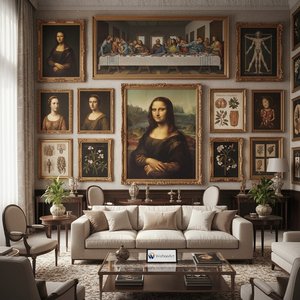
Uronite u svijet genija Leonarda da Vincija! Otkrijte 25 remek-djela renesanse – Mona Lisa, Posljednja večera i mnoge druge. Povijest umjetnosti, tehnike slikanja i inspiracija za vaš dom. Kupite reprodukcije vrhunske kvalitete na Most-Famous-Paintings.com

Explore Leonardo da Vinci’s timeless masterpieces with Most-Famous-Paintings. Discover insights into his art, science, and legacy – trusted expertise for discerning collectors seeking authentic reproductions & investment opportunities.

Explore 10 Renaissance Humanism masterpieces by Leonardo da Vinci, Michelangelo & Raphael. Discover the stories behind these iconic paintings & sculptures and bring timeless art into your home with museum-quality reproductions from Most-Famous-Paintings.com. Explore the full collection online!
Otkrijte 25 najpoznatijih remek-djela Louvrea! Mona Lisa, Venus Miloska i druge ikone francuske umjetnosti. Povijest, tehnika i inspiracija za dekoraciju doma s reprodukcijama vrhunske kvalitete na Most-Famous-Paintings.com.

Explore the groundbreaking art of Antonello da Messina, a pivotal figure of the Renaissance. Discover his innovative oil painting techniques, captivating portraits, and lasting influence on Italian masters. Learn more at Most-Famous-Paintings.


Budite u tijeku s najnovijim umjetničkim vijestima, ekskluzivnim ponudama i idejama za dekoraciju.
Recite nam nešto o svom projektu, a naši će stručnjaci za umjetnost pripremiti 3 personalizirana prijedloga umjetnina.
Dopustite nam da odaberemo 3 opcije samo za Vas – Besplatno!


 Pregledaj u stvarnoj veličini
 Pošalji
 Podijeli
 Detalji o umjetničkom djelu

 Preuzmi
 Slični predmeti
 Rentgenska snimka
 Automatska prezentacija
 Prikaži više







 Opcija stakla dostupna je samo za dimenzije manje od 110 cm


