Wishlist Vaša košarica Cart
Kupi otisak Kupi otisakKupi digitalnu sliku Kupi digitalnu sliku PošaljiPošalji
Detalji o umjetničkom djeluDetalji o umjetničkom djelu Dodaj u omiljene Dodaj u omiljene PreuzmiPreuzmi Slični predmetiSlični predmeti Rentgenska snimkaRentgenska snimka Automatska prezentacijaAutomatska prezentacija

Hope

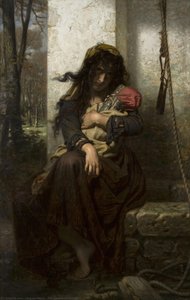
George Frederic Watts' 'Hope' (1886) depicts a blindfolded woman seeking solace in music amidst a desolate landscape, symbolizing resilience and enduring spirit.

Istražite simbolističko djelo Georgea Frederica Wattsa (1817-1904). Poznat po alegorijskim slikama poput 'Nade' i freskama, Watts je spojio klasične teme s viktorijanskom estetikom. Otkrijte njegova remek-djela na Most-Famous-Paintings.

Ručno rađena uljana reprodukcija

Ručno oslikano uljanim bojama na platnu u dimenzijama i okviru po vašem izboru, izrađeno po narudžbi od strane naših umjetnika.


P118B $10
P118H $10
P118W $10
P438Z $10
P508JH $12
P508YH $12
P805H $10
P805Z $10
P919BZ $10
P919G $10
P919XJ $10
P959ZH $10
P968JZ $12
W106C $8
W218G $10
W218JH $8
W218Y $10
W307PJ $10
W316G $10
W316PJ $8
W316Y $10
W398PJ $8
W4111J $10
W500HY $15
W500JH $15
W692G $12
W849H $8
W940BG $15
W953PJ $8

Standard
custom
CM
INCH

Odaberite jednu od naših unaprijed definiranih veličina koje odgovaraju izvornim proporcijama umjetničkog djela.

širina
visina

Možete unijeti vlastite dimenzije kako bi odgovarale određenom okviru ili prostoru. Ako odabrana veličina ne odgovara proporcijama izvorne slike, izrezat ćemo umjetničko djelo ili proširiti sliku dodatnim ručno oslikanim elementima. Digitalni nacrt bit će vam poslan na odobrenje prije početka proizvodnje.
Imajte na umu da pregled na ekranu ne prikazuje stvarno izrezivanje ili proširivanje. Samo će nacrt točno prikazati konačni sastav.
Iako su dostupne prilagođene veličine, preporučujemo odabir dimenzije s preddefiniranog popisa kako bismo očuvali izvorne proporcije.

Primjeri mogućnosti prilagodbe: Zamijenite lice fotografijom klijenta; Dodajte ljubimca (npr. zamijenite mačku psom); Uključite skrivenu poruku u pozadinu; Promijenite pejzaž ili elemente pozadine.
Nakon narudžbe, tim Most-Famous-Paintings.com kontaktirat će klijenta putem e-pošte radi dobivanja uputa te dostaviti probni prikaz (mockup).

Isporuka širom svijeta () u roku od 3-4 tjedna umjesto standardnih 5 tjedana. (18 Srpanj). Bez kompromisa u kvaliteti.

why_choose_icon
Besplatna ekspresna dostava širom svijeta
why_choose_icon
Visokokvalitetno laneno platno
why_choose_icon
Potpuno osiguranje dostave
why_choose_icon
Jamstvo povrata carine i uvoznih poreza
why_choose_icon
Garancija vjernog podudaranja boja
why_choose_icon
Politika povrata u roku od 60 dana (samo u slučaju nedostataka)
why_choose_icon
Jamstvo povrata 100% novca
why_choose_icon
Popust na više proizvoda

Ukupna cijena

-

reproduction

Hope

Tehnika reprodukcije

Veličina reprodukcije

-

Ukupna cijena

-

Osnovne informacije

  • Artist: George Frederic Watts
  • Dimensions: 111 x 142 cm
  • Medium: Oil on canvas
  • Movement: Symbolism
  • Influences: Greek sculpture
  • Subject or theme: Hope and resilience
  • Location: Watts Gallery, UK

Kviz o umjetnosti

Svako pitanje ima samo jedan točan odgovor.

Pitanje 1:
What artistic movement is George Frederic Watts most closely associated with?
Pitanje 2:
In the painting 'Hope,' what is the woman primarily depicted doing?
Pitanje 3:
What does the single string on the lyre in 'Hope' symbolize?
Pitanje 4:
According to the provided text, in what year was 'Hope' painted?
Pitanje 5:
What is the significance of the blindfold on the woman in 'Hope'?

Opis umjetničkog djela

A Silent Plea: Unpacking the Profound Beauty of George Frederic Watts’ “Hope”

George Frederic Watts' "Hope," painted in 1886, isn’t merely a portrait; it’s an embodiment of resilience, a visual meditation on the enduring spirit within the face of adversity. Completed in two distinct versions – one residing in a private collection and the other gracing the walls of Tate Britain – this oil painting transcends its subject matter to become a universal symbol of quiet determination and the tenacious pursuit of beauty amidst darkness. Watts, a pivotal figure in the Symbolist movement, masterfully eschews overt displays of optimism, instead offering a profoundly moving depiction of vulnerability and unwavering hope. The piece immediately draws the viewer in with its muted palette – predominantly deep blues, browns, and greys—creating an atmosphere of contemplative melancholy. Yet, within this somber backdrop, a single, luminous thread of light emerges, hinting at the enduring power of the human spirit.

The Figure and Her Burden

At the heart of “Hope” sits a woman, shrouded in a veil that obscures her face, yet radiating an undeniable sense of inner strength. She is seated upon a globe – a potent symbol of worldly concerns and the weight of existence – leaning forward with a delicate grace towards a frayed lyre. The posture itself speaks volumes: not one of frantic action or desperate yearning, but rather of patient listening, a quiet absorption of what remains. Her hands are clasped before her face, suggesting both introspection and a protective gesture, as if shielding herself from the overwhelming silence surrounding her. This isn’t a triumphant declaration of hope; it's a hesitant, almost fragile acceptance of its possibility. The artist deliberately avoids romanticizing suffering, presenting instead a raw and honest portrayal of vulnerability—a recognition that hope is not always loud or exuberant, but often whispers in the quiet corners of the soul.

Symbolism Woven into the Canvas: Music, Silence, and the Unseen

Watts’ genius lies in his masterful deployment of symbolism. The lyre itself is a key element, representing music—not just auditory pleasure, but also inspiration, memory, and connection to something beyond the tangible world. Crucially, it's only *one* string remaining intact; this deliberate sparseness underscores the precariousness of hope, suggesting that even in the darkest times, there remains a flicker of potential beauty. The globe beneath her symbolizes the vastness of experience, the challenges and responsibilities of life. The veil concealing her face is particularly significant – it represents the unknown, the uncertainties we all confront, and the willingness to embrace them with courage. Notably, Watts abandoned the star that initially graced the upper left corner of the first version, opting for a more austere presentation, suggesting that hope doesn’t require external validation or divine intervention; it resides within us.

Historical Context and Watts' Vision

Painted in 1886, “Hope” reflects the broader Symbolist movement’s fascination with spirituality, psychology, and the inner life. Watts was deeply influenced by his travels to Italy, particularly his exposure to Renaissance art and philosophy, which informed his belief that art should explore abstract ideas and emotions rather than simply depict reality. The painting emerged during a period of personal grief for Watts – his granddaughter had recently died – adding layers of emotional depth to the work. He sought to capture not just the *feeling* of hope, but its essence—its quiet persistence in the face of loss and uncertainty. The piece aligns with Watts’ broader project of creating a “House of Life,” a series of allegorical paintings intended to represent the totality of human experience.

An Enduring Legacy: Hope as Inspiration

“Hope” continues to resonate powerfully today, not just for its artistic merit but also for its timeless message. It’s a reminder that even in moments of profound sadness and despair, the capacity for hope remains—a fragile yet resilient thread connecting us to something larger than ourselves. Its influence extends beyond the art world; it has been cited as an inspiration by figures such as Barack Obama, who used the image's powerful symbolism in his 2008 campaign. Reproductions of “Hope” serve as potent reminders that even when faced with overwhelming challenges, a quiet determination to find beauty and meaning can sustain us through the darkest times. It’s a piece that invites contemplation, prompting viewers to consider their own sources of hope and resilience—a truly remarkable testament to the enduring power of the human spirit.

Biografija umjetnika

Rano život i obrazovanje

George Frederic Watts, istaknuta figura simbolističkog pokreta, rođen je 23. veljače 1817. u Maryleboneu, London. Njegovo rano djetinjstvo obilježili su krhko zdravlje i prerana gubitak majke. Wattsov otac, graditelj klavira, osigurao mu je konzervativno kršćansko obrazovanje i upoznao ga s klasikom, uključujući Iliadu. Taj klasični utjecaj kasnije će postati temelj njegovog umjetničkog stila.

Karijera

Watts je svoj umjetnički put započeo već s deset godina, učeći kiparstvo pod vodstvom Williama Behnesa. Kasnije se, sa šeznaest godina, upisao kao student u Royal Academy Schools. Njegova prva izložba u Akademiji 1837. godine označila je početak njegove plodne karijere.
  • Caractacus, crtež podnesen na natječaj za dizajn zidnih slika za novo Zgranje parlamenta, donio je Wattsu prvu nagradu 1843. godine.
  • Njegova naknadna putovanja u Italiju (1843.-1847.) i suradnja s britanskim veleposlanikom Henryjem Foxom utjecali su na njegov stil, što se vidi u njegovom portretu Lady Holland, izloženom 1848. godine.
  • Wattsov povratak u Britaniju doveo je do osvajanja posla za fresku u Zgradi parlamenta, koju je dovršio između predavanja 1848. i 1853. godine.

Simbolistička remek-djela

Wattsova najpoznatija djela uključuju:
  • "Nada" (Hope) i "Ljubav i život" (Love and Life), zamišljeni kao dio epskog simboličkog ciklusa pod nazivom "Kuća života" (House of Life).
  • "Trijumf crvenog viteza" (The Triumph of the Red Cross Knight), dovršen 1852.-53., koji prikazuje njegovo majstorstvo u alegorijskim temama.
  • Njegov portret glumice Ellen Terry, naslikan 1864. godine, primjer je njegove sposobnosti da uhvati samu bit svojih subjekata.

Naslijeđe

Wattsov utjecaj na umjetnički svijet je neosporan. Njegova povezanost sa simbolističkim pokretom te njegova inovativna upotreba boje i forme učinili su ga voljenom figurom u povijesti britanske umjetnosti. Pogledajte djela Georgea Frederica Wattsa na Most-Famous-Paintings.com

Muzeji koji prikazuju Wattsova djela

Saznajte više o Georgeu Fredericu Wattsu i njegovom doprinosu simbolističkom pokretu na Most-Famous-Paintings.com.
George Frederic Watts

George Frederic Watts

1817 - 1904 , Ujedinjeno Kraljevstvo
Osnovne informacije

  • Artistic Movement Or Style: Simbolizam
  • Artists Or Movements Influenced By This Artist:
    • Romantizam
    • Pre-rafaeliti
  • Artists Who Influenced This Artist:
    • William Behnes
    • Henry Fox
  • Date Of Birth: 23. veljače 1817.
  • Date Of Death: 1. srpnja 1904.
  • Full Name: George Frederic Watts
  • Nationality: Britanac
  • Notable Artworks: ['', 'Ljubav i život', 'Trijumf viteza Crvenog križa']
  • Place Of Birth: Marylebone, Ujedinjeno Kraljevstvo