x


 Preview
 Naručite reprodukciju Kupi digitalnu sliku
 Pošalji
 Detalji o umjetničkom djelu
 Dodaj u omiljene
 Preuzmi
 Slični predmeti
 Rentgenska snimka
 Automatska prezentacija
Giclée tisak muzejske kvalitete ili otisak na platnu uz brzu proizvodnju i fleksibilne opcije završne obrade.





























Odaberite jednu od naših unaprijed definiranih veličina koje odgovaraju izvornim proporcijama umjetničkog djela.

Možete unijeti vlastite dimenzije kako biste umjetničko djelo prilagodili specifičnom okviru ili prostoru. Ako odabrana veličina ne odgovara proporcijama izvornog rada, izrezat ćemo dio slike ili je proširiti pomoću ogledalnog efekta ili jednobojne rubne površine. Digitalni prikaz (mockup) bit će vam poslan na odobrenje prije početka proizvodnje.
Imajte na umu da pregled na zaslonu ne odražava stvarno izrezivanje ili proširivanje. Samo će mockup točno prikazati konačnu kompoziciju.
Iako su dostupne prilagođene veličine, preporučujemo odabir dimenzije iz unaprijed definirane liste kako biste očuvali izvorne proporcije.
Dostava širom svijeta () u roku od 2 tjedna umjesto standardnih 4/5 tjedana. (27 Srpanj)


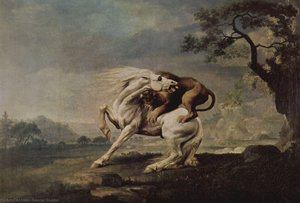
Finished study for
Veličina reprodukcije
George Stubbs' “Finished Study for The First Anatomical Table of the Muscles…of the Horse,” created in 1758, is far more than a mere scientific illustration; it’s a profound meditation on life, death, and the sublime beauty of the animal kingdom. This remarkably detailed graphite and charcoal drawing offers an intimate glimpse into the mind of one of history's most visionary artists, revealing not just the mechanics of equine anatomy but also Stubbs’ deep-seated fascination with capturing the essence of movement and emotion within his subjects.
Stubbs’ journey to this level of anatomical understanding was a deliberate one. Initially trained as a currier – a leatherworker – he recognized early on that true artistic representation demanded an intimate knowledge of the forms he sought to depict. He abandoned his family trade and, driven by an almost obsessive curiosity, apprenticed himself to Charles Atkinson, a surgeon at York County Hospital, immersing himself in the study of human anatomy. This foundational experience proved invaluable when he turned his attention to horses, creatures that had long captivated him. Stubbs’ relentless dissection of dozens of equine corpses – a practice considered somewhat morbid at the time – yielded an unparalleled understanding of muscle structure, skeletal alignment, and the subtle nuances of movement. The resulting drawings are not simply accurate representations; they are infused with a palpable sense of vitality.
“Finished Study” firmly places Stubbs within the burgeoning Romantic movement, a period characterized by an emphasis on emotion, imagination, and the power of nature. Unlike earlier depictions of horses that often prioritized idealized beauty or heroic narratives, Stubbs’ work focuses on the raw physicality of the animal – its strength, vulnerability, and inherent wildness. The skeletal structure is rendered with meticulous precision, yet it's not presented as a cold, lifeless arrangement. Instead, the lines suggest a dynamic tension, hinting at the potential for movement and action. The drawing anticipates the dramatic, almost theatrical compositions that would later define Romantic painting, particularly in Stubbs’ monumental equine paintings like “Whistlejacket.”
Furthermore, the choice of subject matter itself is significant. Horses were not merely beasts of burden or symbols of power; they represented a connection to the untamed wilderness – a realm of primal instinct and boundless energy. Stubbs' dedication to anatomical accuracy reflects a broader Romantic interest in understanding the natural world through scientific observation, but it’s coupled with an appreciation for the sublime—that feeling of awe and wonder inspired by confronting something vast and powerful.
The drawing’s power lies not only in its subject matter but also in Stubbs' masterful technique. The use of precise, linear hatching creates a remarkable sense of volume and depth, transforming the skeletal structure into a tangible presence on the page. Subtle variations in line density suggest the contours of muscle tissue beneath the bone, conveying a remarkable level of realism. The grayscale palette – devoid of color – emphasizes form and structure, lending the image an almost sculptural quality.
Beyond its technical merits, “Finished Study” carries symbolic weight. The depiction of death—represented through the skeletal remains—can be interpreted as a meditation on mortality and the cyclical nature of life. Yet, it’s not presented in a morbid light; rather, it serves to highlight the underlying beauty and inherent dignity of the animal form. The drawing ultimately celebrates the enduring power of nature and the artist's ability to capture its essence with both scientific rigor and artistic sensitivity.
George Stubbs’ “Finished Study for The First Anatomical Table of the Muscles…of the Horse” stands as a testament to his unparalleled skill and profound understanding of the animal world. It is a pivotal work in art history, bridging the gap between scientific observation and artistic expression. Reproductions of this remarkable drawing offer a unique opportunity to appreciate Stubbs’ genius and to contemplate the enduring power of nature—a timeless subject that continues to inspire artists and captivate audiences today.


1724 - 1806 , Ujedinjeno Kraljevstvo
Explore the captivating world of George Stubbs, the 18th-century master renowned for his anatomical precision & Romantic animal paintings. Discover his legacy and investment potential.
Explore the captivating equestrian art of John Nost Sartorius (1759-1828). Discover his detailed paintings of racehorses, hunting scenes & aristocratic life. Learn about collecting Sartorius's work and its lasting value.
Explore the life & work of Thomas Hudson, a leading 18th-century British portraitist. Discover his mastery of the 'Grand Manner,' influential style, and lasting impact on British art. Learn about his notable portraits like Judge William Noel & Alexander Van Aken.
Explore the fascinating world of Sarah Churchill, Countess of Essex, a pivotal figure in 18th-century art patronage. Discover her influence on Rococo aesthetics and portraiture, and learn about commissioning artworks as a statement of power & identity.
Explore the anatomical mastery of George B. Bridgman & his revolutionary figure drawing techniques. Discover how his methods transformed art instruction and continue to inspire artists today. Learn more at Most-Famous-Paintings.


Budite u tijeku s najnovijim umjetničkim vijestima, ekskluzivnim ponudama i idejama za dekoraciju.
Recite nam nešto o svom projektu, a naši će stručnjaci za umjetnost pripremiti 3 personalizirana prijedloga umjetnina.
Dopustite nam da odaberemo 3 opcije samo za Vas – Besplatno!


 Podijeli


 Prikaži više







 Opcija stakla dostupna je samo za dimenzije manje od 110 cm