
Prodajte svoju umjetnost
Lista želja Vaša košarica Cart
Pregledaj u stvarnoj veličiniPregledaj u stvarnoj veličini AR pregledAR pregled Kupi print Kupi printKupi digitalnu sliku Kupi digitalnu sliku PošaljiPošalji
Detalji o umjetničkom djeluDetalji o umjetničkom djelu Dodaj u omiljene Dodaj u omiljene PreuzmiPreuzmi Slični predmetiSlični predmeti Rentgenska snimkaRentgenska snimka Automatska prezentacijaAutomatska prezentacija

Metaphysical Triangle

Experience Giorgio de Chirico’s iconic Metaphysical Triangle, a haunting dreamscape featuring a solitary hand and chess piece against a surreal cityscape, embodying the artist's exploration of alienation and reality. Discover this captivating masterpiece and bring its enigmatic beauty into your space.

Giorgio de Chirico bio je italijanski umjetnik koji je osnovao metafizičku školu slikarstva i bio velik utjecaj na Surrealizam. Poznat po svojim dremljivim gradskim pejzažima, filozofskim temama i ikoničnim manekinama, De Chirico je jedan od najvažnijih predstavnika moderne umjetnosti.

Ručno rađena uljana reprodukcija

Ručno oslikano uljanim bojama na platnu u dimenzijama i okviru po vašem izboru, izrađeno po narudžbi od strane naših umjetnika. (Kupi print Kupi printKupi digitalnu sliku Kupi digitalnu sliku)

P118B $10
P118H $10
P118W $10
P438Z $10
P508JH $12
P508YH $12
P805H $10
P805Z $10
P919BZ $10
P919G $10
P919XJ $10
P959ZH $10
P968JZ $12
W106C $8
W218G $10
W218JH $8
W218Y $10
W307PJ $10
W316G $10
W316PJ $8
W316Y $10
W398PJ $8
W4111J $10
W500HY $15
W500JH $15
W692G $12
W849H $8
W940BG $15
W953PJ $8

Standard
custom
CM
INCH

Odaberite jednu od naših unaprijed definiranih veličina koje odgovaraju izvornim proporcijama umjetničkog djela.

širina
visina

Možete unijeti vlastite dimenzije kako bi odgovarale određenom okviru ili prostoru. Ako odabrana veličina ne odgovara proporcijama izvorne slike, izrezat ćemo umjetničko djelo ili proširiti sliku dodatnim ručno oslikanim elementima. Digitalni nacrt bit će vam poslan na odobrenje prije početka proizvodnje.
Imajte na umu da pregled na ekranu ne prikazuje stvarno izrezivanje ili proširivanje. Samo će nacrt točno prikazati konačni sastav.
Iako su dostupne prilagođene veličine, preporučujemo odabir dimenzije s preddefiniranog popisa kako bismo očuvali izvorne proporcije.

Primjeri mogućnosti prilagodbe: Zamijenite lice fotografijom klijenta; Dodajte ljubimca (npr. zamijenite mačku psom); Uključite skrivenu poruku u pozadinu; Promijenite pejzaž ili elemente pozadine.
Nakon narudžbe, tim Most-Famous-Paintings.com kontaktirat će klijenta putem e-pošte radi dobivanja uputa te dostaviti probni prikaz (mockup).

Isporuka širom svijeta () u roku od 3-4 tjedna umjesto standardnih 5 tjedana. (15 Kolovoz). Bez kompromisa u kvaliteti.

why_choose_icon
Besplatna ekspresna dostava širom svijeta
why_choose_icon
Visokokvalitetno laneno platno
why_choose_icon
Potpuno osiguranje dostave
why_choose_icon
Jamstvo povrata carine i uvoznih poreza
why_choose_icon
Garancija vjernog podudaranja boja
why_choose_icon
Politika povrata u roku od 60 dana (samo u slučaju nedostataka)
why_choose_icon
Jamstvo povrata 100% novca
why_choose_icon
Popust na više proizvoda

Ukupna cijena

$ 272

reproduction

Metaphysical Triangle

Tehnika reprodukcije

Veličina reprodukcije

-

Ukupna cijena

$ 272

Osnovne informacije

  • Influences:
    • Böcklin
    • Klinger
    • Nietzsche
  • Medium: Painting
  • Notable elements: Chess piece, clocks
  • Title: Metaphysical Triangle
  • Movement: Meta-Realism
  • Subject or theme: Existentialism, Alienation

Opis umjetničkog djela

A Frozen Moment of Existential Dread: De Chirico’s *Metaphysical Triangle*

Giorgio de Chirico's 1958 painting, *Metaphysical Triangle*, is not merely a depiction of a hand and a chess piece; it’s a meticulously crafted distillation of the anxieties and philosophical inquiries that defined the artist’s entire oeuvre. Executed during a period when de Chirico was increasingly reflecting on his earlier, more intensely surreal works, this piece embodies the core tenets of his “metaphysical painting” – a style characterized by unsettling juxtapositions, dreamlike atmospheres, and a profound exploration of the human condition.

  • The Composition: The scene unfolds with an almost unnerving stillness. A man’s hand, rendered with painstaking detail, reaches towards a solitary chess piece resting on a checkered board. This simple arrangement immediately evokes themes of strategy, control, and ultimately, the futility of human endeavor.
  • Architectural Echoes: The background is dominated by a classical building, reminiscent of Roman ruins – a frequent motif in de Chirico’s work, symbolizing decay, memory, and the weight of history. This architectural backdrop contributes to the painting's sense of alienation and detachment.
  • Temporal Disjunction: Two clocks punctuate the scene, one on the left and another towards the top right corner. These are not simply decorative elements; they represent the relentless march of time, a recurring obsession for de Chirico, highlighting the ephemeral nature of existence and the impossibility of truly grasping the present moment.

Deconstructing Reality: The Style and Technique of Metaphysical Painting

De Chirico’s technique is remarkably precise, almost photographic in its rendering of detail – a stark contrast to the hazy, dreamlike quality often associated with his earlier work. He employs a meticulous use of oil paint, layering thin glazes to achieve a luminous effect and creating sharp contrasts between light and shadow. This technical mastery allows him to amplify the unsettling nature of the scene, drawing the viewer into its disorienting space. The deliberate flatness of the picture plane, characteristic of early Cubism, further contributes to the painting’s sense of detachment from reality.

  • Color Palette: The muted color palette – dominated by browns, blues, and grays – reinforces the melancholic mood and adds to the overall feeling of isolation.
  • Linear Perspective: De Chirico masterfully manipulates linear perspective, creating a sense of spatial ambiguity that further destabilizes the viewer’s perception.

Symbolism and Philosophical Undercurrents

*Metaphysical Triangle* is saturated with symbolism rooted in de Chirico's philosophical influences. The chess piece itself can be interpreted as representing human ambition, strategic thinking, or even the illusion of control. The hand reaching out suggests a yearning for connection, understanding, or perhaps simply an attempt to impose order on a chaotic world. De Chirico was deeply influenced by thinkers like Nietzsche and Schopenhauer, who explored themes of nihilism, the will, and the subjective nature of reality. This painting reflects these ideas – it’s a visual representation of the anxieties inherent in confronting the absurdity of existence.

Emotional Resonance and Lasting Impact

More than just a visually striking image, *Metaphysical Triangle* possesses a profound emotional resonance. It evokes feelings of unease, disorientation, and perhaps even melancholy. De Chirico’s ability to capture these complex emotions through seemingly simple imagery is what makes this painting so enduringly powerful. A hand-painted reproduction offers the opportunity to bring this iconic work into your space, inviting contemplation and sparking dialogue about the fundamental questions of human existence – a testament to de Chirico's genius and his lasting impact on 20th-century art.

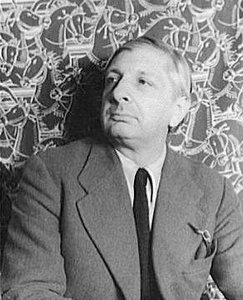
Biografija umjetnika

Giorgio de Chirico (1888–1978): The Architect of Dreamlike Landscapes

Giorgio de Chirico, born in Volos, Greece, on July 10th, 1888, to Italian parents—a Genoese mother and a Sicilian father—was an artist whose life was inextricably linked with the intellectual currents of his time. From a young age, he demonstrated an exceptional talent for drawing and painting, nurtured by a formal education at Athens Polytechnic where he honed his skills in classical techniques. However, it was his relocation to Munich in 1906 that truly propelled him onto the artistic stage, immersing him in the vibrant atmosphere of German Symbolism and fostering connections with artists like Arnold Böcklin and Max Klinger—figures whose haunting landscapes and symbolic imagery profoundly shaped his aesthetic sensibilities. These encounters instilled within him a fascination for mythology and a preoccupation with exploring the hidden realities beneath the surface of perception.

The Genesis of Metaphysical Art

Around 1909, de Chirico embarked on an unprecedented artistic endeavor: the creation of “Metaphysical” art—a style that defied conventional categorization and sought to capture the unsettling poetry residing within familiar spaces. Inspired by the philosophical writings of Friedrich Nietzsche, Arthur Schopenhauer, and Otto Weininger—who wrestled with questions of existentialism and the irrationality of human desire—he began to depict scenes populated by enigmatic figures and architectural elements rendered in jarring juxtapositions. His most iconic works, such as *The Vexations of the Thinker* and *The Enigma of an Autumn Afternoon*, exemplify this distinctive aesthetic: desolate cityscapes bathed in melancholic shadows, inhabited by mannequins and statues imbued with a palpable sense of loneliness—a visual language that resonated deeply with the anxieties of the era. This groundbreaking style quickly gained recognition within the artistic community, establishing him as a pioneer of Surrealism and influencing artists like René Magritte and Salvador Dalí.

A Collaborative Spirit & Early Recognition

In 1919, de Chirico moved to Paris alongside his brother Alberto Savinio—a partnership that proved pivotal in shaping their artistic trajectory. Together, they founded the Scuola Metafisica, a collective dedicated to exploring the metaphysical principles of art and challenging established conventions. Their initial exhibitions at the Salon d’Autoumne and Salon des Indépendants garnered critical acclaim and cemented their connections with influential figures like Guillaume Apollinaire—who penned one of his earliest biographical texts—and Paul Guillaume—who secured him his first commercial contract. Notably, he befriended Mario Tozzi, Massimo Campigli, Alberto Magnelli and Gino Severini, all Italian artists who were operating in Paris during this period.

Expanding Horizons & Embracing Surrealism

The Second World War interrupted de Chirico’s artistic pursuits but did not diminish his influence on the burgeoning Surrealist movement. He continued to paint prolifically, experimenting with diverse styles and subjects—from monumental sculptures inspired by classical mythology to intimate portraits reflecting a profound engagement with human psychology. His exploration of architectural spaces and enigmatic figures—recurring motifs in his oeuvre—became emblematic of Surrealism’s quest for dreamlike imagery and subconscious expression. Despite facing criticism from some quarters regarding the perceived decline in quality of his later works, de Chirico remained steadfast in his artistic convictions, revisiting themes from his formative years while maintaining a meticulous attention to craftsmanship and technical skill.

Legacy & Enduring Influence

Giorgio de Chirico’s contribution to art history transcends stylistic innovation; it represents a fundamental rethinking of perception and representation—a challenge to the accepted norms of Western painting that continues to inspire artists today. His pioneering exploration of metaphysical principles paved the way for Surrealism, influencing generations of creatives who sought to capture the elusive realm of dreams and unconsciousness. Beyond his artistic achievements, de Chirico’s intellectual engagement with Nietzsche and Schopenhauer—and his unwavering commitment to humanist values—solidified his place as a visionary artist whose work embodies the spirit of an era marked by profound philosophical questioning and aesthetic experimentation. His paintings remain treasured artifacts of 20th-century art, inviting viewers to contemplate the mysteries of existence and the transformative power of imagination.
Giorgio De Chirico

Giorgio De Chirico

1888 - 1978 , Грчка

Osnovne informacije

  • Artistic Movement Or Style: Metafizička umjetnost
  • Artists Who Influenced This Artist:
    • Arnold Böcklin
    • Max Klinger
    • Friedrich Nietzsche
  • Date Of Birth: 10 srpnja 1888.
  • Date Of Death: 20. studenoga 1978.
  • Full Name: Giorgio de Chirico
  • Nationality: Talijan
  • Notable Artworks:
    • The Vexations of the Thinker
    • The Enigma of an Autumn Afternoon
  • Place Of Birth: Volos, Grčka
Istražite umjetnička djela organizirana prema temama, stilovima i karakteristikama.




































