x

 Acrylic On CanvasWallArtProto Renaissance
 1306
1306 120.0 x 55.0 cm
Ručno oslikano uljanim bojama na platnu u dimenzijama i okviru po vašem izboru, izrađeno po narudžbi od strane naših umjetnika. ( Kupi print Kupi digitalnu sliku)





























Odaberite jednu od naših unaprijed definiranih veličina koje odgovaraju izvornim proporcijama umjetničkog djela.

Možete unijeti vlastite dimenzije kako bi odgovarale određenom okviru ili prostoru. Ako odabrana veličina ne odgovara proporcijama izvorne slike, izrezat ćemo umjetničko djelo ili proširiti sliku dodatnim ručno oslikanim elementima. Digitalni nacrt bit će vam poslan na odobrenje prije početka proizvodnje.
Imajte na umu da pregled na ekranu ne prikazuje stvarno izrezivanje ili proširivanje. Samo će nacrt točno prikazati konačni sastav.
Iako su dostupne prilagođene veličine, preporučujemo odabir dimenzije s preddefiniranog popisa kako bismo očuvali izvorne proporcije.
Isporuka širom svijeta () u roku od 3-4 tjedna umjesto standardnih 5 tjedana. (20 Kolovoz). Bez kompromisa u kvaliteti.


Infidelity
Veličina reprodukcije
Giotto di Bondone’s “Infidelity,” completed in 1306, stands as a cornerstone of Proto Renaissance art—a pivotal moment marking the decisive break from Byzantine formalism and ushering in an era defined by unprecedented realism and emotional resonance. Located within the Scrovegni Chapel in Padua, Italy, this monumental fresco transcends mere depiction; it embodies a profound exploration of moral virtue and its perilous vulnerability.
Prior to Giotto’s groundbreaking work, Byzantine art favored stylized figures, flattened perspectives, and opulent gold backgrounds—visual cues designed to elevate the spiritual realm above earthly concerns. Giotto vehemently rejected these conventions, prioritizing observation of the human form and environment. He meticulously studied anatomy and drapery folds, achieving a level of naturalism previously unattainable. The fresco’s technique involved applying pigment directly onto wet plaster, resulting in vibrant colors and remarkable textural detail—a revolutionary approach that would profoundly influence subsequent generations of artists.
The Scrovegni Chapel served as a commission for Enrico Scrovegni, a wealthy textile merchant who wished to honor his deceased wife. Giotto’s patronage reflects the burgeoning humanist spirit of the period, where intellectual curiosity and artistic innovation intersected with religious devotion. Padua was at the forefront of cultural revival, fostering an environment conducive to experimentation and challenging established dogma—conditions perfectly suited for Giotto's transformative vision.
“Infidelity” operates on multiple symbolic levels. The central figure embodies Faith, depicted with solemn dignity yet detached from the idol representing false beliefs. This idol is tethered to the saint’s robe by a string, symbolizing the inescapable influence of temptation and deceit. Above him lurks a malevolent demon, visually embodying evil and actively undermining spiritual purity—a deliberate juxtaposition designed to provoke contemplation on moral responsibility.
Giotto’s masterful portrayal captures not merely the visual appearance of his subjects but also their inner emotional state. The gaze of the saint conveys a palpable sense of sorrow and vulnerability, reflecting the profound consequences of succumbing to doubt. This emotive depth distinguishes “Infidelity” from earlier Byzantine art, establishing Giotto as a pioneer in conveying psychological realism—a legacy that continues to inspire artists and captivate audiences today.


1267 - 1337 , Italija
Explore the profound history and technical mastery of fresco painting. From ancient Roman murals to Michelangelo's Sistine Chapel, discover the enduring chemistry and artistry behind this timeless wall painting technique used by the world's greatest masters.

Explore the transformative era of the Proto-Renaissance. Discover how masters like Giotto broke from Byzantine traditions to introduce humanism, emotion, and naturalism, laying the foundation for modern art history.


Budite u tijeku s najnovijim umjetničkim vijestima, ekskluzivnim ponudama i idejama za dekoraciju.
Recite nam nešto o svom projektu, a naši će stručnjaci za umjetnost pripremiti 3 personalizirana prijedloga umjetnina.
Dopustite nam da odaberemo 3 opcije samo za Vas – Besplatno!


 Pregledaj u stvarnoj veličini
 Pošalji
 Podijeli
 Detalji o umjetničkom djelu

 Preuzmi
 Slični predmeti
 Rentgenska snimka
 Automatska prezentacija
 Prikaži više







 Opcija stakla dostupna je samo za dimenzije manje od 110 cm


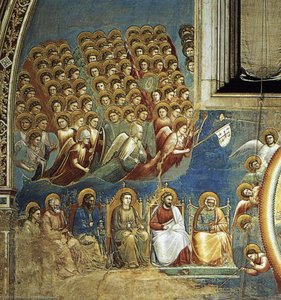
![Scrovegni - Last Judgment (detail) [03] — Giotto, Proto-renaissance](/media/artworks/images/thumbnails/3a/8d/3a8d38fa6f054e659e9d04930988a1b3.jpg)

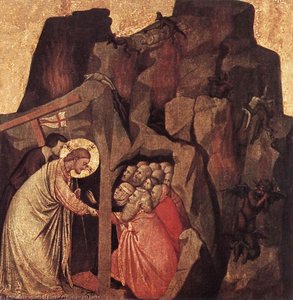
![Legend Of St Francis - [16] - Death Of The Knight Of Celano — Giotto, Proto Renaissance](/media/artworks/images/thumbnails/83/59/83593bb19f4241089d593124079fe901.jpg)