x

 Oil On PanelRenaissance
 1573
1573 76.0 x 64.0 cm
 Louvre
Giclée tisak muzejske kvalitete ili otisak na platnu uz brzu proizvodnju i fleksibilne opcije završne obrade. ( Kupi ručno naslikanu sliku Kupi digitalnu sliku)





























Odaberite jednu od naših unaprijed definiranih veličina koje odgovaraju izvornim proporcijama umjetničkog djela.

Možete unijeti vlastite dimenzije kako biste umjetničko djelo prilagodili specifičnom okviru ili prostoru. Ako odabrana veličina ne odgovara proporcijama izvornog rada, izrezat ćemo dio slike ili je proširiti pomoću ogledalnog efekta ili jednobojne rubne površine. Digitalni prikaz (mockup) bit će vam poslan na odobrenje prije početka proizvodnje.
Imajte na umu da pregled na zaslonu ne odražava stvarno izrezivanje ili proširivanje. Samo će mockup točno prikazati konačnu kompoziciju.
Iako su dostupne prilagođene veličine, preporučujemo odabir dimenzije iz unaprijed definirane liste kako biste očuvali izvorne proporcije.
Dostava širom svijeta () u roku od 2 tjedna umjesto standardnih 4/5 tjedana. (17 Kolovoz)


Summer
Veličina reprodukcije
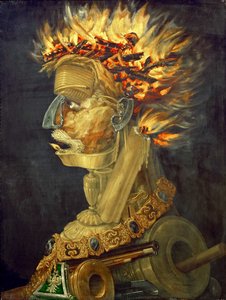
Giuseppe Arcimboldo’s “Summer,” painted in 1573, is not merely a portrait; it's an immersive allegory, a vibrant testament to the Renaissance fascination with nature, wealth, and the cyclical rhythms of life. This arresting image immediately captivates with its audacious composition: a figure, largely obscured by a dense profusion of fruits, vegetables, grains, and foliage, dominates the canvas. It’s a visual feast, a carefully constructed puzzle where each element—the blushing apples, the plump pears, the sturdy wheat stalks—contributes to a larger narrative of prosperity and fertility. The tight cropping, focusing intently on the upper torso and head, intensifies the impact, drawing the viewer into this extraordinary tableau.
Arcimboldo’s genius lies in his masterful manipulation of materials and technique. Executed in oil on wood panel, the painting showcases an astonishing level of detail. Lines delineate the contours of each fruit and vegetable with precision, while subtle shading and layering create a remarkable sense of texture – you can almost feel the rough skin of an onion or the yielding flesh of a peach. The lighting, emanating from a single, unseen source, casts delicate shadows that imbue the scene with depth and three-dimensionality, lending a tangible quality to this fantastical assemblage.
To understand “Summer,” one must consider the intellectual climate of 16th-century Italy. The Renaissance was a period of profound transformation, marked by a renewed interest in classical antiquity and a burgeoning spirit of humanism. Arcimboldo’s work reflects this shift, blending artistic skill with symbolic representation. The profusion of produce isn't simply decorative; it speaks to the importance of agriculture and harvest – vital elements of Renaissance society. The image directly aligns with the era’s preoccupation with themes of abundance, wealth, and the interconnectedness of humanity and nature. It’s a visual embodiment of the belief that earthly prosperity reflected divine favor.
Furthermore, Arcimboldo's work was often commissioned by powerful figures like Rudolf II, Holy Roman Emperor, who appreciated his ability to create complex allegories within seemingly simple portraits. The choice of fruits and vegetables held specific meanings – wheat symbolized fertility and abundance, grapes represented joy and celebration, while garlic signified protection and good health. The image functioned as a visual language, communicating ideas about power, status, and the natural order.
Beyond its historical context, “Summer” resonates with a powerful emotional depth. The obscured face of the figure creates an intriguing sense of mystery – who is this person? The overwhelming abundance can be interpreted as both celebratory and slightly unsettling, hinting at the potential excesses of wealth and power. The image evokes a feeling of being immersed in nature, surrounded by its bounty, yet simultaneously aware of the fleeting nature of beauty and the inevitability of decay.
Arcimboldo’s innovative approach to portraiture challenged conventional notions of representation, transforming the human form into an elaborate still life. “Summer” stands as a testament to his artistic vision—a captivating blend of realism, symbolism, and sheer visual inventiveness that continues to fascinate viewers centuries later. It's a work that invites contemplation, prompting us to consider the relationship between humanity, nature, and the enduring power of art.

1527 - 1593 , Italija

Explore the profound history and technical brilliance of oil on panel painting. From Renaissance masters to modern techniques, discover why this rigid support offers unparalleled precision and permanence for fine art lovers and collectors.


Budite u tijeku s najnovijim umjetničkim vijestima, ekskluzivnim ponudama i idejama za dekoraciju.
Recite nam nešto o svom projektu, a naši će stručnjaci za umjetnost pripremiti 3 personalizirana prijedloga umjetnina.
Dopustite nam da odaberemo 3 opcije samo za Vas – Besplatno!


 Pregledaj u stvarnoj veličini
 Pošalji
 Podijeli
 Detalji o umjetničkom djelu

 Preuzmi
 Slični predmeti
 Rentgenska snimka
 Automatska prezentacija
 Prikaži više







 Opcija stakla dostupna je samo za dimenzije manje od 110 cm