x

 Preview
 Naručite reprodukciju Kupi digitalnu sliku
 Pošalji
 Detalji o umjetničkom djelu
 Dodaj u omiljene
 Preuzmi
 Slični predmeti
 Rentgenska snimka
 Automatska prezentacija
 Oil On CanvasWallArtRenaissance Mannerism
 1573
1573 76.0 x 64.0 cm
 Louvre
Giclée tisak muzejske kvalitete ili otisak na platnu uz brzu proizvodnju i fleksibilne opcije završne obrade.





























Odaberite jednu od naših unaprijed definiranih veličina koje odgovaraju izvornim proporcijama umjetničkog djela.

Možete unijeti vlastite dimenzije kako biste umjetničko djelo prilagodili specifičnom okviru ili prostoru. Ako odabrana veličina ne odgovara proporcijama izvornog rada, izrezat ćemo dio slike ili je proširiti pomoću ogledalnog efekta ili jednobojne rubne površine. Digitalni prikaz (mockup) bit će vam poslan na odobrenje prije početka proizvodnje.
Imajte na umu da pregled na zaslonu ne odražava stvarno izrezivanje ili proširivanje. Samo će mockup točno prikazati konačnu kompoziciju.
Iako su dostupne prilagođene veličine, preporučujemo odabir dimenzije iz unaprijed definirane liste kako biste očuvali izvorne proporcije.
Dostava širom svijeta () u roku od 2 tjedna umjesto standardnih 4/5 tjedana. (27 Srpanj)


Winter
Veličina reprodukcije
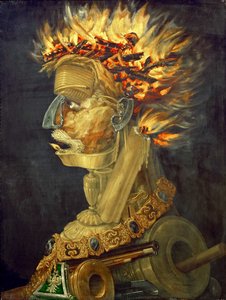
Giuseppe Arcimboldo's "Winter," painted in 1573, isn’t merely a portrait; it’s an immersive experience. Within its meticulously constructed frame resides a man – or perhaps a composite of many men – sculpted entirely from the bounty and stark beauty of winter itself. The painting immediately arrests the eye with its audacious composition: a head formed from bare branches, frosted berries, and the ghostly suggestion of snow, all rendered in rich oils on canvas. It’s a visual paradox, simultaneously familiar and utterly alien, inviting prolonged contemplation and revealing layers of meaning with each return glance.
Arcimboldo, born in Milan in 1527, was a master of illusion and allegory, a skill honed during his service to Emperor Maximilian II. He moved beyond the traditional confines of portraiture, embracing a Mannerist style characterized by its deliberate distortion and inventive use of materials. “Winter” exemplifies this perfectly – it’s not simply a depiction of winter; it's an *embodiment* of the season, a powerful statement about nature’s resilience and the cyclical rhythms of life and death. The painting emerged from a commission intended for Elector Augustus of Saxony, reflecting the complex political landscape of 16th-century Europe where art served as both propaganda and a symbol of diplomatic relations.
Every element within “Winter” is laden with symbolic weight. The stark branches, devoid of leaves, represent the dormancy of winter, but also hint at potential renewal beneath the frozen surface. The scattered apples – a recurring motif in Arcimboldo’s work – are potent symbols of abundance, fertility, and even mortality; their ripeness juxtaposed against the coldness creates a poignant tension. The small fruits adorning the eyes and mouth aren't merely decorative; they suggest a fleeting beauty, a momentary pleasure before succumbing to the inevitable passage of time. Even the dark background serves to amplify the brilliance of the assembled elements, drawing the viewer’s attention to the intricate details and forcing them to actively engage with the composition.
Notice the careful placement of the flowers nestled amongst the branches – delicate pink blossoms offering a fragile counterpoint to the ruggedness of the winter landscape. These small touches elevate the painting beyond a simple assemblage, transforming it into a carefully orchestrated meditation on beauty and decay. The use of red fruit for the lips is particularly striking, providing a vibrant burst of color against the predominantly brown and white palette, emphasizing the vitality that persists even in the coldest months.
Arcimboldo’s technical skill is undeniable. The oil on canvas medium allowed him to achieve remarkable detail and luminosity, capturing the textures of bark, fruit, and frost with astonishing precision. Measuring 76 x 64 cm, the painting possesses an intimate scale that invites close examination – a deliberate choice by Arcimboldo to draw the viewer into his elaborate creation. The meticulous layering of paint and the careful arrangement of objects demonstrate a profound understanding of perspective and composition, hallmarks of a true master.
“Winter,” along with Arcimboldo’s other “Four Seasons” paintings, remains a testament to the artist's unique vision and his ability to transform everyday objects into extraordinary works of art. His innovative approach profoundly influenced subsequent generations of artists, paving the way for surrealist and pop-art movements. Today, these masterpieces reside in the Musée du Louvre, continuing to captivate audiences with their playful complexity and enduring beauty. A reproduction by Most-Famous-Paintings.com offers a stunning opportunity to bring this iconic image into your home or office, allowing you to appreciate Arcimboldo’s genius for years to come.

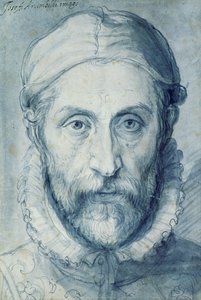
1527 - 1593 , Italija

Explore 10 iconic portrait paintings – from Mona Lisa to Van Gogh’s self-portraits. Discover the stories behind these masterpieces, artistic techniques & find museum-quality art reproductions for your home at Most-Famous-Paintings.com.
Otkrijte 10 remekdjela renesanse koja su obilježila umjetnost! Leonardo, Michelangelo, Rafael... Istražite priče iza ovih ikona i inspirirajte svoj interijer. Visokokvalitetne reprodukcije na Most-Famous-Paintings.com – otkrijte cijelu kolekciju online!
Otkrijte 10 remekdjela koje su definirala ranu renesansu! Leonardo, Michelangelo i Botticelli – istražite priče iza ovih genijalnih djela. Inspirirajte svoj dom umjetnošću. Kupujte reprodukcije na Most-Famous-Paintings.com!

Commission a timeless oil portrait from skilled artists at Most-Famous-Paintings. Preserve your family's legacy with museum-quality paintings, crafted to cherish for generations. Expert guidance & personalized service.
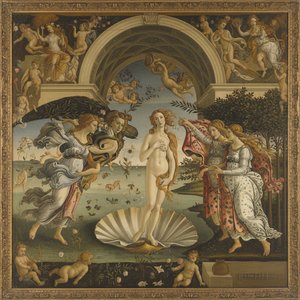
Uronite u svijet Sandro Botticellija! Otkrijte 25 remek-djela renesansnog genija – Rođenje Venere, Primavera i više. Povijest umjetnosti, tehnike i inspiracija za dekoraciju interijera. Kupite vrhunske reprodukcije na Most-Famous-Paintings.com


Budite u tijeku s najnovijim umjetničkim vijestima, ekskluzivnim ponudama i idejama za dekoraciju.
Recite nam nešto o svom projektu, a naši će stručnjaci za umjetnost pripremiti 3 personalizirana prijedloga umjetnina.
Dopustite nam da odaberemo 3 opcije samo za Vas – Besplatno!


 Podijeli

 Prikaži više







 Opcija stakla dostupna je samo za dimenzije manje od 110 cm