x

Ručno oslikano uljanim bojama na platnu u dimenzijama i okviru po vašem izboru, izrađeno po narudžbi od strane naših umjetnika. ( Kupi print Kupi digitalnu sliku)





























Odaberite jednu od naših unaprijed definiranih veličina koje odgovaraju izvornim proporcijama umjetničkog djela.

Možete unijeti vlastite dimenzije kako bi odgovarale određenom okviru ili prostoru. Ako odabrana veličina ne odgovara proporcijama izvorne slike, izrezat ćemo umjetničko djelo ili proširiti sliku dodatnim ručno oslikanim elementima. Digitalni nacrt bit će vam poslan na odobrenje prije početka proizvodnje.
Imajte na umu da pregled na ekranu ne prikazuje stvarno izrezivanje ili proširivanje. Samo će nacrt točno prikazati konačni sastav.
Iako su dostupne prilagođene veličine, preporučujemo odabir dimenzije s preddefiniranog popisa kako bismo očuvali izvorne proporcije.
Isporuka širom svijeta () u roku od 3-4 tjedna umjesto standardnih 5 tjedana. (15 Kolovoz). Bez kompromisa u kvaliteti.


Judith01
Veličina reprodukcije
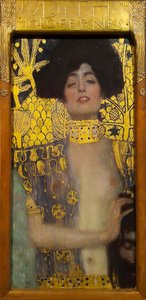
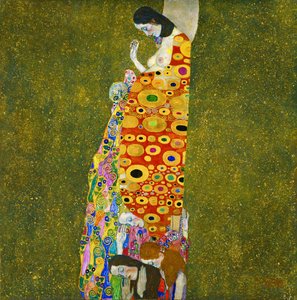
Gustav Klimt's 1901 painting, *Judith I*, isn’t merely a depiction of a biblical scene; it’s an immersion into the heart of Viennese Symbolism, a potent blend of eroticism, psychological depth, and opulent artistry. Far removed from the traditional heroic portrayals of Judith slaying Holofernes, Klimt presents us with a woman consumed by a complex interplay of triumph, vulnerability, and perhaps even a touch of unsettling allure. This isn’t a victory parade; it's a moment suspended in time, pregnant with unspoken narratives and shadowed emotions.
The genesis of this arresting image lies within Klimt’s fascination with the female form – a recurring motif throughout his oeuvre. He deliberately eschewed conventional narrative, instead focusing on capturing the essence of Judith herself. The painting is less about the act of decapitation and more about the aftermath: the woman holding the severed head, her gaze locked in an intense dialogue with the viewer. This directness, this refusal to shy away from confronting the audience, was revolutionary for its time and immediately sparked controversy within Viennese artistic circles.
Klimt’s style is instantly recognizable – a masterful synthesis of influences ranging from Japanese woodblock prints to the decorative arts. *Judith I* exemplifies his “golden phase,” characterized by lavish use of gold leaf, intricate patterns, and flowing lines that evoke both sensuality and spirituality. The painting's surface shimmers with an almost otherworldly radiance, drawing the eye into a world of rich textures and symbolic details. This technique wasn’t simply decorative; it was integral to Klimt’s exploration of themes like beauty, desire, and mortality.
The composition itself is meticulously constructed. The swirling patterns in the background – reminiscent of Byzantine mosaics and Islamic textiles – create a sense of dynamism and movement, mirroring the turmoil within Judith's psyche. These intricate designs aren’t merely ornamental; they serve as visual metaphors for the complexities of human experience, hinting at hidden desires and unresolved conflicts.
At the heart of the painting is Judith herself – a figure both powerful and vulnerable. Her posture exudes confidence, her gaze unwavering, yet there’s an undeniable fragility in her expression. The heavy gold choker that encircles her neck isn't just jewelry; it’s a symbol of her victory, but also a visual reminder of the price she has paid. The dark fabric draped around her body creates a sense of mystery and concealment, while simultaneously highlighting her form.
Notice the subtle details: the slight curve of her lips, the delicate shading on her face, the way her hand gently rests upon the head of Holofernes. These are not gestures of triumph; they’re expressions of contemplation, perhaps even regret. Klimt masterfully avoids sentimentality, allowing the viewer to interpret Judith's emotions for themselves.
*Judith I* is rich in symbolic meaning. The severed head itself represents both victory and loss – a testament to Judith’s courage but also a reminder of the violence inherent in her actions. The gold leaf, a signature element of Klimt's work, symbolizes divinity, wealth, and immortality. The painting has been interpreted as an allegory for female empowerment, a meditation on desire and sacrifice, or simply a profound exploration of the human condition.
Today, *Judith I* remains one of Klimt’s most celebrated works, captivating audiences with its arresting beauty and psychological depth. It's a painting that invites contemplation, challenging viewers to confront uncomfortable truths about power, desire, and the complexities of human experience. Reproductions offer a chance to bring this extraordinary artwork into your own space, allowing you to immerse yourself in Klimt’s visionary world.

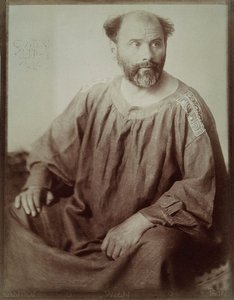
1862 - 1918 , Austrija

Explore the profound impact of the Vienna Secession movement. Discover how visionaries like Gustav Klimt revolutionized modern art through symbolism, gold leaf, and the concept of Gesamtkunstwerk in this expert-led historical guide.


Budite u tijeku s najnovijim umjetničkim vijestima, ekskluzivnim ponudama i idejama za dekoraciju.
Recite nam nešto o svom projektu, a naši će stručnjaci za umjetnost pripremiti 3 personalizirana prijedloga umjetnina.
Dopustite nam da odaberemo 3 opcije samo za Vas – Besplatno!


 Pregledaj u stvarnoj veličini
 Pošalji
 Podijeli
 Detalji o umjetničkom djelu

 Preuzmi
 Slični predmeti
 Rentgenska snimka
 Automatska prezentacija

 Prikaži više







 Opcija stakla dostupna je samo za dimenzije manje od 110 cm