x

Giclée tisak muzejske kvalitete ili otisak na platnu uz brzu proizvodnju i fleksibilne opcije završne obrade. ( Kupi ručno naslikanu sliku Kupi digitalnu sliku)





























Odaberite jednu od naših unaprijed definiranih veličina koje odgovaraju izvornim proporcijama umjetničkog djela.

Možete unijeti vlastite dimenzije kako biste umjetničko djelo prilagodili specifičnom okviru ili prostoru. Ako odabrana veličina ne odgovara proporcijama izvornog rada, izrezat ćemo dio slike ili je proširiti pomoću ogledalnog efekta ili jednobojne rubne površine. Digitalni prikaz (mockup) bit će vam poslan na odobrenje prije početka proizvodnje.
Imajte na umu da pregled na zaslonu ne odražava stvarno izrezivanje ili proširivanje. Samo će mockup točno prikazati konačnu kompoziciju.
Iako su dostupne prilagođene veličine, preporučujemo odabir dimenzije iz unaprijed definirane liste kako biste očuvali izvorne proporcije.
Dostava širom svijeta () u roku od 2 tjedna umjesto standardnih 4/5 tjedana. (16 Kolovoz)


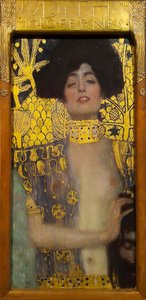
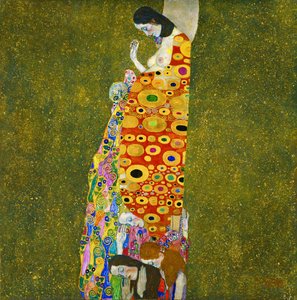
Judith02
Veličina reprodukcije
“Judith II (Salome)” was created in 1909 by Gustav Klimt in Art Nouveau (Modern) style. Find more prominent pieces of literary painting at Wikiart.org – best visual art database.
Gustav Klimt (14 July 1862 – 6 February 1918) was an Austrian symbolist painter and a founding member of the Vienna Secession movement. His work helped define the Art Nouveau style in Europe. Klimt is known for his paintings, murals, sketches, and other objets d'art. Klimt’s primary subject was the female body, and his works are marked by a frank eroticism. Amongst the artists of the Vienna Secession, Klimt was the most influenced by Japanese art and its methods.
Early in his career, he was a successful painter of architectural decorations in a conventional manner. As he began to develop a more personal style, his work was the subject of controversy that culminated when the paintings he completed around 1900 for the ceiling of the Great Hall of the University of Vienna were criticised as pornographic. He subsequently accepted no more public commissions, but achieved a new success with the paintings of his “golden phase”, many of which include gold leaf.
Klimt died in 1918, having suffered from a stroke and pneumonia. Since his death, Klimt’s paintings have brought some of the highest prices recorded for individual works of art at auction.
“Judith II” depicts Judith—a biblical figure who saved her people by seducing Holofernes—from the side. Klimt's masterful use of oil as the primary medium allows for rich textures and vibrant colors, bringing his vision to life. The painting is characterized by its decorative patterns, adding an opulent touch to the piece while highlighting its allegorical nature.
Klimt’s stylistic choices reflect the prevailing trends of Art Nouveau, prioritizing flowing lines, organic forms, and lavish ornamentation. He deliberately eschewed academic conventions in favor of a more expressive approach, embracing symbolism and eroticism as central elements of his artistic expression.
The painting’s dominant feature is Klimt's signature technique—the extensive application of gold leaf. This shimmering material wasn’t merely decorative; it represented spiritual illumination and divine grace, reflecting Klimt’s fascination with esoteric traditions.
The composition itself is carefully constructed to convey a sense of dynamism and tension. Klimt utilizes flattened planes and simplified forms to create an illusion of depth, emphasizing the contours of Judith's body and highlighting her gaze toward the horizon. The intricate geometric patterns on her dress serve as counterpoints to the flowing lines of her hair and scarf.
"Judith II" embodies Klimt’s exploration of female sexuality and vulnerability, capturing a moment of intense emotion—a blend of allure and apprehension. The artist skillfully portrays Judith's posture as she turns to face the viewer, conveying both confidence and unease.
The painting’s color palette is dominated by muted ochre tones, accented by flashes of crimson and gold. Klimt uses these hues to evoke feelings of passion and transgression, mirroring the narrative of Salome—the biblical tale of seduction and assassination—which served as inspiration for this iconic artwork.
Ultimately, “Judith II” transcends its biblical subject matter, becoming a timeless meditation on beauty, desire, and mortality. It remains one of Klimt’s most celebrated achievements, cementing his legacy as a pioneer of modern art.

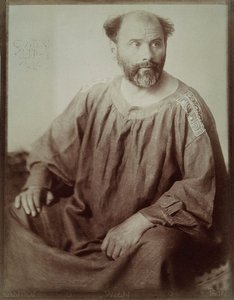
1862 - 1918 , Austrija

Explore the profound impact of the Vienna Secession movement. Discover how visionaries like Gustav Klimt revolutionized modern art through symbolism, gold leaf, and the concept of Gesamtkunstwerk in this expert-led historical guide.


Budite u tijeku s najnovijim umjetničkim vijestima, ekskluzivnim ponudama i idejama za dekoraciju.
Recite nam nešto o svom projektu, a naši će stručnjaci za umjetnost pripremiti 3 personalizirana prijedloga umjetnina.
Dopustite nam da odaberemo 3 opcije samo za Vas – Besplatno!


 Pregledaj u stvarnoj veličini
 Pošalji
 Podijeli
 Detalji o umjetničkom djelu

 Preuzmi
 Slični predmeti
 Rentgenska snimka
 Automatska prezentacija

 Prikaži više







 Opcija stakla dostupna je samo za dimenzije manje od 110 cm