x

Ručno oslikano uljanim bojama na platnu u dimenzijama i okviru po vašem izboru, izrađeno po narudžbi od strane naših umjetnika. ( Kupi print Kupi digitalnu sliku)





























Odaberite jednu od naših unaprijed definiranih veličina koje odgovaraju izvornim proporcijama umjetničkog djela.

Možete unijeti vlastite dimenzije kako bi odgovarale određenom okviru ili prostoru. Ako odabrana veličina ne odgovara proporcijama izvorne slike, izrezat ćemo umjetničko djelo ili proširiti sliku dodatnim ručno oslikanim elementima. Digitalni nacrt bit će vam poslan na odobrenje prije početka proizvodnje.
Imajte na umu da pregled na ekranu ne prikazuje stvarno izrezivanje ili proširivanje. Samo će nacrt točno prikazati konačni sastav.
Iako su dostupne prilagođene veličine, preporučujemo odabir dimenzije s preddefiniranog popisa kako bismo očuvali izvorne proporcije.
Isporuka širom svijeta () u roku od 3-4 tjedna umjesto standardnih 5 tjedana. (16 Kolovoz). Bez kompromisa u kvaliteti.


Phoebus and Boreas
Veličina reprodukcije
Gustave Moreau's "Phoebus and Boreas," painted in 1879, is not merely a depiction of a scene; it’s an immersion into the turbulent heart of myth and emotion. This watercolor, a cornerstone of Symbolist art, immediately captivates with its dreamlike quality and unsettling beauty. The painting portrays a dramatic confrontation between Phoebus, the Greek god of the sun, and Boreas, the North Wind – a struggle rendered through a tableau of figures, horses, and dogs that feels both intensely personal and profoundly symbolic. Moreau’s masterful use of color and texture creates an atmosphere thick with tension and foreboding, inviting the viewer to contemplate themes of opposing forces, passion versus coldness, and the eternal battle between light and darkness.
Moreau was a pivotal figure in the rise of Symbolism, a movement that rejected the objective realism championed by earlier artistic movements. Instead, Symbolists sought to express inner states of mind, spiritual truths, and fantastical narratives through evocative imagery and rich symbolism. In “Phoebus and Boreas,” the figures themselves are laden with meaning. The woman riding the horse represents vitality, passion, and perhaps even a fleeting moment of triumph – Phoebus’s domain. Conversely, the imposing presence of Boreas, depicted as a powerful, almost monstrous figure, embodies coldness, destruction, and the relentless force of nature. The dogs, strategically placed on either side, could be interpreted as guardians or heralds, adding to the sense of impending conflict. The inclusion of the solitary observer further emphasizes the theme of witnessing and judgment – are they a participant or simply an audience to this cosmic struggle?
Moreau’s technique is characterized by meticulous detail and a deliberate layering of color, achieved through multiple washes of watercolor. He employed a rich, jewel-toned palette – deep blues, purples, and golds dominate the composition – to heighten the painting's emotional impact. Notice how he builds up texture through subtle variations in brushstrokes, creating a sense of depth and movement that draws the viewer into the scene. The use of glazing techniques allows light to penetrate the layers of paint, producing an ethereal glow that contributes significantly to the work’s dreamlike quality. This careful attention to detail is characteristic of Moreau's approach, reflecting his desire to create not just a representation but a fully realized symbolic world.
"Phoebus and Boreas" was created during a period of significant artistic and intellectual ferment in Paris. The Symbolist movement emerged as a reaction against the perceived materialism and superficiality of contemporary society, seeking instead to explore deeper spiritual and psychological truths. Moreau’s work aligns with this broader trend, reflecting a fascination with mythology, folklore, and the occult – themes that were increasingly prevalent in late 19th-century art and literature. Moreau's influence extended beyond Symbolism, impacting subsequent generations of artists who sought to explore the power of symbolism and subjective experience in their work. Today, “Phoebus and Boreas” remains a powerful example of Symbolist painting, admired for its evocative imagery, technical mastery, and profound emotional resonance.
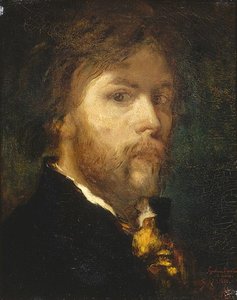
1826 - 1898 , Francuska

Explore the profound history and technical mastery of watercolor painting. From medieval manuscripts to the luminous works of John Singer Sargent, discover how artists capture light and transparency through this delicate, enduring medium.


Budite u tijeku s najnovijim umjetničkim vijestima, ekskluzivnim ponudama i idejama za dekoraciju.
Recite nam nešto o svom projektu, a naši će stručnjaci za umjetnost pripremiti 3 personalizirana prijedloga umjetnina.
Dopustite nam da odaberemo 3 opcije samo za Vas – Besplatno!


 Pregledaj u stvarnoj veličini
 Pošalji
 Podijeli
 Detalji o umjetničkom djelu

 Preuzmi
 Slični predmeti
 Rentgenska snimka
 Automatska prezentacija

 Prikaži više







 Opcija stakla dostupna je samo za dimenzije manje od 110 cm