x

Giclée tisak muzejske kvalitete ili otisak na platnu uz brzu proizvodnju i fleksibilne opcije završne obrade. ( Kupi ručno naslikanu sliku Kupi digitalnu sliku)





























Odaberite jednu od naših unaprijed definiranih veličina koje odgovaraju izvornim proporcijama umjetničkog djela.

Možete unijeti vlastite dimenzije kako biste umjetničko djelo prilagodili specifičnom okviru ili prostoru. Ako odabrana veličina ne odgovara proporcijama izvornog rada, izrezat ćemo dio slike ili je proširiti pomoću ogledalnog efekta ili jednobojne rubne površine. Digitalni prikaz (mockup) bit će vam poslan na odobrenje prije početka proizvodnje.
Imajte na umu da pregled na zaslonu ne odražava stvarno izrezivanje ili proširivanje. Samo će mockup točno prikazati konačnu kompoziciju.
Iako su dostupne prilagođene veličine, preporučujemo odabir dimenzije iz unaprijed definirane liste kako biste očuvali izvorne proporcije.
Dostava širom svijeta () u roku od 2 tjedna umjesto standardnih 4/5 tjedana. (15 Kolovoz)


The Studio under the Eaves
Veličina reprodukcije
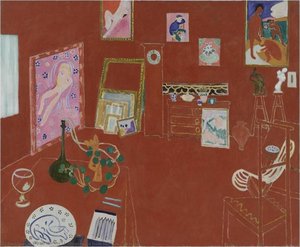
Henri Matisse's "The Studio under the Eaves," painted around 1903, isn’t merely a depiction of an artist’s workspace; it’s a profound meditation on creativity, solitude, and the very essence of artistic struggle. This intimate scene, rendered in the heart of Matisse’s early career, offers a rare and compelling window into the mind of a master grappling with his own artistic identity. The painting immediately draws the viewer inward, enveloped by a carefully orchestrated interplay of light, shadow, and color – elements that speak volumes about Matisse's evolving style and deeply personal experiences.
The composition is deceptively simple yet remarkably effective. A central vertical axis, defined by the window frame and the easel, anchors the eye, leading it towards the warm, inviting glow emanating from within. The room itself feels both familiar and slightly unsettling – a small, almost claustrophobic space dominated by dark tones and the suggestion of hidden depths. The use of angular lines in the window and easel contrasts subtly with the softer, more blended brushstrokes that define the walls and shadows, creating a dynamic tension between structure and atmosphere. Geometric shapes—rectangles for the table and box, triangles for the easel—are employed deliberately, grounding the scene while simultaneously hinting at an underlying order beneath the apparent chaos.
Matisse’s masterful manipulation of color is undoubtedly the painting's most striking feature. The palette is predominantly earthy – ochres, browns, and muted greens—but punctuated by vibrant splashes of orange light spilling from the window. This dramatic contrast isn’t simply decorative; it represents a crucial symbolic element. The light symbolizes inspiration, a connection to the outside world, and perhaps even hope amidst the artist's personal difficulties at the time. The darkness surrounding the light suggests introspection, the challenges inherent in artistic creation, and the isolation that often accompanies it. Notice how Matisse uses impasto – thick application of paint – particularly around the edges of objects and within the shadowed areas, adding a tactile quality to the canvas and intensifying the sense of depth.
The historical context surrounding “The Studio under the Eaves” is deeply intertwined with Matisse's personal life. Painted in 1903, during a period of significant upheaval for the artist – marked by financial struggles and professional setbacks – the painting reflects his emotional state. As documented in numerous sources, including audio recordings from MoMA and scholarly articles, Matisse was experiencing a profound crisis of confidence after returning to his hometown of Bohain-en-Vermandois following a failed attempt at establishing himself in Paris. The bleakness of the studio, the simple furnishings, and the solitary figure (implied by the easel) all speak to this sense of isolation and uncertainty. The letter he wrote to his friend Bussy reveals a deep despair and a questioning of his artistic direction – feelings that are powerfully conveyed through the painting’s somber mood.
“The Studio under the Eaves” is considered a pivotal work in Matisse's development, marking a transition towards Fauvism. While retaining elements of Realism in its depiction of space and form, the painting showcases Matisse’s growing emphasis on color as an expressive element—a characteristic that would define his later work. The bold, non-naturalistic colors, combined with simplified forms and flattened perspective, foreshadowed the radical departure from traditional artistic conventions that would characterize Fauvism. This piece demonstrates how Matisse wasn't simply painting a room; he was exploring the emotional landscape of an artist confronting his own limitations and searching for renewed inspiration.


1869 - 1954 , Francuska

Explore the vibrant revolution of Fauvism. Discover how masters like Henri Matisse liberated color from reality to express pure emotion. An expert guide into the 'Wild Beasts' of modern art history for collectors and enthusiasts.

Explore the profound history and technical brilliance of oil on panel painting. From Renaissance masters to modern techniques, discover why this rigid support offers unparalleled precision and permanence for fine art lovers and collectors.


Budite u tijeku s najnovijim umjetničkim vijestima, ekskluzivnim ponudama i idejama za dekoraciju.
Recite nam nešto o svom projektu, a naši će stručnjaci za umjetnost pripremiti 3 personalizirana prijedloga umjetnina.
Dopustite nam da odaberemo 3 opcije samo za Vas – Besplatno!


 Pregledaj u stvarnoj veličini
 Pošalji
 Podijeli
 Detalji o umjetničkom djelu

 Preuzmi
 Slični predmeti
 Rentgenska snimka
 Automatska prezentacija

 Prikaži više







 Opcija stakla dostupna je samo za dimenzije manje od 110 cm