x

Giclée tisak muzejske kvalitete ili otisak na platnu uz brzu proizvodnju i fleksibilne opcije završne obrade. ( Kupi ručno naslikanu sliku Kupi digitalnu sliku)





























Odaberite jednu od naših unaprijed definiranih veličina koje odgovaraju izvornim proporcijama umjetničkog djela.

Možete unijeti vlastite dimenzije kako biste umjetničko djelo prilagodili specifičnom okviru ili prostoru. Ako odabrana veličina ne odgovara proporcijama izvornog rada, izrezat ćemo dio slike ili je proširiti pomoću ogledalnog efekta ili jednobojne rubne površine. Digitalni prikaz (mockup) bit će vam poslan na odobrenje prije početka proizvodnje.
Imajte na umu da pregled na zaslonu ne odražava stvarno izrezivanje ili proširivanje. Samo će mockup točno prikazati konačnu kompoziciju.
Iako su dostupne prilagođene veličine, preporučujemo odabir dimenzije iz unaprijed definirane liste kako biste očuvali izvorne proporcije.
Dostava širom svijeta () u roku od 2 tjedna umjesto standardnih 4/5 tjedana. (19 Kolovoz)


untitled (3432)
Veličina reprodukcije
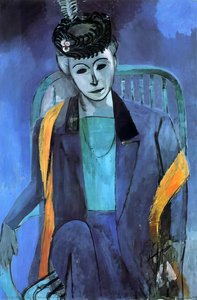
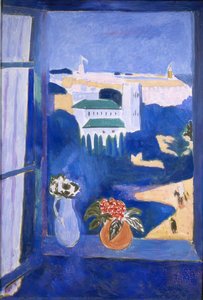
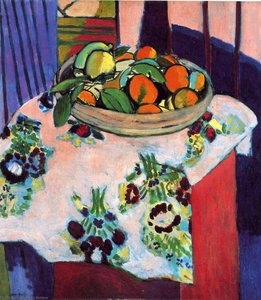
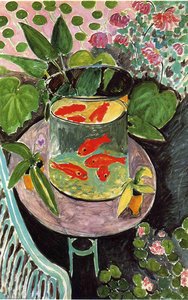
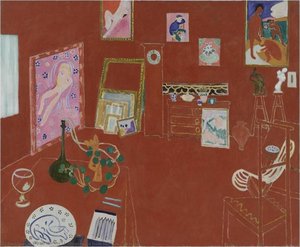
Henri Matisse (1869-1954) stands as one of the most influential figures in 20th-century art, a painter whose unwavering devotion to color revolutionized artistic expression. Born in Le Cateau-Cambrésis, France, Matisse initially pursued law but swiftly abandoned it for the liberating embrace of painting after a debilitating illness – an experience that profoundly shaped his artistic vision.
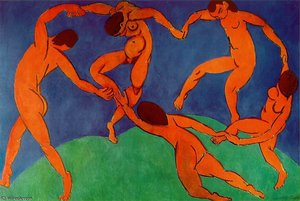
His early works demonstrated Impressionistic tendencies, capturing fleeting moments of light and atmosphere with delicate brushstrokes. However, Matisse’s breakthrough arrived in 1905 with “The Dance,” marking the genesis of Fauvism—a movement he spearheaded alongside André Derain and Maurice Denis. This bold stylistic choice distinguished itself from its predecessors by rejecting naturalistic representation in favor of vibrant, unmodulated hues, prioritizing emotional impact over photographic accuracy.
"The Dance," housed in Tate Modern, exemplifies Matisse’s masterful manipulation of color palettes—a dazzling interplay of reds, yellows, and blues that pulsates with energy. The figures are stylized, almost abstracted, yet convey a palpable sense of movement and rhythm. Matisse deliberately avoided blending colors, opting instead for juxtaposing them directly on the canvas to achieve maximum visual intensity.
Matisse’s technique was characterized by meticulous layering of paint—often applied in thin glazes over underlayers—creating luminous surfaces that shimmer with reflected light. He favored oil paints, meticulously blending pigments to achieve subtle tonal variations while maintaining the vibrancy of his chosen colors. Furthermore, Matisse experimented extensively with collage techniques, incorporating paper cutouts and textured fabrics into his compositions.
His use of collage wasn’t merely decorative; it served as a crucial element in conveying mood and atmosphere. The incorporation of organic materials—such as jute and burlap—added tactile dimension to the artwork, grounding its ethereal colors in tangible reality. This approach reflects Matisse's belief that art should engage all senses, fostering contemplation and emotional resonance.
Throughout his prolific career, Matisse explored themes of joy, beauty, and spirituality—often expressed through depictions of figures engaged in simple activities like dancing or gardening. These scenes are imbued with a profound sense of serenity and optimism, reflecting Matisse’s personal philosophy that “happiness is the goal.”
Consider "Still Life with Guitar," currently residing in The Metropolitan Museum of Art. The composition—featuring a guitar, a vase of flowers, and a draped cloth—is rendered in Matisse's signature palette of warm reds and yellows. These colors evoke feelings of warmth, comfort, and vitality, inviting viewers to savor the beauty of everyday life.
Henri Matisse’s influence extends far beyond his own artistic output. He championed a humanist aesthetic that prioritized expressive color and form over academic conventions—inspiring generations of artists who followed him. His unwavering commitment to experimentation and innovation cemented his place as a cornerstone of modern art, ensuring that “The Dance” and countless other masterpieces continue to captivate audiences worldwide.
Reproductions of Matisse’s paintings offer an unparalleled opportunity to experience the transformative power of color firsthand—bringing a touch of Matisse's radiant vision into any interior space. Explore Most-Famous-Paintings.com for exceptional quality reproductions that capture the essence of his artistic legacy.


1869 - 1954 , Francuska

Explore the vibrant revolution of Fauvism. Discover how masters like Henri Matisse liberated color from reality to express pure emotion. A deep dive into art history for students and collectors seeking to understand the 'Wild Beasts' of modern art.


Budite u tijeku s najnovijim umjetničkim vijestima, ekskluzivnim ponudama i idejama za dekoraciju.
Recite nam nešto o svom projektu, a naši će stručnjaci za umjetnost pripremiti 3 personalizirana prijedloga umjetnina.
Dopustite nam da odaberemo 3 opcije samo za Vas – Besplatno!


 Pregledaj u stvarnoj veličini
 Pošalji
 Podijeli
 Detalji o umjetničkom djelu

 Preuzmi
 Slični predmeti
 Rentgenska snimka
 Automatska prezentacija
 Prikaži više







 Opcija stakla dostupna je samo za dimenzije manje od 110 cm