


x
 Acrylic On CanvasWallArtRomanticism
 177519th Century
 59.0 x 47.0 cm
 Museo Thyssen-Bornemisza
Giclée tisak muzejske kvalitete ili otisak na platnu uz brzu proizvodnju i fleksibilne opcije završne obrade. ( Kupi ručno naslikanu sliku Kupi digitalnu sliku)





























Odaberite jednu od naših unaprijed definiranih veličina koje odgovaraju izvornim proporcijama umjetničkog djela.

Možete unijeti vlastite dimenzije kako biste umjetničko djelo prilagodili specifičnom okviru ili prostoru. Ako odabrana veličina ne odgovara proporcijama izvornog rada, izrezat ćemo dio slike ili je proširiti pomoću ogledalnog efekta ili jednobojne rubne površine. Digitalni prikaz (mockup) bit će vam poslan na odobrenje prije početka proizvodnje.
Imajte na umu da pregled na zaslonu ne odražava stvarno izrezivanje ili proširivanje. Samo će mockup točno prikazati konačnu kompoziciju.
Iako su dostupne prilagođene veličine, preporučujemo odabir dimenzije iz unaprijed definirane liste kako biste očuvali izvorne proporcije.
Dostava širom svijeta () u roku od 2 tjedna umjesto standardnih 4/5 tjedana. (17 Kolovoz)


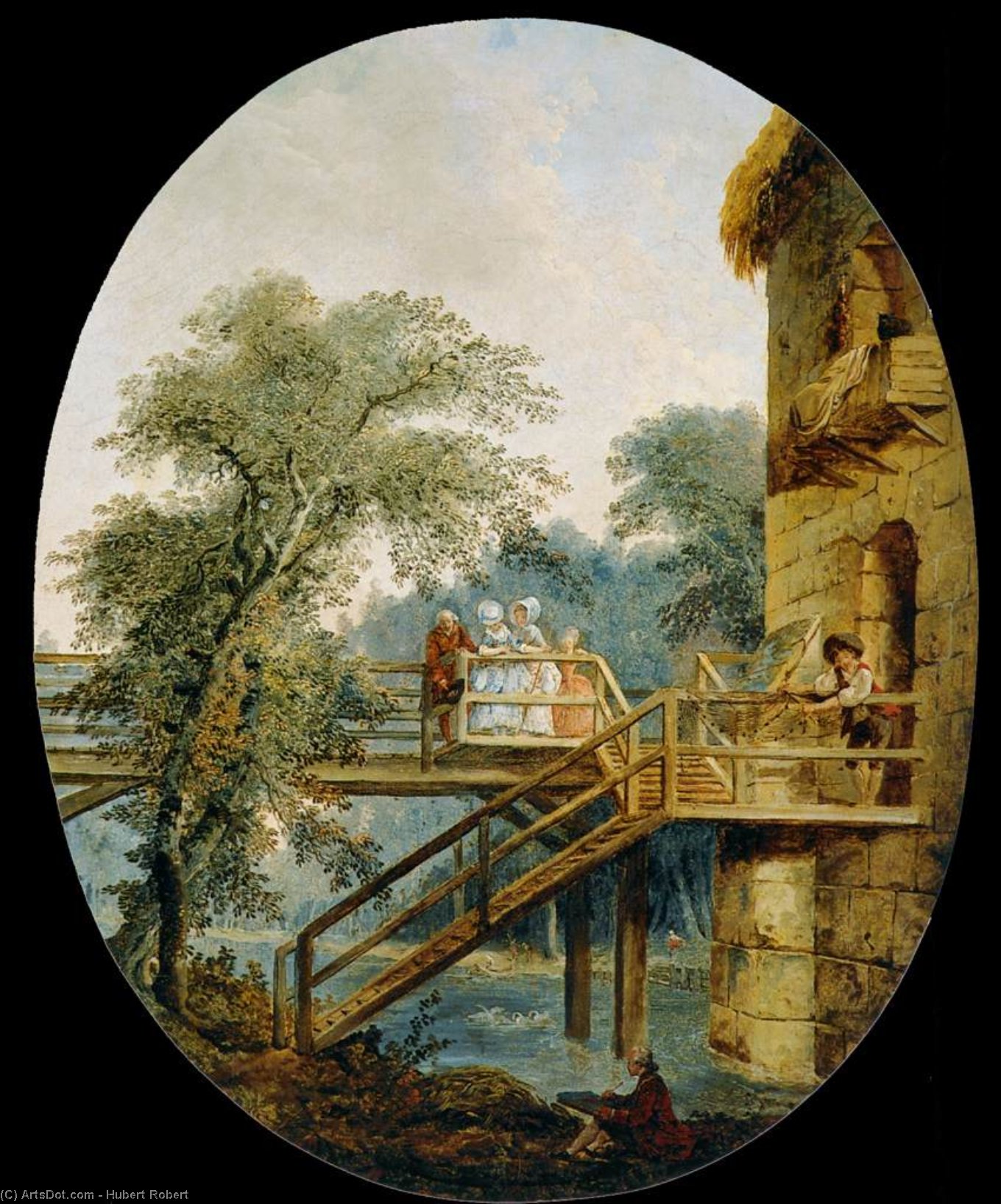
The Footbridge
Veličina reprodukcije
Hubert Robert's "The Footbridge," painted in 1775, isn’t merely a landscape; it’s a carefully constructed dreamscape—a poignant meditation on the passage of time, the allure of ruins, and the delicate balance between nature and human intervention. This captivating oval canvas, now housed within the Thyssen-Bornemisza Museum in Madrid, transports the viewer to a serene yet subtly melancholic world where ancient structures intertwine with the vibrant energy of a bustling scene. Robert, a master of “capriccio,” expertly blends observation with imagination, creating an atmosphere thick with romanticism and a profound sense of nostalgia.
The painting unfolds across a gently sloping hillside, dominated by the skeletal remains of a Roman bridge—a deliberate echo of the grandeur that once was. This isn’t a literal depiction of decay; rather, Robert transforms the ruins into symbols of enduring beauty and timelessness. The weathered stones, draped with ivy and moss, possess an almost ethereal quality, suggesting they are not merely crumbling remnants but portals to another era. The artist's skillful use of light and shadow further enhances this effect, bathing the scene in a soft, diffused glow that evokes the golden hour—a time when reality seems to soften and dreams take flight.
Robert’s fascination with ruins stemmed from his extended sojourn in Rome during the 1760s. Immersed in the city's ancient history, he meticulously sketched and studied the remnants of its imperial past—the Colosseum, the Forum, and countless other crumbling monuments. These observations profoundly shaped his artistic vision, leading him to develop a unique style characterized by an almost obsessive attention to detail and a masterful ability to evoke atmosphere. His technique is distinctly informed by Giovanni Battista Piranesi and Giovanni Paolo Panini, both Roman artists known for their depictions of architecture and ruins. Robert absorbed their techniques—particularly the use of perspective and light—and integrated them into his own distinctive style.
The painting’s composition is meticulously balanced, drawing the eye through a series of carefully orchestrated elements. The figures in the foreground – a man sketching with a small easel and a dog near a bench – are rendered with a delicate realism that contrasts subtly with the idealized beauty of the ruins. Robert employs a loose, expressive brushstroke—a hallmark of his style—to capture the textures of stone, foliage, and water. The color palette is restrained yet evocative, dominated by muted greens, blues, and browns, punctuated by flashes of vibrant color in the flowers and foliage. This careful orchestration creates a sense of harmony and tranquility, inviting the viewer to lose themselves in the scene’s timeless beauty.
Beyond its aesthetic appeal, “The Footbridge” is rich in symbolic meaning. The bridge itself represents connection—a link between past and present, reality and imagination. It also symbolizes transition and impermanence, mirroring the fleeting nature of human life and the inevitable decay of all things. The ruins, far from being symbols of despair, embody a sense of resilience and enduring beauty. They remind us that even in destruction, there is still grace and wonder to be found.
Robert’s painting taps into deep-seated emotions—a longing for the past, a fascination with the sublime, and a recognition of the transience of earthly existence. It evokes a sense of melancholy and nostalgia, yet also offers a glimmer of hope through its celebration of beauty and imagination. The scene invites contemplation on themes of memory, loss, and the enduring power of art to transcend time.
Hubert Robert’s “The Footbridge” stands as a quintessential example of 18th-century Romanticism—a movement that emphasized emotion, imagination, and the beauty of nature. His work profoundly influenced subsequent generations of artists, including Caspar David Friedrich and J.M.W. Turner, who continued to explore themes of ruins, landscapes, and the relationship between humanity and the natural world. Today, “The Footbridge” remains a beloved masterpiece—a testament to Robert’s artistic genius and his ability to capture the essence of beauty in a fleeting moment.


1733 - 1808 , Francuska

Explore the captivating world of Hubert Robert, master of Romantic landscape painting & 'capriccio' ruins. Discover his historical context, artistic innovations, and collecting insights with Most-Famous-Paintings.
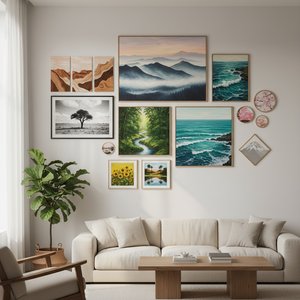
Journey through 10 breathtaking landscape paintings by Monet, Van Gogh & more! Explore iconic artworks, artistic techniques & find inspiration for your home decor. Museum-quality reproductions at Most-Famous-Paintings.com. Discover all masterpieces on Most-Famous-Paintings.com

Otkrijte 10 remek-djela romantizma koja su definirala pejzažno slikarstvo! Uronite u svijet Friedricha, Turnera i Aivazovskog. Inspirirajte svoj interijer vrhunskim umjetničkim djelima. Kupujte reprodukcije na Most-Famous-Paintings.com!
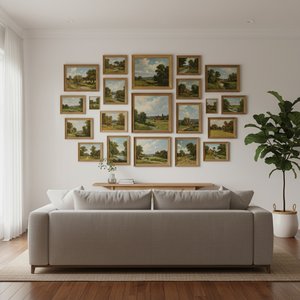
Uronite u svijet John Constabla! Otkrijte 25 remek-djela engleskog romantizma i pejzaža. Ekskluzivne reprodukcije slika, zidna dekoracija & inspiracija za dizajn interijera na Most-Famous-Paintings.com. Istražite cijelu kolekciju online!

Explore the captivating world of Paul Huet (1803-1869), a master of French Romantic landscape painting. Discover his influence on Barbizon & Impressionism, and browse high-quality reproductions at Most-Famous-Paintings.


Budite u tijeku s najnovijim umjetničkim vijestima, ekskluzivnim ponudama i idejama za dekoraciju.
Recite nam nešto o svom projektu, a naši će stručnjaci za umjetnost pripremiti 3 personalizirana prijedloga umjetnina.
Dopustite nam da odaberemo 3 opcije samo za Vas – Besplatno!


 Pregledaj u stvarnoj veličini
 Pošalji
 Podijeli
 Detalji o umjetničkom djelu

 Preuzmi
 Slični predmeti
 Rentgenska snimka
 Automatska prezentacija
 Prikaži više







 Opcija stakla dostupna je samo za dimenzije manje od 110 cm


