


x
Kupite digitalnu sliku visoke rezolucije i poboljšane kvalitete, koja je znatno superiornija od online prikaza.
Svaka datoteka pedantno je pripremljena od strane naših internih stručnjaka koristeći napredne alate i vještinsku ručnu retušu. Osiguravamo da svaka slika ima iznimnu jasnoću, preciznu točnost boja i visoku razinu detalja.
Konačna datoteka dostavlja se putem e-pošte u roku od 72 sata, optimizirana za neposrednu upotrebu u profesionalnim, uredničkim i tiskarskim okruženjima. To je ista kvaliteta kojoj vjeruju vrhunski studiji dizajna, izdavači i galerije.
Preuzmite datoteku visoke rezolucije za osobnu izložbu, tisak i kreativne projekte. ( Kupi print Kupi ručno naslikanu sliku)
Odabirom Most-Famous-Paintings.com ne dobivate samo sliku – dobivate profesionalno unapređeno digitalno umjetničko djelo, izrađeno s najvećom preciznošću uz jamstvo zadovoljstva. Evo svega što automatski dolazi uz vašu narudžbu:

Vaša digitalna slika visoke rezolucije bit će vam poslana e-mailom u roku od 72 sata od narudžbe – spremna za neposrednu upotrebu.

Vaše umjetničko djelo profesionalno je optimizirano pomoću naprednih AI alata i ručnog uređivanja, čime se osigurava maksimalna razina detalja, oštrine i točnosti boja.

Slučajno ste obrisali ili izgubili svoju datoteku? Ne brinite – ponovno ćemo vam je poslati u bilo kojem trenutku, potpuno besplatno.

Uživajte u svojim umjetničkim djelima trenutno, bez carina, pristojbi ili troškova dostave – digitalne datoteke uvijek su oslobođene poreza.

Uz pomoć profesionalnih alata i upravljanja bojama, osiguravamo da vaša digitalna slika što vjernije odražava izvorne boje.

Ako niste zadovoljni svojom digitalnom slikom, revidirat ćemo je ili vratiti 100% novca u roku od 60 dana – bez ikakvih pitanja.

Niste zadovoljni? Osigurajte puni povrat novca u roku od 60 dana od primitka vaše digitalne datoteke – bez suvišnih pitanja.

Kupite 3 slike, uštedite 10% - Kupite 5 slika, uštedite 15% - Kupite 10+ slika, uštedite 20%. Odlično za kreativne projekte, galerije i agencije.
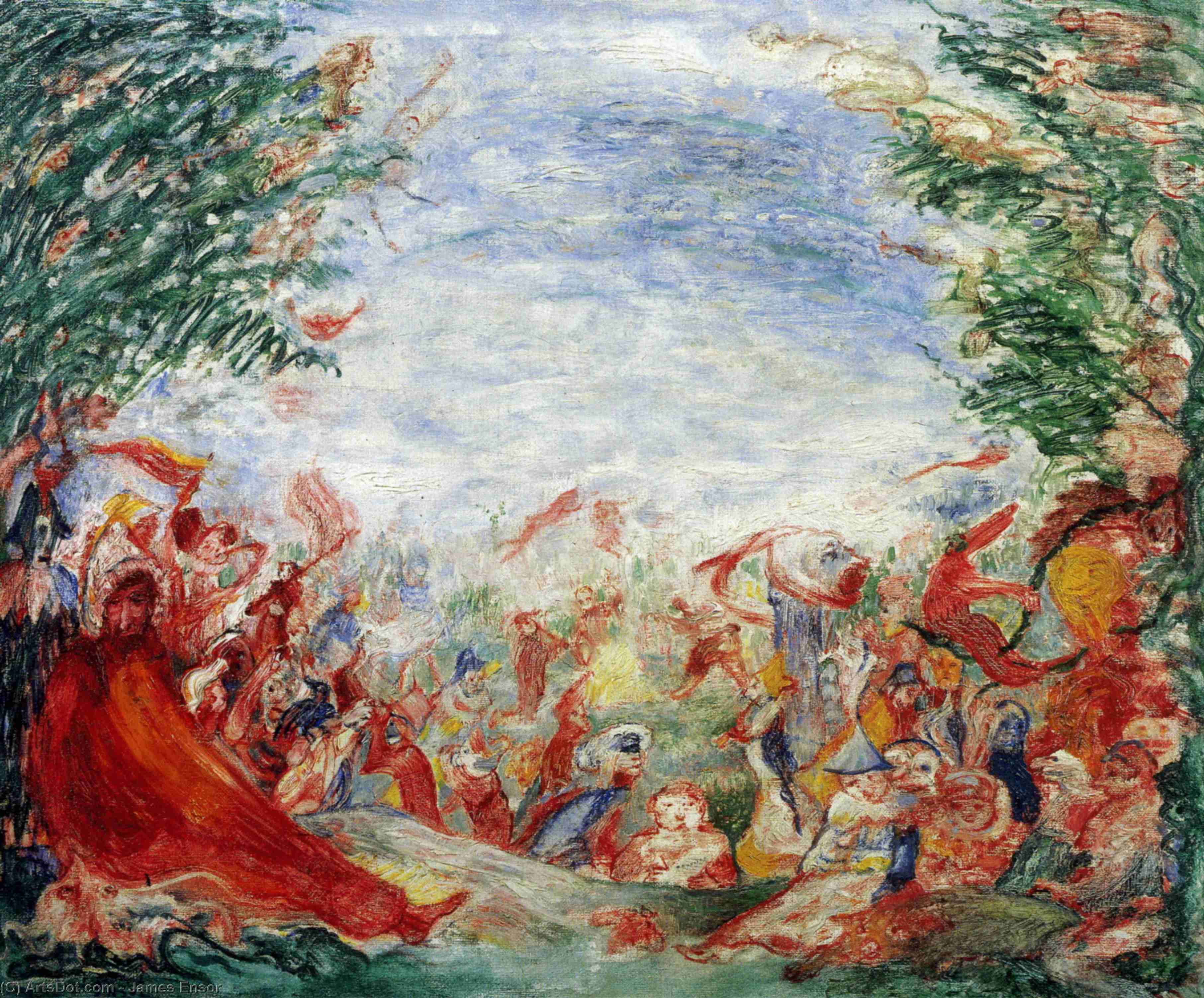
James Ensor’s “Saint Antoine Turlupine” stands as a monumental achievement in late 19th-century Symbolist art, offering much more than a mere depiction of a seaside gathering. Painted around 1886, this evocative oil on canvas captures the profound anxieties and social contradictions inherent in Belgian life during a period of transition. At first glance, the viewer is met with a densely populated outdoor scene, a bustling crowd gathered under the open sky, yet beneath this surface of leisure lies an unsettling psychological depth. Ensor masterfully orchestrates a composition where architectural elements—such as a wall adorned with a clock—and objects like umbrellas serve as potent symbols for the relentless passage of time and the weight of societal pressures.
The painting’s atmosphere is thick with a sense of mystery and hidden truths. As an expert in the Symbolist movement, Ensor moved away from the fleeting light of Impressionism to explore the darker, more permanent inner states of the human psyche. This is achieved through his use of masks, a recurring motif in his oeuvre that represents the duality of identity and the concealment of true emotions behind social facades. For collectors and enthusiasts of fine art, this piece offers a window into the artist's ability to transform a public promenade into a stage for contemplating mortality, isolation, and the inherent hypocrisy of the human condition.
Technically, “Saint Antoine Turlupine” is a triumph of expressive texture. Ensor utilized thick impasto brushstrokes to create a surface that feels physically alive, lending a visceral intensity to the crowded scene. This tactile quality ensures that the painting commands attention in any space, providing a rich, sculptural dimension that catches the light and invites close inspection. The palette is a sophisticated study in contrast; Ensor employs muted, earthy tones that ground the composition, only to puncturing them with sudden, dramatic splashes of crimson and ochre.
This deliberate use of color mirrors the psychological landscape of the work—the tension between the mundane reality of a seaside day and the underlying emotional turbulence. For interior designers seeking to introduce a focal point of profound character, this painting provides an unparalleled sense of drama. The interplay of light and shadow within the heavy paint layers creates a dynamic energy that can anchor a room, offering both a historical narrative and a sophisticated aesthetic presence.
To possess or display a reproduction of such a significant work is to invite a dialogue between the past and the present. Ensor’s ability to evoke profound emotional responses—ranging from curiosity to a haunting sense of unease—makes this piece an extraordinary choice for those who value art that challenges and inspires. It is not merely a decorative object but a narrative journey through the shadows of the Belgian soul.
Whether you are an art historian drawn to its Symbolist roots, a collector seeking a masterpiece of psychological realism, or a designer looking for a piece with deep emotional resonance, “Saint Antoine Turlupine” offers a timeless allure. It remains a captivating testament to Ensor's genius, reminding us that even in the most crowded spaces, the most profound truths are often found beneath the surface.

James Sidney Edouard Ensor, Baron Ensor (Ostend, 13 April 1860 – 19 November 1949) was a Belgian painter and printmaker who stands as one of the most influential figures in the development of Expressionism and Surrealism. Born into an English father and Belgian mother—a duality that profoundly shaped his artistic worldview—Ensor defied convention from the outset, rejecting academic formalism for a bold exploration of psychological depth and grotesque imagery.
His formative years were marked by exposure to the vibrant atmosphere of Ostend’s seaside resort town, where his parents operated a souvenir shop brimming with curiosities—a veritable cabinet of wonders that ignited his imagination. From 1876 until 1880 he studied at the Académie Royale des Beaux-Arts in Brussels, alongside fellow students like Fernand Khnopff and Theo Van Rysselberghe, where Jean Portales instilled in him a commitment to artistic innovation.
Ensor’s early paintings reflected a more traditional approach, depicting scenes of everyday life rendered in somber tones. However, he swiftly abandoned these conventions as he embraced the expressive qualities of light, line, and color—a decisive move toward Expressionism. Influenced by Rembrandt, Goya, and Japanese woodcuts, Ensor developed a distinctive iconography characterized by unsettling juxtapositions and symbolic references to death and decay.
His most celebrated works – including *Christ’s Entry into Brussels* (1888-1889), *The Scandalized Masks* (1883) and *Skeletons Fighting over a Hanged Man* (1891) – exemplify his unwavering commitment to confronting uncomfortable truths and exploring the darkest recesses of human psychology. These paintings are not merely aesthetically striking; they serve as powerful critiques of societal norms, religious hypocrisy, and the absurdity of existence.
James Ensor’s artistic legacy extends far beyond his own lifetime. He is recognized as a pivotal catalyst in the transition from Symbolism to Expressionism and Surrealism—a true pioneer who challenged artistic conventions and paved the way for future generations of artists. His fearless exploration of the subconscious, combined with his masterful use of grotesque imagery and symbolic language, continues to inspire artists today.

1860 - 1949 , België


Budite u tijeku s najnovijim umjetničkim vijestima, ekskluzivnim ponudama i idejama za dekoraciju.
Recite nam nešto o svom projektu, a naši će stručnjaci za umjetnost pripremiti 3 personalizirana prijedloga umjetnina.
Dopustite nam da odaberemo 3 opcije samo za Vas – Besplatno!


 Pregledaj u stvarnoj veličini
 Pošalji
 Podijeli
 Detalji o umjetničkom djelu

 Preuzmi
 Slični predmeti
 Rentgenska snimka
 Automatska prezentacija

 Prikaži više


