x


 Preview
 Naručite reprodukciju Kupi digitalnu sliku
 Pošalji
 Detalji o umjetničkom djelu
 Dodaj u omiljene
 Preuzmi
 Slični predmeti
 Rentgenska snimka
 Automatska prezentacija
 Oil On CanvasWallArtExpressionism
 190919th Century
 98.0 x 120.0 cm
 Bayerische Staatsgemäldesammlungen
Giclée tisak muzejske kvalitete ili otisak na platnu uz brzu proizvodnju i fleksibilne opcije završne obrade.





























Odaberite jednu od naših unaprijed definiranih veličina koje odgovaraju izvornim proporcijama umjetničkog djela.

Možete unijeti vlastite dimenzije kako biste umjetničko djelo prilagodili specifičnom okviru ili prostoru. Ako odabrana veličina ne odgovara proporcijama izvornog rada, izrezat ćemo dio slike ili je proširiti pomoću ogledalnog efekta ili jednobojne rubne površine. Digitalni prikaz (mockup) bit će vam poslan na odobrenje prije početka proizvodnje.
Imajte na umu da pregled na zaslonu ne odražava stvarno izrezivanje ili proširivanje. Samo će mockup točno prikazati konačnu kompoziciju.
Iako su dostupne prilagođene veličine, preporučujemo odabir dimenzije iz unaprijed definirane liste kako biste očuvali izvorne proporcije.
Dostava širom svijeta () u roku od 2 tjedna umjesto standardnih 4/5 tjedana. (24 Srpanj)


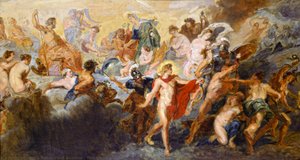
Homeric Laughter, First Version
Veličina reprodukcije
Lovis Corinth’s “Homeric Laughter,” painted in 1909, isn't merely a depiction of a gathering; it’s an invitation into a vibrant tableau of human connection and the intoxicating pleasure of shared experience. The painting immediately draws the eye with its scale – a generous 98 x 120 cm canvas – allowing for a complete immersion in the scene. Corinth masterfully captures a group of individuals, numbering at least thirteen, engaged in what appears to be an animated conversation or perhaps a lighthearted celebration. The central figure, a woman reclining on a bed, is undeniably the focal point, her exposed form not presented with overt sexuality but rather as a symbol of vulnerability and openness within this intimate setting. The surrounding figures – men and women alike, some standing, others seated or kneeling – contribute to a sense of communal warmth and relaxed conviviality.

Painted during a pivotal period in Corinth's artistic evolution, “Homeric Laughter” exemplifies his distinctive style – a potent blend of Impressionism and burgeoning Expressionism. He abandons the meticulous detail favored by earlier academic training, opting instead for bold brushstrokes, vibrant colors, and a deliberately loose application of paint. Notice how he uses color not to represent reality but to evoke feeling; the reds and oranges dominate, radiating warmth and suggesting an atmosphere of joyous abandon. Corinth’s technique is characterized by a dynamic layering of pigments, creating a sense of movement and immediacy. The figures aren't sharply defined; they are rendered with a slightly blurred quality, contributing to the painting’s overall dreamlike atmosphere. This approach was influenced by his travels through Paris and Antwerp, where he encountered artists like Rubens and Impressionists who challenged traditional artistic conventions.
The title itself, “Homeric Laughter,” immediately connects the painting to the works of ancient Greek poet Homer. Homer’s epics are filled with scenes of feasting, drinking, and boisterous gatherings – celebrations of life, friendship, and human connection. Corinth's painting captures this spirit, suggesting a modern-day reimagining of these timeless themes. The objects scattered around the group—a bowl and a cup—further reinforce the idea of shared indulgence and communal enjoyment. The woman on the bed isn’t simply exposed; she embodies a state of relaxed vulnerability, inviting the viewer to contemplate the dynamics of intimacy and social interaction within this circle.
Lovis Corinth’s life was marked by both artistic triumph and personal hardship. Following a debilitating stroke in 1911, he adapted his technique, favoring his right hand and exploring themes of domesticity and family. “Homeric Laughter” can be viewed as a reflection of this evolving perspective – a celebration of the simple pleasures of life and the importance of human relationships. Corinth’s work is deeply personal, imbued with emotion and a profound understanding of the human condition. Reproductions of “Homeric Laughter” offer a captivating glimpse into his world, inviting viewers to share in his vision of joy, connection, and the enduring power of art.


1858 - 1925 , Nizozemska

Uronite u svijet Winslowa Homera s 25 remek-djela američkog realizma. Otkrijte priče iza slika, tehnike i boje koje su ga proslavile. Kupite reprodukcije vrhunske kvalitete za vaš dom na Most-Famous-Paintings.com!

Istražite 25 najpoznatijih remek-djela Metropolitana u New Yorku! Otkrijte priče Van Gogha, Moneta i drugih majstora. Inspirirajte se za dekoraciju doma s luksuznim reprodukcijama slika na Most-Famous-Paintings.com.
Istražite 25 najpoznatijih djela Egona Schielea! Otkrijte ekspresionističke portrete, autoportrete i simbolizam u austrijskoj umjetnosti. Kvalitetne reprodukcije slika za vaš dom na Most-Famous-Paintings.com.
Uronite u svijet Henri Matissea! Otkrijte 25 remek-djela Fauvizma i moderne umjetnosti. Priče iza slika, boje i tehnike slavnog umjetnika. Pronađite savršenu reprodukciju za vaš interijer na Most-Famous-Paintings.com.
Otkrijte 25 remek-djela Nacionalne galerije u Washingtonu! Istražite priče iza Cézannea, Matissea i Picassa. Inspirirajte se za dekoraciju doma s luksuznim reprodukcijama slika na Most-Famous-Paintings.com.


Budite u tijeku s najnovijim umjetničkim vijestima, ekskluzivnim ponudama i idejama za dekoraciju.
Recite nam nešto o svom projektu, a naši će stručnjaci za umjetnost pripremiti 3 personalizirana prijedloga umjetnina.
Dopustite nam da odaberemo 3 opcije samo za Vas – Besplatno!


 Podijeli

 Prikaži više







 Opcija stakla dostupna je samo za dimenzije manje od 110 cm