x


 Acrylic On CanvasWallArtNaive Art / Primitivism
 1963
1963 32.0 x 24.0 cm
Ručno oslikano uljanim bojama na platnu u dimenzijama i okviru po vašem izboru, izrađeno po narudžbi od strane naših umjetnika. ( Switch to Print Switch to Image)





























Odaberite jednu od naših unaprijed definiranih veličina koje odgovaraju izvornim proporcijama umjetničkog djela.

Možete unijeti vlastite dimenzije kako bi odgovarale određenom okviru ili prostoru. Ako odabrana veličina ne odgovara proporcijama izvorne slike, izrezat ćemo umjetničko djelo ili proširiti sliku dodatnim ručno oslikanim elementima. Digitalni nacrt bit će vam poslan na odobrenje prije početka proizvodnje.
Imajte na umu da pregled na ekranu ne prikazuje stvarno izrezivanje ili proširivanje. Samo će nacrt točno prikazati konačni sastav.
Iako su dostupne prilagođene veličine, preporučujemo odabir dimenzije s preddefiniranog popisa kako bismo očuvali izvorne proporcije.
Isporuka širom svijeta () u roku od 3-4 tjedna umjesto standardnih 5 tjedana. (29 Srpanj). Bez kompromisa u kvaliteti.


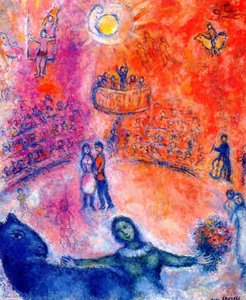
Acrobatics
Veličina reprodukcije
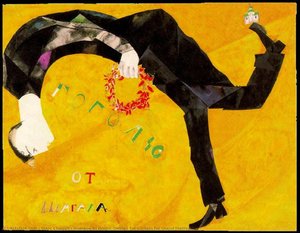
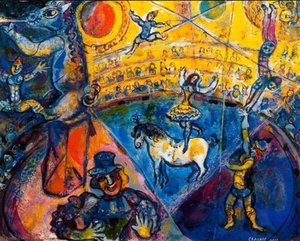
Marc Chagall’s “Acrobatics,” completed in 1963, stands as a testament to the artist's enduring fascination with dreams, memory, and the fantastical realm of childhood. Painted in Naïve Art style—a movement characterized by its rejection of academic conventions and embrace of childlike spontaneity—the canvas captures a moment suspended between earthly constraints and boundless aspiration.
Unlike Impressionism or Cubism, which sought to dissect reality into fragmented perspectives, Chagall’s approach prioritizes emotional expression over meticulous representation. Thickly applied paint—a hallmark of Naïve Art—creates a textured surface that pulsates with color and conveys an immediacy rarely achieved in more polished artistic styles. The artist eschews linear perspective, opting instead for flattened planes that heighten the sense of illusion and invite viewers into Chagall’s subjective experience.
"Acrobatics" is deeply rooted in Chagall's formative years spent in Vitebsk, Belarus—a town that served as a constant source of inspiration throughout his prolific career. The painting reflects the cultural landscape of Vitebsk during the period, where Jewish and Orthodox traditions intertwined, shaping artistic sensibilities. Furthermore, it emerged against the backdrop of Soviet repression following World War II, when Chagall faced censorship and endured personal hardship—experiences that undoubtedly informed the artwork’s melancholic undertones.
The composition is replete with symbolic imagery typical of Chagall's oeuvre. Dominating the scene are figures engaged in acrobatic maneuvers, representing a defiance of gravity and an upward striving for transcendence—themes central to Jewish mysticism and Chagall’s broader artistic vision. Surrounding these dancers are stylized flowers—particularly lilies—which symbolize purity and resurrection—references to biblical narratives and Chagall's own spiritual beliefs. The inclusion of a clock and vase adds layers of meaning, prompting contemplation on time, mortality, and the beauty of nature.
"Acrobatics" resonates with viewers not merely as an aesthetically pleasing artwork but also as a conduit to Chagall's innermost feelings. The painting evokes a sense of wonderment mingled with sadness—a poignant reminder of the passage of time and the fragility of human existence. Yet, its vibrant colors and dynamic movement instill optimism and convey a conviction that beauty persists even amidst adversity—a message conveyed powerfully by Chagall’s masterful manipulation of color and form.
This captivating artwork exemplifies Chagall’s unparalleled ability to transform personal experience into universal symbolism—a legacy that continues to inspire artists and collectors worldwide.
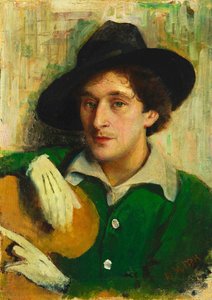
1887 - 1985 , Bjelorusija


Budite u tijeku s najnovijim umjetničkim vijestima, ekskluzivnim ponudama i idejama za dekoraciju.
Recite nam nešto o svom projektu, a naši će stručnjaci za umjetnost pripremiti 3 personalizirana prijedloga umjetnina.
Dopustite nam da odaberemo 3 opcije samo za Vas – Besplatno!


 Preview
 Pošalji
 Podijeli
 Detalji o umjetničkom djelu

 Preuzmi
 Slični predmeti
 Rentgenska snimka
 Automatska prezentacija
 Prikaži više







 Opcija stakla dostupna je samo za dimenzije manje od 110 cm