x

 Ulje na platnuZidna umjetnostSurrealism
 1939Modernizam
 117.0 x 88.0 cm
Giclée tisak muzejske kvalitete ili otisak na platnu uz brzu proizvodnju i fleksibilne opcije završne obrade. ( Kupi ručno naslikanu sliku Kupi digitalnu sliku)





























Odaberite jednu od naših unaprijed definiranih veličina koje odgovaraju izvornim proporcijama umjetničkog djela.

Možete unijeti vlastite dimenzije kako biste umjetničko djelo prilagodili specifičnom okviru ili prostoru. Ako odabrana veličina ne odgovara proporcijama izvornog rada, izrezat ćemo dio slike ili je proširiti pomoću ogledalnog efekta ili jednobojne rubne površine. Digitalni prikaz (mockup) bit će vam poslan na odobrenje prije početka proizvodnje.
Imajte na umu da pregled na zaslonu ne odražava stvarno izrezivanje ili proširivanje. Samo će mockup točno prikazati konačnu kompoziciju.
Iako su dostupne prilagođene veličine, preporučujemo odabir dimenzije iz unaprijed definirane liste kako biste očuvali izvorne proporcije.
Dostava širom svijeta () u roku od 2 tjedna umjesto standardnih 4/5 tjedana. (18 Kolovoz)


Midsummer Night's Dream
Veličina reprodukcije
Marc Chagall's "Midsummer Night's Dream," completed in 1939, is not simply a painting; it’s an invitation into the artist’s deeply personal and profoundly symbolic universe. This oil-on-canvas work, measuring 117 x 88 cm, pulsates with the vibrant energy that defines Chagall’s mature style – a captivating fusion of Surrealism, Cubist influences, and the rich tapestry of Jewish folklore. The painting immediately draws the viewer into a realm where reality gently dissolves, yielding to a dreamscape brimming with emotion and layered meaning. It stands as a testament to Chagall's remarkable ability to transform personal experience into universal symbols, inviting endless interpretation and profound contemplation.
At the heart of the composition lies an intimate embrace – a man and woman instantly recognizable as representations of Marc Chagall himself and his beloved wife, Valentina Kuljukova. However, their connection transcends mere portraiture. They are not just lovers but embodiments of unity, harmony, and the enduring power of love. The woman’s gesture—a tender kiss upon the man's face—is particularly poignant, suggesting a merging of souls, a shared dream state where boundaries blur. Surrounding them is not a conventional landscape, but rather a fantastical panorama populated by recurring motifs from Chagall’s life and imagination: birds soaring through the air, often symbolizing freedom and spirituality, and a clock – a deliberate inclusion that subtly challenges our linear perception of time, hinting at the timelessness of love and memory. The presence of two additional birds in the upper right corner adds to this sense of movement and an almost ethereal quality, as if they are messengers from another realm.
Chagall’s technique is immediately arresting. He employs bold, expressive brushstrokes, layering colors with a joyous abandon that defies traditional academic painting. The palette itself is remarkably vibrant – deep blues and greens mingle with fiery reds and yellows, creating an intense visual rhythm. This use of flattened perspective, reminiscent of Cubism, further contributes to the dreamlike atmosphere, prioritizing emotional impact over strict realism. Light plays a crucial role; Chagall masterfully uses it to illuminate key elements, drawing our attention to the central figures while casting a soft, diffused glow across the entire scene. This technique, informed by his study of light as exemplified by artists like Rembrandt, elevates the work beyond mere representation and imbues it with an almost spiritual quality.
The historical context surrounding “Midsummer Night’s Dream” is equally significant. Painted in 1939, on the cusp of World War II, the painting can be interpreted as a yearning for peace, harmony, and a return to simpler times. Chagall's Jewish heritage deeply informed his work, and elements of folklore and religious symbolism are interwoven throughout. The veil worn by the woman is particularly evocative, referencing traditional Jewish bridal customs and adding an element of mystery and allure. Furthermore, the painting’s creation coincided with Chagall’s increasing engagement with Surrealism, a movement that embraced the subconscious mind and challenged conventional notions of reality – perfectly aligning with the dreamlike quality of this particular work. Ultimately, “Midsummer Night’s Dream” is more than just a beautiful painting; it's an invitation to step into Chagall’s world—a world brimming with emotion, symbolism, and boundless imagination.

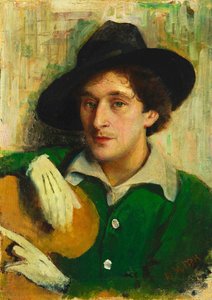
1887 - 1985 , Bjelorusija

Explore the profound depths of Surrealism. From Dalí’s dreamscapes to Magritte’s enigmas, master the history of the subconscious mind through our expert art guide and discover museum-quality oil reproductions of the world's most iconic surrealist masterpieces.

Explore the profound depths of Surrealism with our expert guide. From Dalí's dreamscapes to Breton's manifesto, uncover the history, symbolism, and technical mastery of this revolutionary movement. Perfect for students and collectors seeking deep art-historical insight.


Budite u tijeku s najnovijim umjetničkim vijestima, ekskluzivnim ponudama i idejama za dekoraciju.
Recite nam nešto o svom projektu, a naši će stručnjaci za umjetnost pripremiti 3 personalizirana prijedloga umjetnina.
Dopustite nam da odaberemo 3 opcije samo za Vas – Besplatno!


 Pregledaj u stvarnoj veličini
 Pošalji
 Podijeli
 Detalji o umjetničkom djelu

 Preuzmi
 Slični predmeti
 Rentgenska snimka
 Automatska prezentacija
 Prikaži više







 Opcija stakla dostupna je samo za dimenzije manje od 110 cm