Prodajte svoju umjetnost
Lista želja Vaša košarica Cart
Pregledaj u stvarnoj veličiniPregledaj u stvarnoj veličini AR pregledAR pregled Kupi print Kupi printKupi digitalnu sliku Kupi digitalnu sliku PošaljiPošalji
Detalji o umjetničkom djeluDetalji o umjetničkom djelu Dodaj u omiljene Dodaj u omiljene PreuzmiPreuzmi Slični predmetiSlični predmeti Rentgenska snimkaRentgenska snimka Automatska prezentacijaAutomatska prezentacija

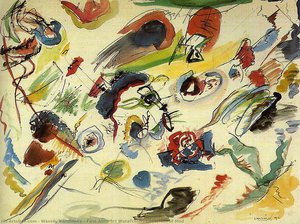
Abstract Construction

Marcel Janco: Romanian & Israeli artist, Dada co-inventor, Constructivist pioneer. Known for innovative architecture & urban planning, art nouveau, & impactful designs.

Ručno rađena uljana reprodukcija

Ručno oslikano uljanim bojama na platnu u dimenzijama i okviru po vašem izboru, izrađeno po narudžbi od strane naših umjetnika. (Kupi print Kupi printKupi digitalnu sliku Kupi digitalnu sliku)

Standard
custom
CM
INCH

Odaberite jednu od naših unaprijed definiranih veličina koje odgovaraju izvornim proporcijama umjetničkog djela.

širina
visina

Možete unijeti vlastite dimenzije kako bi odgovarale određenom okviru ili prostoru. Ako odabrana veličina ne odgovara proporcijama izvorne slike, izrezat ćemo umjetničko djelo ili proširiti sliku dodatnim ručno oslikanim elementima. Digitalni nacrt bit će vam poslan na odobrenje prije početka proizvodnje.
Imajte na umu da pregled na ekranu ne prikazuje stvarno izrezivanje ili proširivanje. Samo će nacrt točno prikazati konačni sastav.
Iako su dostupne prilagođene veličine, preporučujemo odabir dimenzije s preddefiniranog popisa kako bismo očuvali izvorne proporcije.

Primjeri mogućnosti prilagodbe: Zamijenite lice fotografijom klijenta; Dodajte ljubimca (npr. zamijenite mačku psom); Uključite skrivenu poruku u pozadinu; Promijenite pejzaž ili elemente pozadine.
Nakon narudžbe, tim Most-Famous-Paintings.com kontaktirat će klijenta putem e-pošte radi dobivanja uputa te dostaviti probni prikaz (mockup).

Isporuka širom svijeta () u roku od 3-4 tjedna umjesto standardnih 5 tjedana. (14 Kolovoz). Bez kompromisa u kvaliteti.

why_choose_icon
Besplatna ekspresna dostava širom svijeta
why_choose_icon
Visokokvalitetno laneno platno
why_choose_icon
Potpuno osiguranje dostave
why_choose_icon
Jamstvo povrata carine i uvoznih poreza
why_choose_icon
Garancija vjernog podudaranja boja
why_choose_icon
Politika povrata u roku od 60 dana (samo u slučaju nedostataka)
why_choose_icon
Jamstvo povrata 100% novca
why_choose_icon
Popust na više proizvoda

Ukupna cijena

$ 272

reproduction

Abstract Construction

Tehnika reprodukcije

Veličina reprodukcije

-

Ukupna cijena

$ 272


Biografija umjetnika

A Pioneer of the Avant-Garde: The Life and Legacy of Marcel Janco

Marcel Janco, born Marcel Hermann Iancu in Bucharest, Romania, on May 24th, 1895, was a figure whose artistic journey spanned continents and movements, leaving an indelible mark on the landscape of modern art. Emerging from a comfortable upbringing within a Jewish family, Janco’s early life fostered a sensitivity to social injustice that would later permeate his work. His initial training at the Gheorghe Șincai School instilled in him a foundational understanding of artistic technique, further enriched by influences ranging from Cézanne and Cubism to Futurism. However, it was not merely technical skill that defined Janco; it was an insatiable curiosity and a restless spirit that propelled him toward radical experimentation. He began his career as an illustrator for the Romanian art magazine *Simbolul* in 1912, co-editing alongside Ion Vinea and Tristan Tzara – a collaboration that would soon ignite one of the most disruptive forces in artistic history: Dadaism.

The Birth of Dada and Beyond

The outbreak of World War I served as a catalyst for Janco’s relocation to Zurich, Switzerland, a neutral haven teeming with artists and intellectuals seeking refuge from the escalating conflict. It was here, alongside Tzara, Hans Arp, Richard Huesenbeck, Hugo Ball, and Emmy Hennings, that he co-invented Dadaism. This wasn't simply an artistic style; it was a revolt against reason, logic, and the perceived societal norms that had led to the horrors of war. The Cabaret Voltaire became their laboratory—a space for chaotic performances, provocative poetry readings, and visually jarring works that deliberately defied convention. Janco’s contribution extended beyond painting; he designed unsettling masks and stage sets, transforming performers into archetypal figures embodying the absurdity of existence. These creations weren't intended as aesthetic objects but rather as tools to shock audiences out of complacency and question established values. However, by 1919, a growing disillusionment with Dada’s nihilistic tendencies led Janco down a new path. He co-founded *Das Neue Leben* with Hans Arp, signaling a shift towards Constructivism—a movement focused on abstraction, geometric forms, and the potential for art to serve social purposes.

Returning Home: Contimporanul and Romanian Modernism

Janco’s return to Romania in 1922 marked a pivotal moment in his career. Reunited with Ion Vinea, he established *Contimporanul*, an influential magazine that became the leading voice of the Romanian avant-garde. This publication championed a dynamic blend of Constructivism, Futurism, and Cubism, advocating for a “revolutionary” vision of urban planning and architecture. Janco wasn’t content with merely theorizing; he actively translated his ideas into tangible form, designing some of Bucharest's most innovative landmarks during the 1930s. His architectural projects were characterized by bold geometric shapes, functional design, and a commitment to creating spaces that reflected the energy and dynamism of modern life. He envisioned a city transformed—a utopian landscape where art and architecture served as catalysts for social progress. This period also saw Janco exploring various artistic mediums, including illustration, sculpture, and oil painting, demonstrating his versatility and unwavering dedication to experimentation.

Emigration, Recognition, and the Ein Hod Colony

The rise of antisemitism in Romania cast a dark shadow over Janco’s life and work. As persecution intensified before and during World War II, he made the difficult decision to emigrate to the British Mandate for Palestine in 1941, seeking refuge from the escalating violence. This relocation proved transformative. The vibrant light of the Holy Land inspired a shift in his palette, incorporating brighter colors and abstract elements into his painting style. He became actively involved in the local art scene, co-founding the *Ofakim Hadashim* (New Horizons) group of landscape painters and contributing significantly to the development of modern Israeli art. Janco’s talent and dedication were recognized with prestigious awards—the Dizengoff Prize and the Israel Prize—testifying to his profound impact on the cultural landscape of his adopted homeland. In 1953, he realized a long-held dream by establishing Ein Hod, a utopian artist colony intended as a haven for creativity and collaboration. This village, built on the ruins of an abandoned Arab settlement, became a symbol of artistic freedom and a testament to Janco’s enduring belief in the power of art to shape a better world. Marcel Janco passed away in 1984, leaving behind a rich legacy that continues to inspire artists and architects today—a legacy built on innovation, experimentation, and an unwavering commitment to social justice.
  • Early Influences: Cézanne, Cubism, Futurism, Art Nouveau, Expressionism.
  • Key Movements: Dadaism, Constructivism, Romanian Avant-Garde.
  • Major Achievements: Co-invention of Dadaism, Founding of *Contimporanul*, Innovative architectural designs in Bucharest, Establishment of Ein Hod art colony.
  • Historical Significance: A pivotal figure in the development of modern art, bridging European avant-garde movements with Israeli artistic expression. His work challenged conventional norms and advocated for a socially conscious role for art and architecture.
marcel hermann iancu

marcel hermann iancu

1895 - 1984 , Romania

Osnovne informacije

  • Artistic Movement Or Style: Dadaism, Constructivism, Art Nouveau, Futurism, Expressionism
  • Artists Or Movements Influenced By This Artist: ['Hans Arp']
  • Artists Who Influenced This Artist:
    • Ion Vinea
    • Tristan Tzara
  • Date Of Birth: May 24, 1895
  • Date Of Death: April 21, 1984
  • Full Name: Marcel Hermann Iancu
  • Nationality: Romanian & Israeli
  • Notable Artworks:
    • Untitled
    • Soldier
    • Locker and Key
  • Place Of Birth: Bucharest, Romania