x

Giclée tisak muzejske kvalitete ili otisak na platnu uz brzu proizvodnju i fleksibilne opcije završne obrade. ( Kupi ručno naslikanu sliku Kupi digitalnu sliku)





























Odaberite jednu od naših unaprijed definiranih veličina koje odgovaraju izvornim proporcijama umjetničkog djela.

Možete unijeti vlastite dimenzije kako biste umjetničko djelo prilagodili specifičnom okviru ili prostoru. Ako odabrana veličina ne odgovara proporcijama izvornog rada, izrezat ćemo dio slike ili je proširiti pomoću ogledalnog efekta ili jednobojne rubne površine. Digitalni prikaz (mockup) bit će vam poslan na odobrenje prije početka proizvodnje.
Imajte na umu da pregled na zaslonu ne odražava stvarno izrezivanje ili proširivanje. Samo će mockup točno prikazati konačnu kompoziciju.
Iako su dostupne prilagođene veličine, preporučujemo odabir dimenzije iz unaprijed definirane liste kako biste očuvali izvorne proporcije.
Dostava širom svijeta () u roku od 2 tjedna umjesto standardnih 4/5 tjedana. (17 Kolovoz)


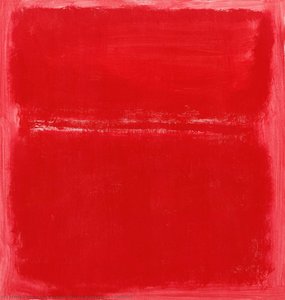
Entombment II
Veličina reprodukcije
Mark Rothko's Entombment II isn’t a painting that immediately shouts for attention. It doesn’t demand to be deciphered with a quick glance. Instead, it invites a prolonged engagement, a quiet contemplation born from the sheer density of texture and the profound emotional weight held within its muted palette. Created between 1964 and 1970, during a period when Rothko was deeply invested in creating spaces for reflection and spiritual experience – most notably at the Rothko Chapel in Houston – this work embodies his signature style: vast fields of color stacked upon one another, layered with an almost sculptural quality. The dominant hues are shades of grey and brown, punctuated by a subtle, ethereal blue that seems to emerge from the depths of the composition. It’s a world stripped bare of representational imagery, reduced to its most elemental components – color, texture, and form—a deliberate move away from the more overtly expressive gestures of his earlier Abstract Expressionist peers.
The painting's surface is a chaotic yet meticulously controlled landscape. Thick impasto strokes build up layers upon layers, creating an intensely tactile experience. Scratches and scrapes deliberately disrupt the smooth expanse of paint, adding to the sense of unease and fragmentation. These aren’t random marks; they are integral to Rothko’s process, acting as a way to both control and release energy within the canvas. The composition itself is deliberately flattened, eschewing traditional perspective in favor of a spatial ambiguity that draws the viewer inward. Lines, though not sharply defined, intersect and overlap, creating a dynamic tension that suggests movement and instability. It's a deliberate rejection of clarity, mirroring perhaps the artist’s own internal struggles with mortality and existential questions.
To truly appreciate Entombment II, it’s crucial to understand the context of Mark Rothko's life. Born Markus Yakovlevich Rothkowitz in Dvinsk (now Daugavpils), Latvia, in 1903, his early years were marked by a profound sense of displacement and anxiety. His family, Jewish immigrants fleeing persecution in the Russian Empire, faced constant challenges – poverty, discrimination, and the ever-present threat of violence. This formative experience instilled within him a deep sensitivity to human suffering, a theme that would become a recurring motif throughout his oeuvre. The loss of his father early in life, coupled with the difficulties of assimilation in America, fueled a lifelong exploration of themes like mortality, trauma, and the search for meaning – questions that resonate powerfully within this painting. Rothko’s artistic journey was thus deeply intertwined with his personal history, shaped by a profound awareness of the fragility of human existence.
While Rothko famously resisted definitive interpretations of his work, it's clear that color played a central role in conveying emotion and spiritual experience. The dominant grey and brown tones evoke feelings of melancholy, loss, and perhaps even grief – echoes of his own childhood experiences. However, the subtle blue element introduces an element of hope or transcendence, suggesting a potential for solace amidst the darkness. The rectangular forms themselves are not meant to be easily defined; they’re more akin to emotional zones, areas of feeling rather than concrete objects. Some art historians suggest that these shapes represent tombs, referencing the painting's title and hinting at themes of death and resurrection. The layering of colors creates a sense of depth and complexity, inviting the viewer to lose themselves within the painting’s immersive atmosphere.
Mark Rothko's work continues to captivate audiences with its raw emotional power and deceptively simple forms. Entombment II stands as a testament to his unique approach to abstraction, prioritizing feeling over representation. Its enduring appeal lies in its ability to evoke a profound sense of introspection, prompting viewers to confront their own anxieties and contemplate the mysteries of existence. Reproductions of this piece offer a remarkable opportunity to experience Rothko’s vision firsthand, bringing the intensity of his studio into your space. Consider commissioning a hand-painted reproduction from Most-Famous-Paintings.com to bring this powerful work into your home or office – a tangible reminder of the enduring legacy of one of modern art's most enigmatic and influential figures.
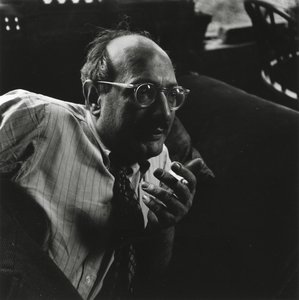
1903 - 1970 , Latvija

Explore the profound emotional depth of Color Field painting. Discover the history of mid-century abstraction, from Rothko to Newman, and learn how pure color transforms the viewer's experience through our expert art history guide.

Explore the profound emotional depth of Color Field painting. Our expert guide delves into the post-war origins of Abstract Expressionism, analyzing masterpieces by Rothko and Newman. Discover museum-grade, hand-painted oil reproductions that bring art history to your walls.

Explore the profound history and emotional depth of Color Field painting. From Mark Rothko to Barnett Newman, discover how pure color redefined modern art through our expert-led guide for students and collectors alike.

Explore the profound history and emotional depth of Abstract Expressionism. From Jackson Pollock to Mark Rothko, master the nuances of the New York School through our expert art history guide. Discover museum-quality hand-painted reproductions for your collection.
Explore the profound emotional depth of Lyrical Abstraction. Discover how masters like Raymond Parker used color and form to bridge Impressionism and Abstract Expressionism. Learn about this pivotal movement through our expert-led art history guide.


Budite u tijeku s najnovijim umjetničkim vijestima, ekskluzivnim ponudama i idejama za dekoraciju.
Recite nam nešto o svom projektu, a naši će stručnjaci za umjetnost pripremiti 3 personalizirana prijedloga umjetnina.
Dopustite nam da odaberemo 3 opcije samo za Vas – Besplatno!


 Pregledaj u stvarnoj veličini
 Pošalji
 Podijeli
 Detalji o umjetničkom djelu

 Preuzmi
 Slični predmeti
 Rentgenska snimka
 Automatska prezentacija

 Prikaži više







 Opcija stakla dostupna je samo za dimenzije manje od 110 cm