x

 Oil On CanvasWallArtEarly Netherlandish Painting
 1508
1508 73.0 x 53.0 cm
 Kunstmuseum Basel
Giclée tisak muzejske kvalitete ili otisak na platnu uz brzu proizvodnju i fleksibilne opcije završne obrade. ( Kupi ručno naslikanu sliku Kupi digitalnu sliku)





























Odaberite jednu od naših unaprijed definiranih veličina koje odgovaraju izvornim proporcijama umjetničkog djela.

Možete unijeti vlastite dimenzije kako biste umjetničko djelo prilagodili specifičnom okviru ili prostoru. Ako odabrana veličina ne odgovara proporcijama izvornog rada, izrezat ćemo dio slike ili je proširiti pomoću ogledalnog efekta ili jednobojne rubne površine. Digitalni prikaz (mockup) bit će vam poslan na odobrenje prije početka proizvodnje.
Imajte na umu da pregled na zaslonu ne odražava stvarno izrezivanje ili proširivanje. Samo će mockup točno prikazati konačnu kompoziciju.
Iako su dostupne prilagođene veličine, preporučujemo odabir dimenzije iz unaprijed definirane liste kako biste očuvali izvorne proporcije.
Dostava širom svijeta () u roku od 2 tjedna umjesto standardnih 4/5 tjedana. (20 Kolovoz)


Calvary
Veličina reprodukcije
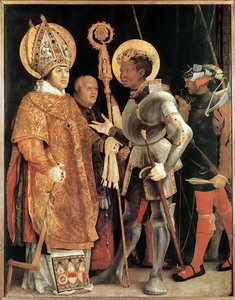
Matthias Grünewald's “Calvary,” painted in 1508, isn’t merely a depiction of the crucifixion; it’s a visceral plunge into the heart of human suffering and spiritual torment. Born in Würzburg around 1470, Grünewald stood as a pivotal figure bridging the late medieval artistic traditions of Northern Europe with the nascent fervor of the Renaissance. Unlike his Italian counterparts who embraced humanist ideals, Grünewald remained deeply rooted in the emotional intensity and meticulous observation characteristic of his region, creating an artwork profoundly shaped by religious devotion rather than secular concerns. This painting, now housed at the Kunstmuseum Basel, is a testament to this unique approach – a raw, unflinching portrayal of Christ’s sacrifice that continues to resonate with viewers centuries later.
The composition itself immediately commands attention. Grünewald employs a pyramidal structure, anchoring the scene around the central figure of Christ on the cross. His body, rendered with an almost brutal realism, is contorted in agony, muscles straining under the weight of his torment. The figures surrounding him – Mary weeping, John the Evangelist recoiling in horror, and onlookers expressing disbelief – are not idealized representations but rather embodiments of human emotion: grief, despair, and confusion. The tight arrangement within the frame creates a claustrophobic atmosphere, intensifying the sense of tragedy and drawing the viewer directly into the scene’s unbearable weight.
Grünewald's masterful technique is immediately apparent in the painting’s rich textures and dramatic use of color. He eschewed the smooth, polished surfaces favored by some Renaissance artists, opting instead for a deliberately rough and uneven application of oil paint. This creates a tactile quality, inviting viewers to almost feel the grit beneath their fingertips. The palette is dominated by muted browns, ochres, and deep reds – colors that evoke both the earthiness of the landscape and the blood spilled on Christ’s body. Highlights of white accentuate Christ's flesh, drawing attention to his suffering while simultaneously emphasizing the stark contrast between life and death.
The artist’s layering technique is particularly noteworthy. Grünewald built up form through multiple thin layers of paint, creating a sense of depth and volume that belies the painting’s relatively small scale. The use of linear perspective, though somewhat flattened compared to later Renaissance works, effectively guides the viewer's eye towards Christ at the apex of the composition. The careful rendering of drapery – the heavy folds of Christ’s tunic and the flowing garments of the onlookers – adds another layer of visual complexity, demonstrating Grünewald’s exceptional skill in capturing the nuances of fabric.
“Calvary” is laden with symbolic meaning. The stark landscape, devoid of any comforting details, represents the desolate reality of Christ's abandonment. The instruments of torture – the nails, the beam, the rope – are not merely props but potent symbols of human cruelty and divine suffering. The expressions on the faces of the onlookers range from sorrow to disbelief, reflecting the profound theological implications of Christ’s sacrifice: a rejection of worldly power and an affirmation of faith in the face of unimaginable pain.
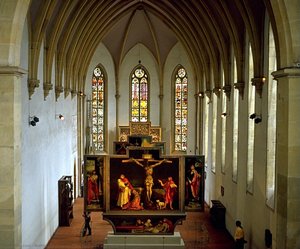
Furthermore, the painting's placement within the Isenheim Altarpiece—a larger work featuring multiple scenes from the life of Christ—contributes to its overall significance. “Calvary” serves as a pivotal moment within this complex narrative, embodying both the physical agony and the spiritual redemption offered by Christ’s death. The altarpiece as a whole was designed to be viewed in different configurations, offering viewers a multifaceted experience of faith and suffering.
Matthias Grünewald's “Calvary” stands as a landmark achievement in Northern Renaissance art. His willingness to embrace emotional intensity and unflinching realism set him apart from his contemporaries, forging a unique artistic voice that continues to captivate viewers today. The painting’s enduring power lies not only in its technical brilliance but also in its profound exploration of human suffering and spiritual longing. It is a work that demands contemplation, inviting us to confront the uncomfortable truths about mortality, faith, and the nature of sacrifice – a timeless masterpiece that transcends its historical context.

Matthias Grünewald, rođen kao Mathis Gothart Neithardt oko 1470.-1475. u Würzburgu, Njemačka, bio je iznimno važna figura njemačke renesanse. Iako je živio u razdoblju sve većeg utjecaja talijanskih renesansnih ideala, Grünewald je ostao duboko ukorijenjen u umjetničkim tradicijama kasnog srednjovjekovnog Središnje Europe. Detalji o njegovom ranom životu su oskudni, ali se zna da je primio umjetničku obuku, vjerojatno unutar lokalnih radionica.
Grünewaldov umjetnički razvoj oblikovale su prevladavajuće sjevernoeuropske tradicije realizma, emocionalne intenzivnosti i detaljne promatljivosti. Njegovo djelo pokazuje utjecaje umjetnika poput Albrechta Dürera i Martina Schongauera, ali je izkovao jedinstveni put obilježen dramatičnim izrazom i živopisnom bojom. Nije bio izravno uključen u humanističke krugove koji su prevladavali u Italiji; umjesto toga, njegova umjetnost služila je prvenstveno religioznim svrhomama, odražavajući duhovne nemire svog vremena.
Grünewaldov stil karakterizira snažan osjećaj dramatičnosti, intenzivno korištenje boje i duboka psihološka introspekcija. Njegova su djela često prikazivala patnju i žrtvu s iznimnom realističnošću, što je odražavalo teološke koncepte tog vremena. Jedno od njegovih najpoznatijih djela, Isenheimski oltar (1512.-1516.), smješten u Musée d'Unterlinden u Colmaru, smatra se njegovim remek-djelom. Oltar prikazuje scene iz Kristovog života s potresnom realističnošću, posebno usredotočujući se na patnju i otkupljenje. Njegova Križanje (oko 1502.-1503.), ranije djelo, demonstrira njegov rastući stil, pokazujući intenzivne emocije i anatomski detalj. Ostala važna djela uključuju Djevicu s navještenjem (1512.-14.), studiju za Isenheimski oltar koja otkriva njegov pedantan proces planiranja, te crtež Mojsija (1511.) koji ističe njegovu vještinu u hvatanju ekspresivnih figura i dramatičnih poza.
Grünewaldov rad stoji kao svjedočanstvo trajne snage srednjovjekovnih umjetničkih tradicija u Njemačkoj tijekom renesanse. On je poslužio kao most između kasnog gotičkog stila i novonastale renesanse, stvarajući jedinstveni vizualni jezik koji je odjeknuo kod njegovih suvremenika. Njegov utjecaj se može vidjeti u kasnijim njemačkim umjetnicima koji su nastavili istraživati teme religioznog žara i emocionalne intenzivnosti. Iako je bio zaboravljen stoljećima nakon njegove smrti 1528. godine, Grünewald je doživio preporod u 19. stoljeću, a danas je priznat kao jedan od najvažnijih slikara njemačke renesanse. Njegova umjetnost nastavlja očaravati gledatelje svojim sirovim emocijama, tehničkom briljantnošću i dubokom duhovnom dubinom.
Saznajte više o životu i djelima Matthiasa Grünewalda na: Most-Famous-Paintings

1480 - 1528

Explore the profound beauty of the Early Netherlandish Renaissance. Discover how masters like Jan van Eyck revolutionized art through oil painting, light, and symbolism. A definitive guide for history lovers and collectors seeking to understand the Northern Renaissance.

Explore the luminous mastery of Early Netherlandish painting. Discover how Jan van Eyck and the Flemish masters revolutionized art through oil innovation, hyper-realism, and profound symbolism in this expert guide to the Northern Renaissance.


Budite u tijeku s najnovijim umjetničkim vijestima, ekskluzivnim ponudama i idejama za dekoraciju.
Recite nam nešto o svom projektu, a naši će stručnjaci za umjetnost pripremiti 3 personalizirana prijedloga umjetnina.
Dopustite nam da odaberemo 3 opcije samo za Vas – Besplatno!


 Pregledaj u stvarnoj veličini
 Pošalji
 Podijeli
 Detalji o umjetničkom djelu

 Preuzmi
 Slični predmeti
 Rentgenska snimka
 Automatska prezentacija
 Prikaži više







 Opcija stakla dostupna je samo za dimenzije manje od 110 cm