


x


 Preview
 Kupi otisak Naručite reprodukciju
 Pošalji
 Detalji o umjetničkom djelu
 Dodaj u omiljene
 Preuzmi
 Slični predmeti
 Rentgenska snimka
 Automatska prezentacija
Kupite digitalnu sliku visoke rezolucije i poboljšane kvalitete, koja je znatno superiornija od online prikaza.
Svaka datoteka pedantno je pripremljena od strane naših internih stručnjaka koristeći napredne alate i vještinsku ručnu retušu. Osiguravamo da svaka slika ima iznimnu jasnoću, preciznu točnost boja i visoku razinu detalja.
Konačna datoteka dostavlja se putem e-pošte u roku od 72 sata, optimizirana za neposrednu upotrebu u profesionalnim, uredničkim i tiskarskim okruženjima. To je ista kvaliteta kojoj vjeruju vrhunski studiji dizajna, izdavači i galerije.
Preuzmite datoteku visoke rezolucije za osobnu izložbu, tisak i kreativne projekte.
Odabirom Most-Famous-Paintings.com ne dobivate samo sliku – dobivate profesionalno unapređeno digitalno umjetničko djelo, izrađeno s najvećom preciznošću uz jamstvo zadovoljstva. Evo svega što automatski dolazi uz vašu narudžbu:

Vaša digitalna slika visoke rezolucije bit će vam poslana e-mailom u roku od 72 sata od narudžbe – spremna za neposrednu upotrebu.

Vaše umjetničko djelo profesionalno je optimizirano pomoću naprednih AI alata i ručnog uređivanja, čime se osigurava maksimalna razina detalja, oštrine i točnosti boja.

Slučajno ste obrisali ili izgubili svoju datoteku? Ne brinite – ponovno ćemo vam je poslati u bilo kojem trenutku, potpuno besplatno.

Uživajte u svojim umjetničkim djelima trenutno, bez carina, pristojbi ili troškova dostave – digitalne datoteke uvijek su oslobođene poreza.

Uz pomoć profesionalnih alata i upravljanja bojama, osiguravamo da vaša digitalna slika što vjernije odražava izvorne boje.

Ako niste zadovoljni svojom digitalnom slikom, revidirat ćemo je ili vratiti 100% novca u roku od 60 dana – bez ikakvih pitanja.

Niste zadovoljni? Osigurajte puni povrat novca u roku od 60 dana od primitka vaše digitalne datoteke – bez suvišnih pitanja.

Kupite 3 slike, uštedite 10% - Kupite 5 slika, uštedite 15% - Kupite 10+ slika, uštedite 20%. Odlično za kreativne projekte, galerije i agencije.
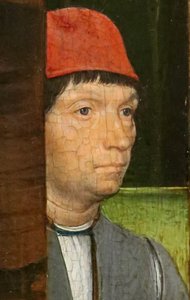
Hans Memling’s “untitled (6791)” – more commonly understood as his depiction of the Triumph of Saint Michael – is not merely a painting; it's a meticulously crafted theological statement, a visual sermon rendered with the astonishing detail characteristic of the Early Netherlandish masters. The work plunges us into a dramatic confrontation between celestial power and infernal darkness, embodying the eternal struggle between good and evil with an intensity that resonates even centuries after its creation. Memling doesn’t simply *show* us this battle; he invites us to witness it, drawing us into a claustrophobic space where the weight of divine judgment feels palpable.
To appreciate “untitled (6791)” fully is to understand its place within the blossoming artistic landscape of 15th-century Bruges. Memling, having honed his skills under Rogier van der Weyden in Brussels, brought a refined sensibility to the city’s thriving art scene. His technique exemplifies the hallmarks of the Northern Renaissance: an almost obsessive attention to detail, a preference for oil paints applied in delicate layers – or glazes – that build up luminosity and depth, and a compositional approach that prioritizes clarity of narrative over strict adherence to perspective. Look closely at Saint Michael’s armor; it isn't merely gold, but a shimmering surface reflecting an inner light. Observe the expressions etched onto the faces of the damned—each contorted in unique agony. This is not generalized suffering, but individualized torment. The subtle use of geometric forms – squares, rectangles, and circles – provides an underlying structure to the seemingly chaotic scene, lending it a sense of harmony despite its dramatic subject matter.
The painting’s power extends far beyond its technical brilliance; it is deeply imbued with symbolism. Saint Michael, archangel and warrior of God, stands as an unwavering beacon of righteousness, his raised sword a potent symbol of justice and the triumph over evil. Around him, angels proclaim victory with resounding blasts from their horns. Below unfolds a harrowing vision of damnation: naked figures, chained and writhing in despair, represent fallen humanity consumed by sin. The inclusion of scales is particularly significant – representing divine judgment, carefully weighing each soul’s worth. These aren't merely decorative elements; they are integral to the painting’s moral narrative. Even the hazy landscape in the background isn’t a realistic depiction of place but rather an atmospheric backdrop that amplifies the spiritual drama unfolding in the foreground, focusing our attention on the central conflict and its eternal consequences.
Hans Memling flourished in Bruges during a period of immense wealth and artistic patronage. The city was a vital hub for commerce, attracting merchants, aristocrats, and clergymen who eagerly commissioned works like “untitled (6791)” to express their piety and status. Memling’s clientele weren't simply seeking beautiful objects; they desired devotional pieces that would inspire contemplation and reinforce their faith. This painting likely served as such an object – perhaps adorning a private chapel or enriching the interior of a church, prompting viewers to reflect on their own mortality and spiritual well-being. It is a testament to the religious fervor and moralizing tendencies prevalent in 15th-century Northern Europe, a period deeply concerned with salvation and the consequences of earthly transgression. The enduring appeal of Memling’s work lies not only in its aesthetic beauty but also in its ability to simultaneously inspire reverence and provoke profound introspection.

Njemačka


Budite u tijeku s najnovijim umjetničkim vijestima, ekskluzivnim ponudama i idejama za dekoraciju.
Recite nam nešto o svom projektu, a naši će stručnjaci za umjetnost pripremiti 3 personalizirana prijedloga umjetnina.
Dopustite nam da odaberemo 3 opcije samo za Vas – Besplatno!


 Podijeli


 Prikaži više


