


x

 Akril na platnuZidna umjetnostSurrealism
 1923Modernizam
 205.0 x 174.0 cm
Ručno oslikano uljanim bojama na platnu u dimenzijama i okviru po vašem izboru, izrađeno po narudžbi od strane naših umjetnika. ( Kupi print Kupi digitalnu sliku)





























Odaberite jednu od naših unaprijed definiranih veličina koje odgovaraju izvornim proporcijama umjetničkog djela.

Možete unijeti vlastite dimenzije kako bi odgovarale određenom okviru ili prostoru. Ako odabrana veličina ne odgovara proporcijama izvorne slike, izrezat ćemo umjetničko djelo ili proširiti sliku dodatnim ručno oslikanim elementima. Digitalni nacrt bit će vam poslan na odobrenje prije početka proizvodnje.
Imajte na umu da pregled na ekranu ne prikazuje stvarno izrezivanje ili proširivanje. Samo će nacrt točno prikazati konačni sastav.
Iako su dostupne prilagođene veličine, preporučujemo odabir dimenzije s preddefiniranog popisa kako bismo očuvali izvorne proporcije.
Isporuka širom svijeta () u roku od 3-4 tjedna umjesto standardnih 5 tjedana. (25 Kolovoz). Bez kompromisa u kvaliteti.


Pan's flute
Veličina reprodukcije
Pablo Ruiz y Picasso, a name synonymous with artistic revolution, was born in Málaga, Spain, on October 25, 1881. His very existence seemed destined for creative expression; legend has it his first uttered words were “piz, piz,” an attempt to say ‘pencil’. This early inclination was nurtured by his father, José Ruiz y Blasco, a painter and art teacher who provided young Pablo with foundational training. However, the student quickly surpassed the instructor, demonstrating a remarkable aptitude for naturalistic depiction that hinted at the prodigious talent within.
The family’s subsequent moves – first to A Coruña, then Barcelona – were punctuated by personal tragedy, notably the loss of Picasso's sister, experiences which would subtly infuse his later work with themes of melancholy and mortality. Even during formal studies at the School of Fine Arts in Barcelona and a brief stint at the Royal Academy of San Fernando in Madrid, Picasso chafed against rigid academic conventions, yearning for freedom of expression that aligned with his burgeoning artistic vision.
“Pan’s Flute,” painted in 1923 during Picasso's classical period, is a monumental oil on canvas measuring 205 x 174 cm. Currently housed at Öffentliche Kunstsammlung Basel, Switzerland, this artwork exemplifies Surrealism—a movement dedicated to unlocking the subconscious mind and challenging rational thought.
The painting depicts two men standing side by side against a stark blue wall. One man intently observes the other who appears to be playing a musical instrument – likely a flute or drum – capturing a moment of contemplative engagement. The backdrop incorporates benches and a chair, suggesting an outdoor setting imbued with tranquility. Picasso’s masterful use of color—particularly the dominant azure hue—creates a dramatic contrast that draws attention to the figures' interaction.
The scene resonates with mythological references, harking back to Pan, the Greek god associated with pastoral life and music. The positioning of the men embodies a dynamic tension between observation and participation, inviting viewers to contemplate themes of contemplation, desire, and artistic inspiration. Picasso’s meticulous attention to detail—the textures of clothing, the subtle shading—further enhances the painting's expressive power.
As a movement born from Dada nihilism and fueled by Freudian psychoanalysis, Surrealism sought to liberate art from logical constraints. Picasso’s “Pan’s Flute” embodies this spirit by presenting a dreamlike tableau that transcends literal representation.
The painting's symbolism is rich with layers of meaning. The blue wall symbolizes stability and contemplation, while the flute represents artistic creativity and connection to primal instincts. The figures themselves embody duality—one man absorbed in music, the other watchful—reflecting the complexities of human experience.
"Pan's Flute" stands as a cornerstone achievement of Picasso’s Surrealist period, demonstrating his unwavering commitment to artistic experimentation. It is more than just a depiction of two men; it’s an invitation to delve into the depths of human psychology and explore the transformative potential of imagination.


1881 - 1973 , Španjolska
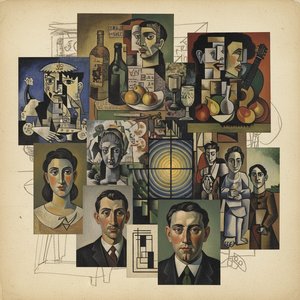
Explore 10 Cubist masterpieces by Picasso, Braque & more! Delve into the history of this revolutionary art movement. Find museum-quality reproductions and elevate your home decor with Most-Famous-Paintings. Discover all masterpieces on Most-Famous-Paintings.com

Immerse yourself in the captivating world of slate blue! Explore 10 iconic paintings by Monet, Van Gogh & Renoir. Discover their stories, techniques & find museum-quality art reproductions for your home at .

Explore 10 revolutionary Cubist portraits by Picasso, Braque & more! Discover the stories behind these iconic paintings and how they shaped modern art. Find museum-quality reproductions to elevate your home decor on Most-Famous-Paintings.com.

Explore 10 Cubist masterpieces by Picasso, Braque & more! Discover the stories behind these revolutionary paintings and their impact on modern art. Find museum-quality reproductions for your home at Most-Famous-Paintings.com – where art comes to life.
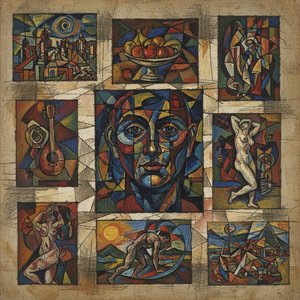
Explore 10 defining Cubist Expressionism masterpieces by Picasso, Braque & more. Discover the stories behind these bold, geometric paintings and bring museum-quality art to your home with Most-Famous-Paintings.com. Explore the full collection online.


Budite u tijeku s najnovijim umjetničkim vijestima, ekskluzivnim ponudama i idejama za dekoraciju.
Recite nam nešto o svom projektu, a naši će stručnjaci za umjetnost pripremiti 3 personalizirana prijedloga umjetnina.
Dopustite nam da odaberemo 3 opcije samo za Vas – Besplatno!


 Pregledaj u stvarnoj veličini
 Pošalji
 Podijeli
 Detalji o umjetničkom djelu

 Preuzmi
 Slični predmeti
 Rentgenska snimka
 Automatska prezentacija
 Prikaži više







 Opcija stakla dostupna je samo za dimenzije manje od 110 cm


