x

 Acrylic On CanvasWallArtCubism
 1904
1904 116.0 x 73.0 cm
Giclée tisak muzejske kvalitete ili otisak na platnu uz brzu proizvodnju i fleksibilne opcije završne obrade. ( Kupi ručno naslikanu sliku Kupi digitalnu sliku)





























Odaberite jednu od naših unaprijed definiranih veličina koje odgovaraju izvornim proporcijama umjetničkog djela.

Možete unijeti vlastite dimenzije kako biste umjetničko djelo prilagodili specifičnom okviru ili prostoru. Ako odabrana veličina ne odgovara proporcijama izvornog rada, izrezat ćemo dio slike ili je proširiti pomoću ogledalnog efekta ili jednobojne rubne površine. Digitalni prikaz (mockup) bit će vam poslan na odobrenje prije početka proizvodnje.
Imajte na umu da pregled na zaslonu ne odražava stvarno izrezivanje ili proširivanje. Samo će mockup točno prikazati konačnu kompoziciju.
Iako su dostupne prilagođene veličine, preporučujemo odabir dimenzije iz unaprijed definirane liste kako biste očuvali izvorne proporcije.
Dostava širom svijeta () u roku od 2 tjedna umjesto standardnih 4/5 tjedana. (20 Kolovoz)


The ironer
Veličina reprodukcije
Pablo Picasso's "The Ironer," painted in 1904 during his formative Blue Period, stands as a poignant emblem of Expressionism—a movement dedicated to conveying raw emotion and psychological truth rather than merely representing reality. Measuring 116.2 by 73 cm, this genre painting transcends the commonplace act of ironing clothes, transforming it into a profound meditation on loneliness, hardship, and the quiet desperation inherent in everyday life.
Picasso’s artistic journey during this period was profoundly shaped by diverse influences. The burgeoning Catalan modernism scene in Barcelona provided him with a visual vocabulary rooted in bold color palettes and geometric forms—a departure from the academic conventions of his time. Simultaneously, he absorbed elements of Post-Impressionist painters like Vincent van Gogh and Paul Cézanne, particularly their exploration of tonal harmonies and simplified brushstrokes. These influences coalesced to forge Picasso’s distinctive style, characterized by a deliberate rejection of photographic realism.
The painting's composition is strikingly simple yet powerfully effective. Picasso centers his gaze on the figure of a woman bent over an ironing board—a deliberately unremarkable subject elevated to symbolic significance through masterful technique. The muted palette of blues and grays dominates, mirroring the pervasive gloom of the Blue Period and evoking a palpable sense of solitude. Picasso employs loose, expressive brushstrokes – impasto – creating visible texture across the canvas, particularly in areas around the woman’s torso and hands. This textural richness contributes to the painting's emotional depth.
Adding another layer of intrigue is the discovery that an infrared camera examination conducted in 1989 revealed a hidden portrait beneath “The Ironer.” This serendipitous revelation illuminates Picasso’s creative process—his habit of reusing canvases and experimenting with layering techniques. The presence of this concealed image suggests that Picasso wasn't merely documenting a scene; he was actively constructing it, embedding within its surface multiple narratives and inviting contemplation about the artist’s intentions.
"The Ironer" cemented Picasso’s position as a pioneer of Expressionism and served as an undeniable precursor to Cubism. Its rejection of traditional perspective and its fragmentation of form foreshadowed the revolutionary aesthetic championed by Georges Braque and Picasso themselves. Furthermore, the painting’s exploration of psychological states resonated with subsequent movements like Futurism and Abstract Expressionism, demonstrating Picasso's enduring impact on the trajectory of 20th-century art.


1881 - 1973 , Španjolska
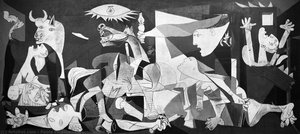
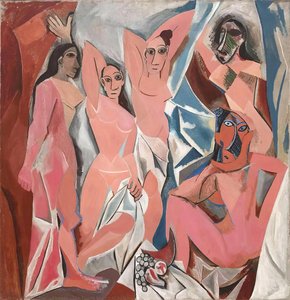
Istražite 25 remek-djela Pabla Picassa – od 'Guernice' do ranih kubističkih radova. Otkrijte priče, tehnike i inspiraciju iza ovih ikoničnih umjetnina. Kupite vrhunske reprodukcije slika na Most-Famous-Paintings.com!

Immerse yourself in the captivating world of slate blue! Explore 10 iconic paintings by Monet, Van Gogh & Renoir. Discover their stories, techniques & find museum-quality art reproductions for your home at .
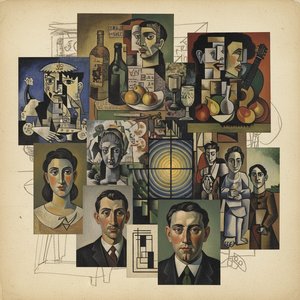
Explore 10 Cubist masterpieces by Picasso, Braque & more! Delve into the history of this revolutionary art movement. Find museum-quality reproductions and elevate your home decor with Most-Famous-Paintings. Discover all masterpieces on Most-Famous-Paintings.com

Explore 10 revolutionary Cubist portraits by Picasso, Braque & more! Discover the stories behind these iconic paintings and how they shaped modern art. Find museum-quality reproductions to elevate your home decor on Most-Famous-Paintings.com.

Explore 10 Cubist masterpieces by Picasso, Braque & more! Discover the stories behind these revolutionary paintings and their impact on modern art. Find museum-quality reproductions for your home at Most-Famous-Paintings.com – where art comes to life.


Budite u tijeku s najnovijim umjetničkim vijestima, ekskluzivnim ponudama i idejama za dekoraciju.
Recite nam nešto o svom projektu, a naši će stručnjaci za umjetnost pripremiti 3 personalizirana prijedloga umjetnina.
Dopustite nam da odaberemo 3 opcije samo za Vas – Besplatno!


 Pregledaj u stvarnoj veličini
 Pošalji
 Podijeli
 Detalji o umjetničkom djelu

 Preuzmi
 Slični predmeti
 Rentgenska snimka
 Automatska prezentacija
 Prikaži više







 Opcija stakla dostupna je samo za dimenzije manje od 110 cm