x

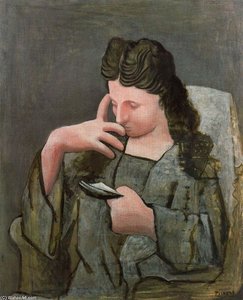
 Acrylic On CanvasWallArtCubist Style
 1919Modern
 28.0 x 26.0 cm
Kupite digitalnu sliku visoke rezolucije i poboljšane kvalitete, koja je znatno superiornija od online prikaza.
Svaka datoteka pedantno je pripremljena od strane naših internih stručnjaka koristeći napredne alate i vještinsku ručnu retušu. Osiguravamo da svaka slika ima iznimnu jasnoću, preciznu točnost boja i visoku razinu detalja.
Konačna datoteka dostavlja se putem e-pošte u roku od 72 sata, optimizirana za neposrednu upotrebu u profesionalnim, uredničkim i tiskarskim okruženjima. To je ista kvaliteta kojoj vjeruju vrhunski studiji dizajna, izdavači i galerije.
Preuzmite datoteku visoke rezolucije za osobnu izložbu, tisak i kreativne projekte. ( Kupi print Kupi ručno naslikanu sliku)
Odabirom Most-Famous-Paintings.com ne dobivate samo sliku – dobivate profesionalno unapređeno digitalno umjetničko djelo, izrađeno s najvećom preciznošću uz jamstvo zadovoljstva. Evo svega što automatski dolazi uz vašu narudžbu:

Vaša digitalna slika visoke rezolucije bit će vam poslana e-mailom u roku od 72 sata od narudžbe – spremna za neposrednu upotrebu.

Vaše umjetničko djelo profesionalno je optimizirano pomoću naprednih AI alata i ručnog uređivanja, čime se osigurava maksimalna razina detalja, oštrine i točnosti boja.

Slučajno ste obrisali ili izgubili svoju datoteku? Ne brinite – ponovno ćemo vam je poslati u bilo kojem trenutku, potpuno besplatno.

Uživajte u svojim umjetničkim djelima trenutno, bez carina, pristojbi ili troškova dostave – digitalne datoteke uvijek su oslobođene poreza.

Uz pomoć profesionalnih alata i upravljanja bojama, osiguravamo da vaša digitalna slika što vjernije odražava izvorne boje.

Ako niste zadovoljni svojom digitalnom slikom, revidirat ćemo je ili vratiti 100% novca u roku od 60 dana – bez ikakvih pitanja.

Niste zadovoljni? Osigurajte puni povrat novca u roku od 60 dana od primitka vaše digitalne datoteke – bez suvišnih pitanja.

Kupite 3 slike, uštedite 10% - Kupite 5 slika, uštedite 15% - Kupite 10+ slika, uštedite 20%. Odlično za kreativne projekte, galerije i agencije.
Pablo Picasso's "Tricorne (study)," created in 1919, offers an intimate look into the creative process of a master. This delicate pencil drawing, measuring just 28 x 26 cm, isn’t a finished work intended for grand display; rather, it is a preparatory sketch brimming with energy and anticipation. It serves as a vital stepping stone towards Picasso's larger involvement in the world of ballet, specifically his designs for Sergei Diaghilev’s Ballets Russes production of Manuel de Falla’s “El sombrero de tres picos” – or "The Three-Cornered Hat." The drawing reveals Picasso grappling with composition and character, distilling a vibrant theatrical vision onto paper with remarkable economy.
To understand the significance of this study, one must consider its context. Following World War I, Picasso found himself increasingly drawn to stage design, collaborating with Diaghilev, a visionary impresario known for pushing artistic boundaries. The Ballets Russes were renowned for their innovative choreography and lavish productions, and Picasso’s involvement brought a revolutionary aesthetic to the company. “Tricorne” wasn't simply about illustrating a story; it was an opportunity to reimagine Spanish culture through a Cubist lens. The sketch depicts figures – both human and equine – clustered around what appears to be a central platform or table within an architectural space defined by arches. The composition, while employing perspective, isn’t rigidly adhered to, creating a slightly flattened effect that hints at the stylized world Picasso was building for the ballet. This deliberate distortion is characteristic of his evolving style, moving beyond strict Cubist fragmentation towards a more fluid and expressive form.
The power of “Tricorne (study)” lies not in color, but in its masterful use of line and tone. Executed entirely in black and white, Picasso relies on variations in line weight – from bold outlines to delicate shading – to define form and create a sense of depth. The technique is reminiscent of his earlier sketches, yet infused with the burgeoning stylistic innovations that would come to define his mature work. The absence of color forces the viewer to focus on the essential elements: gesture, composition, and the interplay of light and shadow implied through dense line work. This study isn’t about replicating reality; it's about capturing an *impression* – a fleeting moment of energy and drama poised to burst forth onto the stage. The simplified forms and expressive lines speak volumes, conveying a sense of movement and anticipation that transcends the limitations of monochrome.
While abstract in its execution, “Tricorne (study)” is deeply rooted in Spanish culture. The ballet itself draws inspiration from a 17th-century Spanish novel, and Picasso’s designs aimed to evoke the spirit of Andalusia – its vibrant traditions, passionate characters, and sun-drenched landscapes. The presence of horses within the sketch alludes to the importance of equestrianism in Spanish life and folklore. The figures gathered around the central platform suggest a social gathering, perhaps a celebration or a dramatic confrontation. Though the narrative remains ambiguous, the drawing hints at themes of love, rivalry, and the complexities of human relationships. This study is more than just a technical exercise; it’s an exploration of national identity and artistic expression, filtered through the unique vision of one of the 20th century's most influential artists.


1881 - 1973 , Španjolska


Budite u tijeku s najnovijim umjetničkim vijestima, ekskluzivnim ponudama i idejama za dekoraciju.
Recite nam nešto o svom projektu, a naši će stručnjaci za umjetnost pripremiti 3 personalizirana prijedloga umjetnina.
Dopustite nam da odaberemo 3 opcije samo za Vas – Besplatno!


 Pregledaj u stvarnoj veličini
 Pošalji
 Podijeli
 Detalji o umjetničkom djelu

 Preuzmi
 Slični predmeti
 Rentgenska snimka
 Automatska prezentacija
 Prikaži više