x

 Preview
 Kupi otisak Kupi digitalnu sliku
 Pošalji
 Detalji o umjetničkom djelu
 Dodaj u omiljene
 Preuzmi
 Slični predmeti
 Rentgenska snimka
 Automatska prezentacija
 Ulje na platnuZidna umjetnostPost-Impressionist Style
 187719. stoljeće
 65.0 x 81.0 cm
 Museum of Fine Arts
Ručno oslikano uljanim bojama na platnu u dimenzijama i okviru po vašem izboru, izrađeno po narudžbi od strane naših umjetnika.





























Odaberite jednu od naših unaprijed definiranih veličina koje odgovaraju izvornim proporcijama umjetničkog djela.

Možete unijeti vlastite dimenzije kako bi odgovarale određenom okviru ili prostoru. Ako odabrana veličina ne odgovara proporcijama izvorne slike, izrezat ćemo umjetničko djelo ili proširiti sliku dodatnim ručno oslikanim elementima. Digitalni nacrt bit će vam poslan na odobrenje prije početka proizvodnje.
Imajte na umu da pregled na ekranu ne prikazuje stvarno izrezivanje ili proširivanje. Samo će nacrt točno prikazati konačni sastav.
Iako su dostupne prilagođene veličine, preporučujemo odabir dimenzije s preddefiniranog popisa kako bismo očuvali izvorne proporcije.
Isporuka širom svijeta () u roku od 3-4 tjedna umjesto standardnih 5 tjedana. (25 Srpanj). Bez kompromisa u kvaliteti.


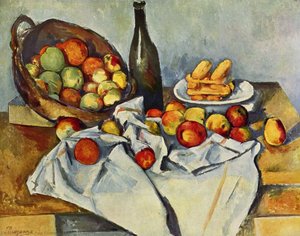
The Buffet
Veličina reprodukcije
In the quietude of Paul Cézanne's "The Buffet," painted in 1877, we encounter far more than a mere arrangement of fruit and tableware. This masterpiece serves as a profound testament to a pivotal moment in art history, where the fleeting light of Impressionism began to coalesce into something much more structural and enduring. At first glance, the canvas presents a humble scene: a table laden with oranges, a bottle of wine, and delicate cups set against the domestic backdrop of dining chairs. Yet, beneath this deceptive simplicity lies a defiant assertion that the most commonplace objects can hold immense intellectual and aesthetic weight. For the discerning collector or interior designer, this work offers a sophisticated anchor, bringing a sense of timeless stability and intellectual depth to any curated space.
Cézanne’s journey during this period was one of intense metamorphosis. While he initially drew inspiration from the vibrant, ephemeral palettes of his contemporaries like Monet and Renog, he found himself yearning for a more permanent truth. In "The Buffet," we see the early tremors of his departure from pure Impressionism. Rather than merely capturing the optical sensation of light hitting a surface, Cézanne began to prioritize the sculptural quality of form. He utilized bolder brushstrokes and a deliberate flattening of perspective, techniques that would eventually pave the way for the radical fragmentation of Cubism. This approach transforms the still life into a study of volume and weight, inviting the viewer to appreciate the physical presence of each object.
Every element within this composition has been meticulously placed to achieve a state of visual equilibrium. The oranges, a recurring motif throughout Cézanne's celebrated oeuvre, act as vibrant beacons of color that symbolize fertility, abundance, and the artist's own burgeoning aspirations for success. They provide a rhythmic pulse to the painting, drawing the eye across the tabletop. Beside them, the wine bottle serves as a subtle nod to his camaraderie with the Impressionist circle, representing both a connection to his artistic roots and a symbol of the shared culture of French life. The careful arrangement of the cups and the central bowl creates a sense of architectural stability, a deliberate contrast to the more fluid and unstructured compositions of his peers.
For those seeking to integrate fine art into a modern interior, "The Buffet" offers an unparalleled emotional impact. It possesses a unique ability to command attention through its quiet strength rather than through loud or chaotic imagery. The painting evokes a sense of calm, groundedness, and contemplative luxury. Whether placed in a sunlit breakfast nook or as a focal point in a formal dining room, a high-quality reproduction of this work brings with it the prestige of the Post-Impressionist movement. It is an invitation to slow down, to observe the beauty in the mundane, and to appreciate the enduring power of structured, thoughtful composition.


1839 - 1906 , Francuska
Uronite u svijet Paula Cézanna! Otkrijte 25 remek-djela impresionizma i postimpresionizma. Saznajte priče iza slika, tehnike i inspiracije ovog francuskog umjetnika. Reprodukcije vrhunske kvalitete dostupne na Most-Famous-Paintings.com

Uronite u svijet Claude Moneta s 25 najpoznatijih remek-djela impresionizma. Otkrijte priče iza slika, tehnike i inspiraciju ovog francuskog umjetnika. Kupite visokokvalitetne reprodukcije na Most-Famous-Paintings.com i uljepšajte svoj dom!

Explore the rich history of still life painting with Most-Famous-Paintings. Discover Dutch Masters, decode vanitas symbolism & learn about collecting timeless art. Expert insights and museum-quality reproductions.

Otkrijte povijest i simboliku mrtve prirode te kako reprodukcije umjetnina transformiraju vile u luksuzne prostore. Kvalitetne slike, personalizacija & stručni savjeti na Most-Famous-Paintings.com!
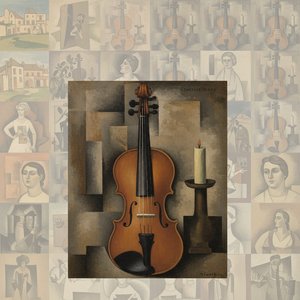
Uronite u svijet Georges Braquea! Otkrijte 25 remek-djela kubizma i moderne umjetnosti. Saznajte priče iza slika, tehnike i inspiraciju ovog francuskog slikara. Kupite reprodukcije vrhunske kvalitete za vaš dom na Most-Famous-Paintings.com


Budite u tijeku s najnovijim umjetničkim vijestima, ekskluzivnim ponudama i idejama za dekoraciju.
Recite nam nešto o svom projektu, a naši će stručnjaci za umjetnost pripremiti 3 personalizirana prijedloga umjetnina.
Dopustite nam da odaberemo 3 opcije samo za Vas – Besplatno!


 Podijeli

 Prikaži više







 Opcija stakla dostupna je samo za dimenzije manje od 110 cm