x

Ručno oslikano uljanim bojama na platnu u dimenzijama i okviru po vašem izboru, izrađeno po narudžbi od strane naših umjetnika. ( Kupi print Kupi digitalnu sliku)





























Odaberite jednu od naših unaprijed definiranih veličina koje odgovaraju izvornim proporcijama umjetničkog djela.

Možete unijeti vlastite dimenzije kako bi odgovarale određenom okviru ili prostoru. Ako odabrana veličina ne odgovara proporcijama izvorne slike, izrezat ćemo umjetničko djelo ili proširiti sliku dodatnim ručno oslikanim elementima. Digitalni nacrt bit će vam poslan na odobrenje prije početka proizvodnje.
Imajte na umu da pregled na ekranu ne prikazuje stvarno izrezivanje ili proširivanje. Samo će nacrt točno prikazati konačni sastav.
Iako su dostupne prilagođene veličine, preporučujemo odabir dimenzije s preddefiniranog popisa kako bismo očuvali izvorne proporcije.
Isporuka širom svijeta () u roku od 3-4 tjedna umjesto standardnih 5 tjedana. (19 Kolovoz). Bez kompromisa u kvaliteti.


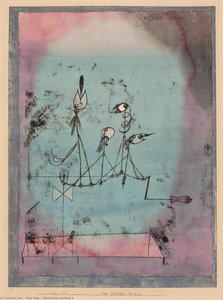
Everything runs after something
Veličina reprodukcije
Paul Klee's “Everything Runs After Something” isn’t merely a drawing; it’s a distilled essence of artistic impulse, a visual meditation on the elusive origins of creativity itself. Executed in stark monochrome—primarily shades of gray—the artwork embodies Klee’s signature style: naive art, or primitive art – a deliberate rejection of academic conventions favoring simplicity, distortion, and an intuitive engagement with form.
Born in Münchenbuchsee, Switzerland, in 1879, Paul Klee’s artistic trajectory was profoundly shaped by his upbringing amidst musical influences. His father, a music teacher, instilled in him an acute sensitivity to harmonic relationships—a connection that would permeate his visual vocabulary. This early exposure to music informed Klee's compositional approach and underpinned his belief that art could communicate emotion akin to musical arrangement.
Klee’s artistic journey was marked by experimentation with diverse mediums, including watercolor, gouache, lithography, and collage—a testament to his unwavering pursuit of innovation. He embraced the Bauhaus aesthetic, collaborating with Josef Albers and László Moholy-Nagy on groundbreaking projects that explored the interplay between color and form.
“Everything Runs After Something” speaks to a deeper philosophical concern: the notion that creativity originates from forces beyond conscious awareness. As Klee himself articulated, “My hand has become the obedient instrument of a remote will.” This statement encapsulates the artist’s conviction that artistic expression transcends rational thought—tapping into an unconscious reservoir of inspiration.
The artwork's subdued palette and simplified forms evoke feelings of melancholy and introspection. It invites viewers to contemplate the mysteries of existence, mirroring Klee’s own lifelong quest for spiritual understanding. Zentrum Paul Klee in Bern houses the world’s largest collection of Klee’s artworks—a pilgrimage for anyone interested in experiencing the profound beauty of this singular artistic vision.

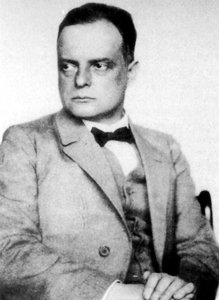
1879 - 1940 , Švicarska

Explore the profound artistry of black and white photography. From the chemistry of gelatin silver to the chiaroscuro of the Old Masters, discover how monochrome captures the eternal essence of light, form, and emotion for the discerning art collector.


Budite u tijeku s najnovijim umjetničkim vijestima, ekskluzivnim ponudama i idejama za dekoraciju.
Recite nam nešto o svom projektu, a naši će stručnjaci za umjetnost pripremiti 3 personalizirana prijedloga umjetnina.
Dopustite nam da odaberemo 3 opcije samo za Vas – Besplatno!


 Pregledaj u stvarnoj veličini
 Pošalji
 Podijeli
 Detalji o umjetničkom djelu

 Preuzmi
 Slični predmeti
 Rentgenska snimka
 Automatska prezentacija
 Prikaži više







 Opcija stakla dostupna je samo za dimenzije manje od 110 cm