x

Giclée tisak muzejske kvalitete ili otisak na platnu uz brzu proizvodnju i fleksibilne opcije završne obrade. ( Kupi ručno naslikanu sliku Kupi digitalnu sliku)





























Odaberite jednu od naših unaprijed definiranih veličina koje odgovaraju izvornim proporcijama umjetničkog djela.

Možete unijeti vlastite dimenzije kako biste umjetničko djelo prilagodili specifičnom okviru ili prostoru. Ako odabrana veličina ne odgovara proporcijama izvornog rada, izrezat ćemo dio slike ili je proširiti pomoću ogledalnog efekta ili jednobojne rubne površine. Digitalni prikaz (mockup) bit će vam poslan na odobrenje prije početka proizvodnje.
Imajte na umu da pregled na zaslonu ne odražava stvarno izrezivanje ili proširivanje. Samo će mockup točno prikazati konačnu kompoziciju.
Iako su dostupne prilagođene veličine, preporučujemo odabir dimenzije iz unaprijed definirane liste kako biste očuvali izvorne proporcije.
Dostava širom svijeta () u roku od 2 tjedna umjesto standardnih 4/5 tjedana. (18 Kolovoz)


Temple Gardens
Veličina reprodukcije
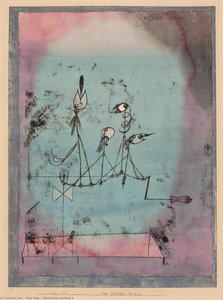
Paul Klee's “Three Panels,” painted circa 1920, isn’t merely a collection of landscapes; it’s a carefully constructed meditation on perception, memory, and the fractured nature of experience. Emerging from the fertile artistic ground of early 20th-century Switzerland – a period marked by both fervent experimentation and a deep connection to folklore – Klee sought to move beyond representational accuracy and delve into the subjective realm of emotion. The painting’s genesis lies in his fascination with musical composition, believing that visual art could mirror the structure and harmony found within sound. This influence is immediately apparent in the deliberate layering of color and form, creating a dynamic tension between the individual panels.
Klee’s technique is characterized by its meticulous layering of thin washes of color, applied with a delicate touch. He employed a method he termed “gouache,” a water-based opaque paint that allowed for subtle gradations and the creation of luminous effects. The brushstrokes are rarely visible, contributing to the painting's ethereal quality. Notice how he builds up color in thin glazes, creating an almost stained-glass effect within each panel. This technique wasn’t simply about visual beauty; it was a deliberate attempt to capture the fleeting nature of light and shadow, mirroring the ephemeral qualities of memory.
Key Techniques:“Three Panels” resonates deeply with the intellectual currents of its time – the rise of Surrealism, the exploration of the unconscious mind, and the growing interest in folklore and mythology. The fragmented composition reflects a broader cultural anxiety about the loss of traditional values and the disorientation brought on by rapid social change. The recurring motifs—the tree, the building, the mountains—are archetypal symbols that tap into universal human experiences. Klee’s use of these elements suggests a desire to find meaning in a world increasingly defined by uncertainty.
Ultimately, “Three Panels” is a profoundly moving work that invites the viewer to engage in a personal dialogue with its imagery. The painting's emotional impact stems from Klee’s masterful manipulation of color and form, creating a sense of both tranquility and unease. It stands as a testament to his innovative approach to art-making and his ability to capture the complexities of human experience. Today, reproductions of “Three Panels” continue to inspire artists and collectors alike, offering a glimpse into the visionary world of one of 20th century’s most influential figures.

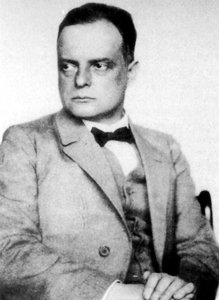
1879 - 1940 , Švicarska
Explore the profound emotional depth of Lyrical Abstraction. Discover how masters like Raymond Parker used color and form to bridge Impressionism and Abstract Expressionism. Learn about this pivotal movement through our expert-led art history guide.

Explore the profound emotional depth of Color Field painting. Discover the history of mid-century abstraction, from Rothko to Newman, and learn how pure color transforms the viewer's experience through our expert art history guide.

Explore the profound history and emotional depth of Abstract Expressionism. From Jackson Pollock to Mark Rothko, master the nuances of the New York School through our expert art history guide. Discover museum-quality hand-painted reproductions for your collection.


Budite u tijeku s najnovijim umjetničkim vijestima, ekskluzivnim ponudama i idejama za dekoraciju.
Recite nam nešto o svom projektu, a naši će stručnjaci za umjetnost pripremiti 3 personalizirana prijedloga umjetnina.
Dopustite nam da odaberemo 3 opcije samo za Vas – Besplatno!


 Pregledaj u stvarnoj veličini
 Pošalji
 Podijeli
 Detalji o umjetničkom djelu

 Preuzmi
 Slični predmeti
 Rentgenska snimka
 Automatska prezentacija

 Prikaži više







 Opcija stakla dostupna je samo za dimenzije manje od 110 cm