


x

 50.0 x 43.0 cm
 Doncaster Museum And Art Gallery
Giclée tisak muzejske kvalitete ili otisak na platnu uz brzu proizvodnju i fleksibilne opcije završne obrade. ( Kupi ručno naslikanu sliku Kupi digitalnu sliku)
Odaberite jednu od naših unaprijed definiranih veličina koje odgovaraju izvornim proporcijama umjetničkog djela.

Možete unijeti vlastite dimenzije kako biste umjetničko djelo prilagodili specifičnom okviru ili prostoru. Ako odabrana veličina ne odgovara proporcijama izvornog rada, izrezat ćemo dio slike ili je proširiti pomoću ogledalnog efekta ili jednobojne rubne površine. Digitalni prikaz (mockup) bit će vam poslan na odobrenje prije početka proizvodnje.
Imajte na umu da pregled na zaslonu ne odražava stvarno izrezivanje ili proširivanje. Samo će mockup točno prikazati konačnu kompoziciju.
Iako su dostupne prilagođene veličine, preporučujemo odabir dimenzije iz unaprijed definirane liste kako biste očuvali izvorne proporcije.
Dostava širom svijeta () u roku od 2 tjedna umjesto standardnih 4/5 tjedana. (18 Kolovoz)


Romance
Veličina reprodukcije

Born in Allegheny City, Pennsylvania – now part of Pittsburgh – in 1844, Mary Stevenson Cassatt was a remarkably independent and influential figure in the late 19th-century art world. Her life story is one of transatlantic journeys, artistic mentorships, and a profound dedication to capturing the intimate realities of women’s lives, particularly within the context of family and domesticity. Unlike many female artists of her era, Cassatt wasn't initially groomed for a career in painting; her father, Robert Simpson Cassat, a successful stockbroker, envisioned a more conventional path for his daughter. However, fueled by an innate artistic sensibility and supported by her equally financially secure mother, Katherine Kelso Johnston, she pursued her passion, ultimately forging her own distinctive voice within the burgeoning Impressionist movement.
Cassatt’s early training was initially rooted in academic traditions. She studied at the Pennsylvania Academy of the Fine Arts, a common starting point for aspiring American artists. However, it was her relocation to Paris in 1865 that proved transformative. There, she immersed herself in the vibrant artistic community, taking private lessons from established masters like Jean-Léon Gérôme and diligently copying works by Old Masters such as Correggio and Parmigianino. This period of intensive study laid the groundwork for her later stylistic developments, particularly her meticulous attention to detail and her ability to render fabrics with remarkable realism.
Unlike many of her male contemporaries who frequently depicted historical or mythological scenes, Cassatt’s work centered almost exclusively on the lives of women – mothers, children, nurses, and domestic servants. She wasn't interested in grand narratives; instead, she meticulously observed and portrayed the quiet moments of everyday existence within the confines of the home. Her paintings are imbued with a sense of intimacy and empathy, offering poignant glimpses into the emotional landscape of her subjects.
Her most celebrated series, “Little Girls,” captures the tender bond between mothers and children. These works, rendered in soft pastels and delicate brushstrokes, are characterized by their psychological depth and subtle expressions of affection. Similarly, her depictions of nurses attending to sick children reveal a compassionate understanding of human vulnerability. Cassatt’s choice of subject matter was not merely aesthetic; it reflected her belief that women's experiences were worthy of artistic representation and that the domestic sphere held profound significance.
Notably, she often depicted these scenes from a slightly elevated perspective, subtly shifting the viewer’s position to one of observation – mirroring the role of the artist as a witness to private moments.Cassatt's artistic style evolved significantly throughout her career. Initially influenced by academic traditions, she gradually embraced the Impressionist principles of *plein air* painting, broken brushstrokes, and an emphasis on capturing fleeting effects of light. She experimented with various media, including oil paint, pastels, and prints, each offering unique possibilities for expression.
Mary Stevenson Cassatt's contribution to the art world is multifaceted. As one of the few American artists associated with the Impressionist movement, she challenged conventional notions of artistic representation and paved the way for future generations of female painters. Her focus on domestic life and female subjects offered a fresh perspective on human experience, moving beyond traditional heroic narratives.
Her work continues to resonate today, admired for its emotional depth, technical skill, and insightful portrayal of women’s lives. She remains an important figure in the history of art, demonstrating the power of observation, empathy, and artistic innovation.
The Metropolitan Museum of Art in New York City holds a significant collection of Cassatt’s works, providing invaluable insights into her artistic development and creative vision. Their extensive holdings include paintings, pastels, prints, and drawings that showcase the breadth and depth of her oeuvre. The museum's essays on Cassatt offer a comprehensive overview of her life and career, solidifying her place as a pivotal figure in 19th-century art.
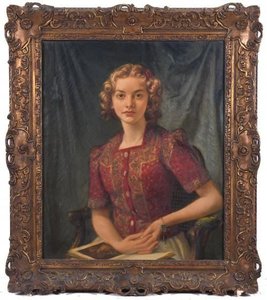
1926 - 2011 , Austria


Budite u tijeku s najnovijim umjetničkim vijestima, ekskluzivnim ponudama i idejama za dekoraciju.
Recite nam nešto o svom projektu, a naši će stručnjaci za umjetnost pripremiti 3 personalizirana prijedloga umjetnina.
Dopustite nam da odaberemo 3 opcije samo za Vas – Besplatno!


 Pregledaj u stvarnoj veličini
 Pošalji
 Podijeli
 Detalji o umjetničkom djelu

 Preuzmi
 Slični predmeti
 Rentgenska snimka
 Automatska prezentacija
 Prikaži više




































 Opcija stakla dostupna je samo za dimenzije manje od 110 cm


